Remembering the Influence of Sega in Console Wars
12 February 2026
If you loved video games back in the late '80s and early '90s, there’s no way you skipped the epic showdown between Sega and Nintendo—better known as the legendary Console Wars. It was more than just a rivalry over who had the better graphics, faster processors, or cooler characters. It was about identity, attitude, and shaking up an entire industry.
Let’s take a nostalgic journey back in time and break down Sega's unforgettable impact on the gaming world. From their bold marketing tactics to the birth of Sonic—yep, that blue blur—you’ll see why Sega earned its place in gaming history.
The Video Game Landscape Before Sega Took Over
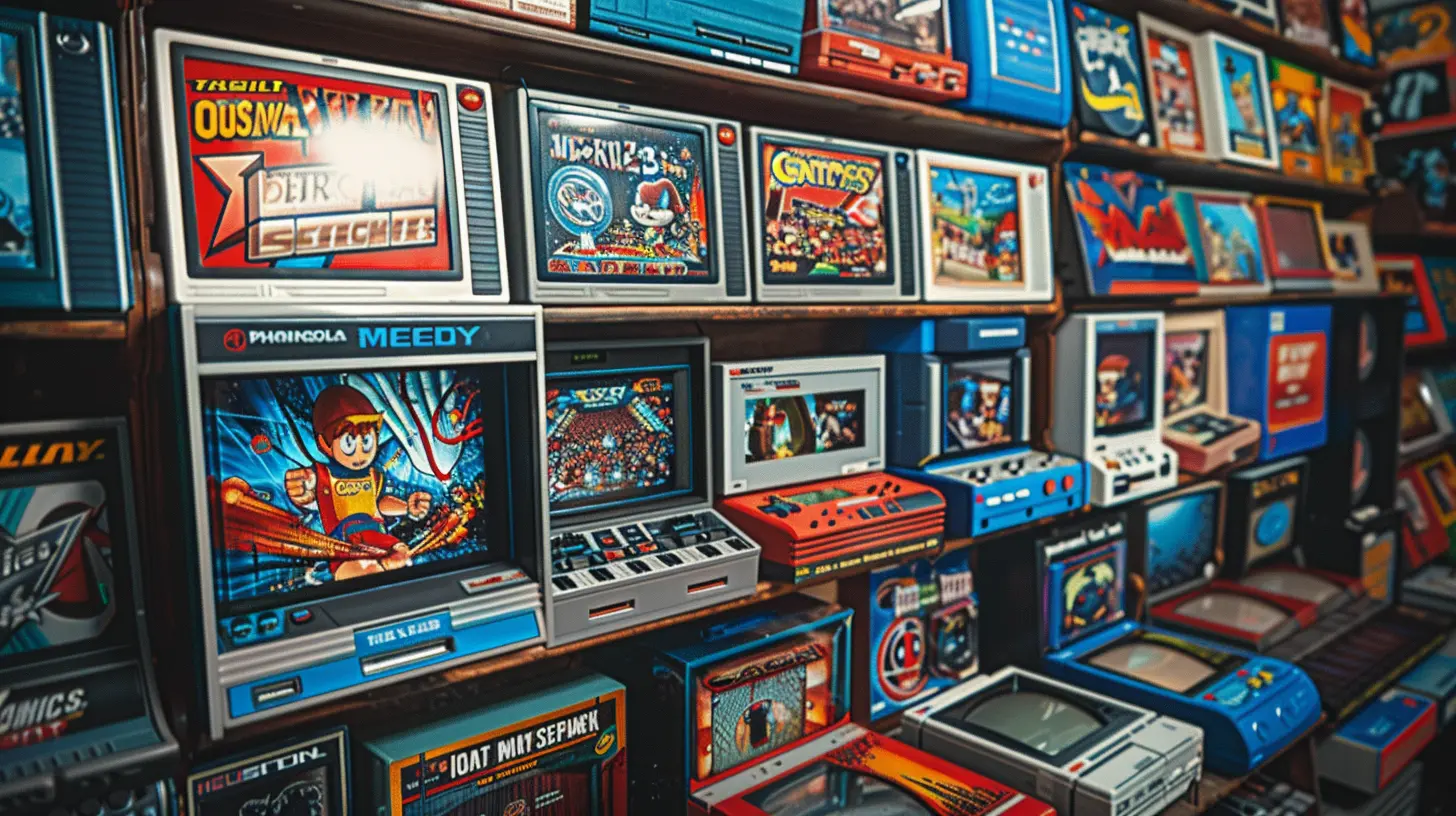
Before Sega got serious, Nintendo was running the show. Dominating the late '80s with the NES (Nintendo Entertainment System), Nintendo had a tight grip on the home console market. They controlled third-party game licensing and were the go-to choice for family-friendly gaming.But Sega? They saw an opportunity—and they weren’t afraid to ruffle some feathers.
Sega’s Entrance with the Master System
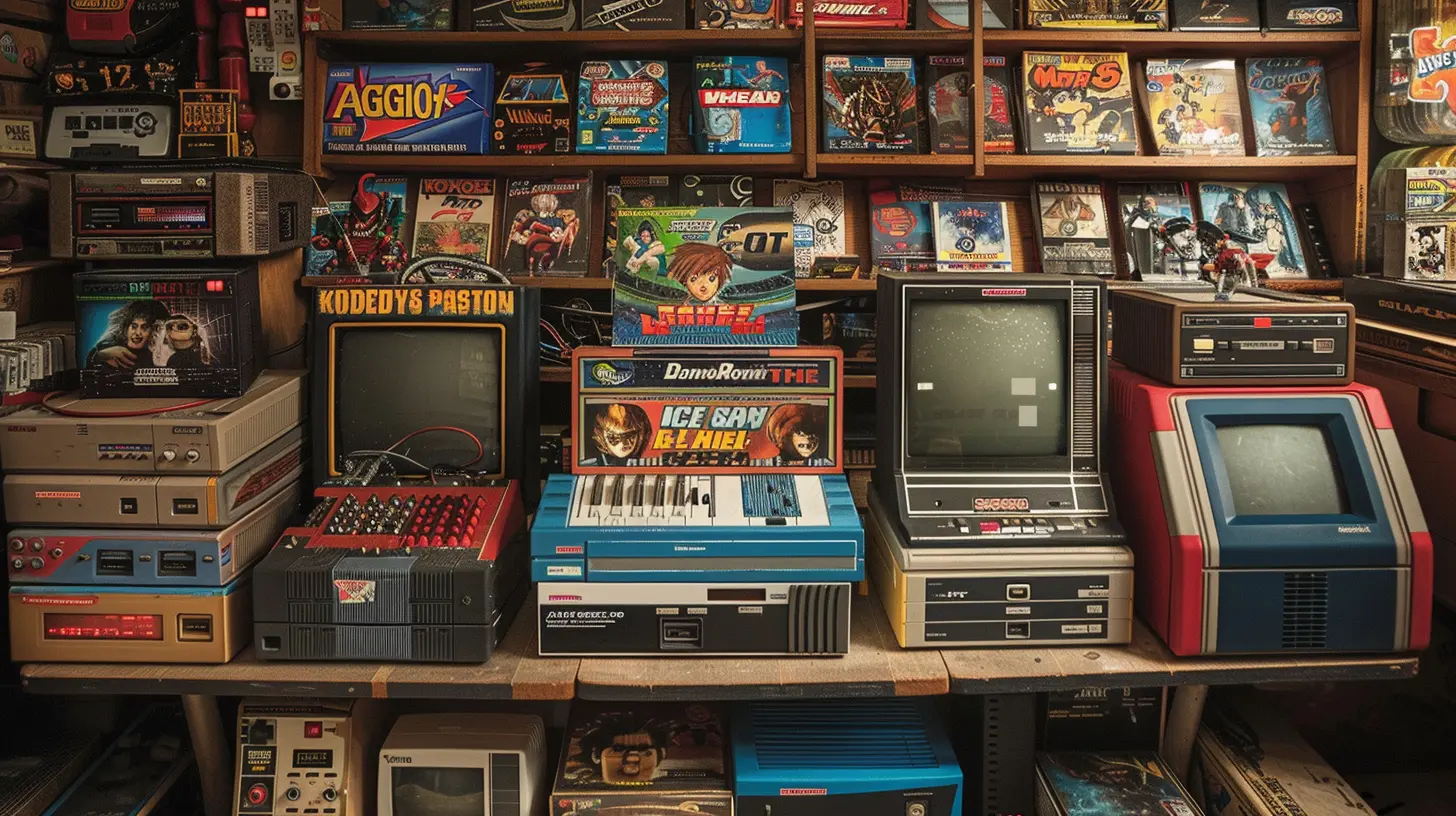
Sega’s first attempt to challenge Nintendo came with the Sega Master System. Technologically, it was more advanced than the NES. It had better graphics, a wider color palette, and smoother sprite animations. But despite all that, it struggled. Why?Because Nintendo had already locked down most of the third-party developers and retailers. Without big-name games and wide availability, the Master System didn’t exactly explode in popularity in the U.S., though it fared better in places like Europe and Brazil.
Still, Sega didn’t back down. And this is where things get interesting.
The Birth of the Sega Genesis – A Game-Changer
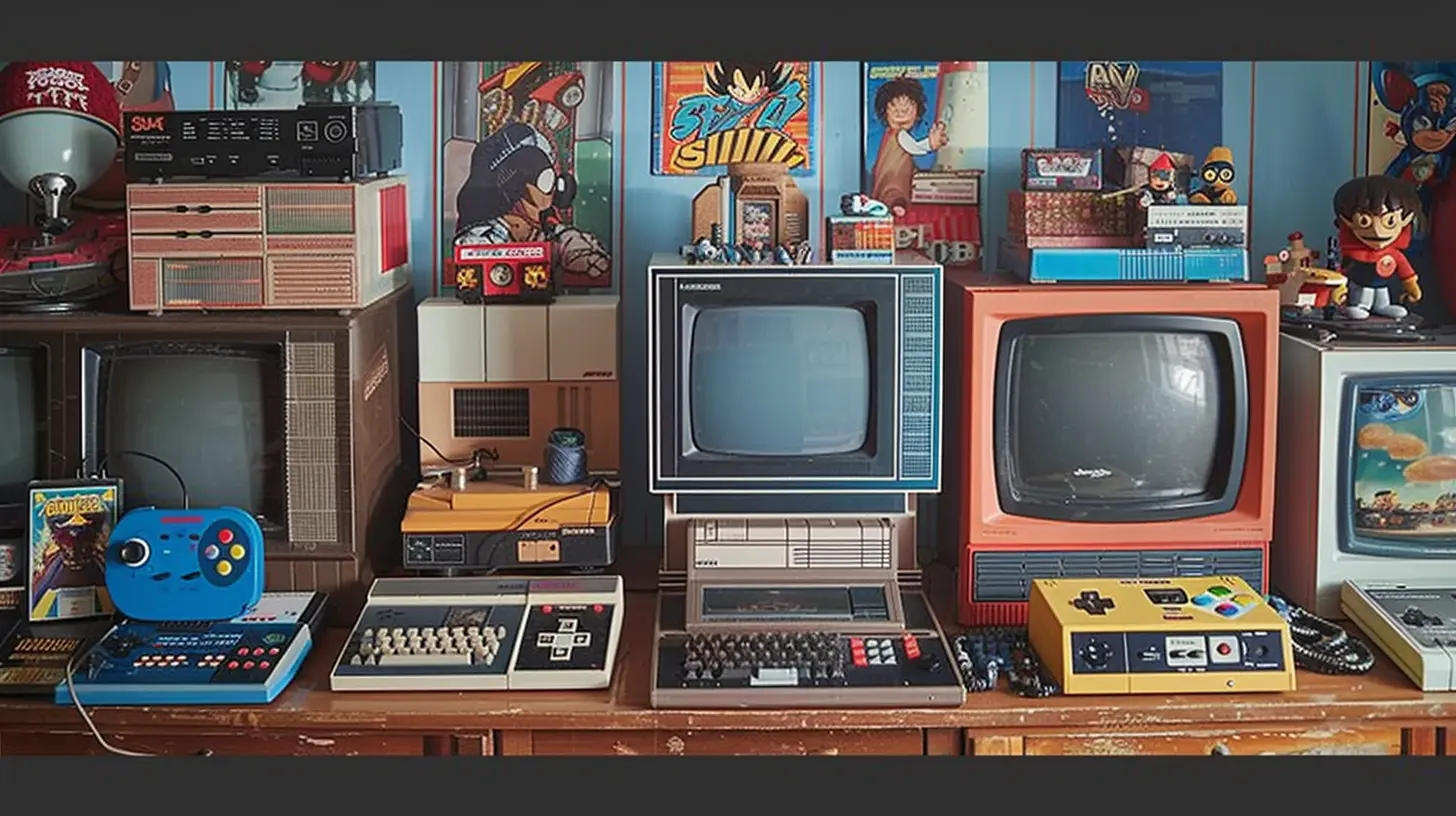
When Sega launched the Genesis in 1988 (Japan) and 1989 (North America), everything changed.This was Sega’s real power move. The Genesis, known as the Mega Drive outside North America, featured 16-bit graphics while Nintendo was still rocking 8-bit on their NES. Sega didn’t just rely on better hardware—they backed it up with marketing genius.
Remember that legendary slogan? “Genesis does what Nintendon’t.” Spicy, right?
Sega positioned itself as the cooler, edgier alternative. While Nintendo leaned into wholesome gaming, Sega went full rebel. They targeted older kids and teenagers, focusing on high-speed action, sports titles, and games with more attitude.
Enter Sonic: Sega’s Mascot With an Edge
Every console needed a mascot, and while Nintendo had Mario, Sega created Sonic the Hedgehog in 1991. But Sonic wasn’t just a character—he was a statement.Sonic was fast. He had attitude. He wasn’t waiting around to save a princess—he was dashing through levels like he drank five cans of cola. His debut made waves and quickly turned into Sega’s answer to Mario.
And let’s be real: Sonic kind of was the cooler pick for a while. His games were vibrant, speedy, addicting, and oozed style. Sonic 2, Sonic 3, and Sonic & Knuckles are still praised to this day.
Sega’s Aggressive Marketing: Throwing Punches at the Competition
Sega didn't just rely on great games—they went all-in with bold and aggressive marketing. Their commercials were cinematic, loud, and unafraid to take shots at the competition.Even their advertisements felt like street fights. Remember those side-by-side comparisons showing the Genesis running faster and looking sleeker than the NES or SNES? Sega was basically yelling, “We’re not here to play nice—we’re here to win.”
Their campaigns connected with a slightly older demographic, and it worked. By the early '90s, Sega managed to carve out roughly 50% of the console market in North America. That’s no small feat when you consider where they started.
Sega vs. Nintendo: The Console War in Full Swing
This is the era that defined the Console Wars.While Nintendo had franchises like Mario, Zelda, and Metroid, Sega fired back hard with Sonic, Streets of Rage, Golden Axe, and sports titles through their EA partnership. Sega didn’t play it safe; they embraced edgy themes, faster gameplay, and a louder personality.
Both companies constantly pushed the envelope. More power. More games. More innovation.
And you know what made it so fun? The fans. Kids on playgrounds arguing about which system was better. Sega kids vs. Nintendo kids. It was intense, passionate, and incredibly entertaining—even if your parents didn’t get why you cared so much.
Sega’s Innovation: Risk-Taking and Forward Thinking
Sega wasn’t afraid to experiment. In fact, you could argue they were too ahead of their time sometimes.They released the Sega CD and 32X as add-ons to the Genesis in the mid-90s. These aimed to push gaming into a multimedia future with full-motion video, advanced music, and smoother graphics. The tech was ambitious, but the execution? Eh, not so great.
Add-ons confused consumers and divided the player base. Still, you have to respect the vision. Sega was constantly trying to break barriers. They saw where games could go, even if they stumbled along the way.
The Sega Saturn: A Misstep Despite Innovation
When the Sega Saturn dropped in 1995, hopes were high. It had beautiful 2D rendering and cutting-edge hardware for its time. But again, Sega struggled with third-party support and a lack of standout titles at launch.On top of that, they made a surprise early release in the U.S.—which caught retailers and developers off guard. The PlayStation swooped in shortly after with a stronger, easier-to-develop-for console. And let’s face it, Sony spoke the same “cool” language Sega once did.
The Saturn never really recovered, and despite some great games like Nights into Dreams and Panzer Dragoon, it slowly faded into the background.
Sega Dreamcast: Innovation That Came Too Soon
Ah, the Dreamcast. If there ever was a console that deserved more love, it’s this one.Launched in 1999, the Dreamcast was way ahead of its time. We’re talking online play, a built-in modem, memory card with its own screen (VMU), and some of the most innovative titles you could find—Crazy Taxi, Shenmue, Jet Set Radio, and the unforgettable Soulcalibur.
Gamers loved it. Developers were intrigued. Things were finally looking up.
But then the PlayStation 2 arrived, and the hype was unstoppable. With DVD playback and the weight of Sony behind it, the Dreamcast couldn’t keep up. Sega, already bruised from previous failures, bowed out of the console business in 2001.
Sega’s Legacy in the Console Wars
So, what’s Sega’s place in gaming history now?They may have exited the console battlefield, but their influence still resonates. They pushed their rivals to innovate, set new standards in marketing, and gave us unforgettable games and characters that we still adore today.
Plus, Sega’s spirit lives on in their software and licensing. Their IPs are still going strong, and classics continue to be re-released on modern platforms. Sonic remains a cultural icon, now starring in movies and new-generation games.
And let’s not forget—if Sega never challenged Nintendo so fiercely, would the gaming world be as exciting as it is today?
Lessons Learned from Sega’s Rise and Fall
Sega’s journey is a textbook case of innovation, risk, and passion. They weren’t afraid to take big swings, and even when they missed, they left a mark. There’s a reason people still talk about Sega with reverence and smile when they hear “Genesis does what Nintendon’t.”Sure, they stumbled with hardware choices and internal missteps. But they also taught us that being bold could shake an entire industry. They changed how games looked, sounded, and felt.
We’ve got a lot to thank Sega for. The Console Wars? They wouldn’t have been nearly as fun without them.
Final Thoughts: Why Sega Will Always Matter
Sega might not make consoles anymore, but they made history—and that can’t be erased. They revolutionized marketing, introduced iconic characters, and gave players games with style, speed, and soul.If you were there for the Console Wars, you know exactly what I mean. And if you weren’t? Well, now you’ve got a front-row seat to one of the most thrilling rivalries in gaming history.
So next time you see Sonic zip across your screen, or hear that iconic “SEGA!” intro jingle, just remember: this was the company bold enough to go head-to-head with the king—and almost dethroned them.
all images in this post were generated using AI tools
Category:
Gaming HistoryAuthor:

Madeleine McCaffrey
Discussion
rate this article
2 comments
Patricia Nelson
Ah, Sega—the legendary warrior in the Console Wars! They fought valiantly with blue hedgehogs, quirky aliens, and that one weird game involving a dancing cat. If only they had launched a console with a built-in coffee maker—now that’s innovation!
February 18, 2026 at 5:41 PM
Madeleine McCaffrey
Sega definitely pushed boundaries with its creativity. A coffee maker console would have been a game changer for sure!
Harley Vance
Sega's innovative spirit truly shaped the gaming landscape, leaving a lasting legacy. It's fascinating to reflect on how their bold moves during the console wars inspired future generations of gamers.
February 16, 2026 at 4:24 AM
Madeleine McCaffrey
Absolutely! Sega's daring innovations not only defined an era but also laid the groundwork for future gaming advancements. Their legacy continues to inspire.