How Survival Games Keep Evolving with Each Release
22 April 2026
Survival games. Those two words alone can make your heart race. Whether you’re fighting off a zombie horde, crafting a shelter in the dead of winter, or struggling to find clean water in a post-apocalyptic wasteland, these games offer a thrilling, immersive experience unlike any other. But here’s the real kicker — they don’t stay the same. They evolve. Constantly.
So what’s driving this change? Why is it that each new survival game feels fresher, deeper, and more complex than the last? Let’s dive into the wild world of survival games and see how they’ve grown over the years, and why players like you and me just can’t get enough.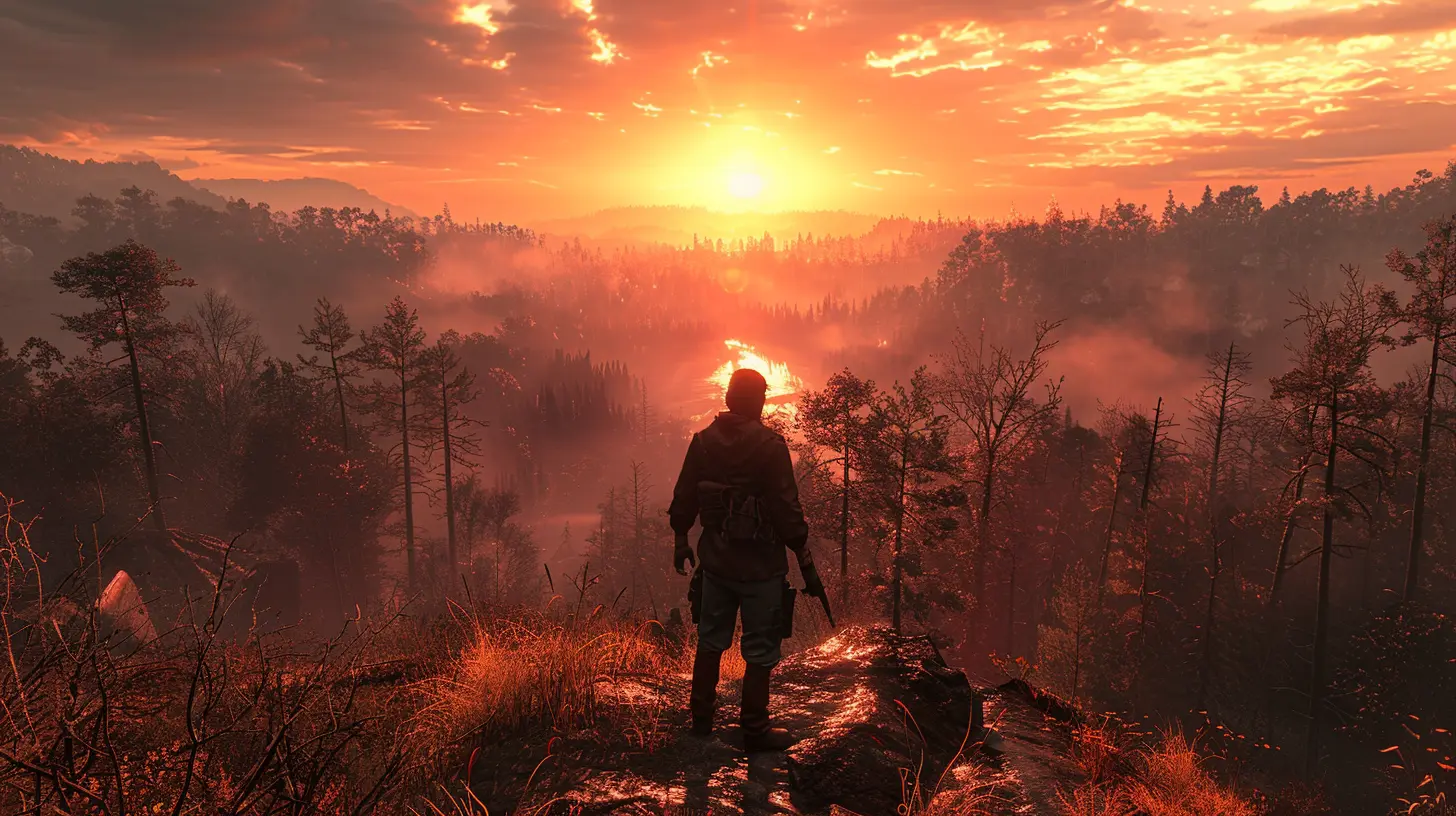
The Humble Beginnings — When Survival Meant Just Staying Alive
Before we had complex AI, photorealistic graphics, and deep crafting systems, early survival games were fairly simple. Think back to classics like Minecraft or DayZ. These games laid the groundwork for what survival could be — you’re dropped into a harsh world, resources are limited, and it’s up to you to make it through the night.Back then, survival was raw and unforgiving. You chopped wood, hunted animals, and avoided threats. And yet, there was something incredibly captivating about them. Maybe it was the sense of vulnerability or the satisfaction of building something from nothing.
But as time went on, gamers wanted more. And game devs were paying attention.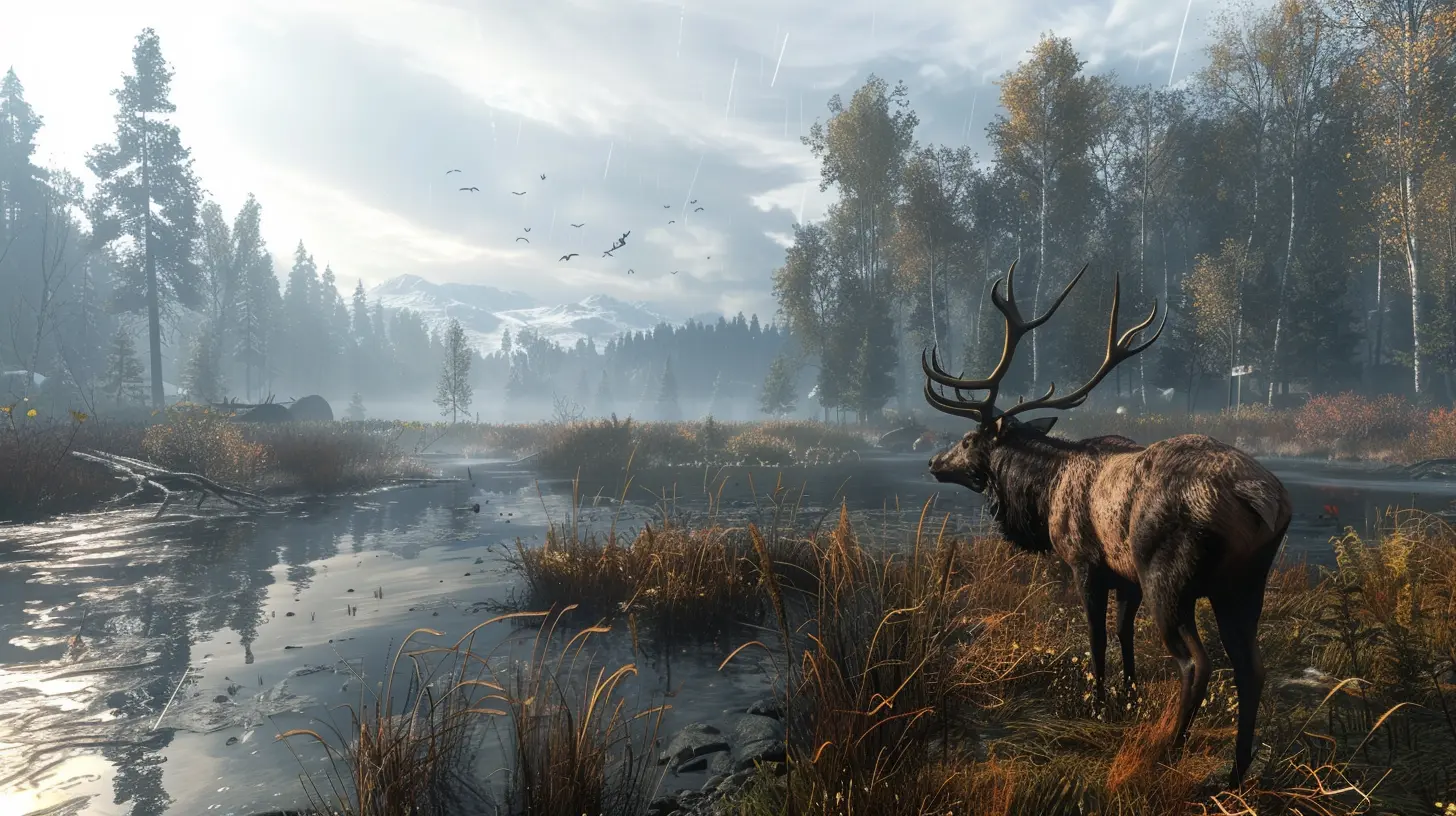
Player Expectations Have Skyrocketed (And That’s a Good Thing)
Let’s be honest — players today are picky. We want more than just a hunger bar and a crafting menu. We crave story, immersion, emotional payoff, and a world that feels alive. That demand has pushed developers to up their game (pun totally intended).We're not just surviving anymore, we're living in these worlds. We want to build fortresses, form alliances, fight for territory, and re-shape the environment. Survival games have started to blur the lines between open-world adventure, RPGs, and even horror.
And honestly? That’s the magic. That’s how survival games keep leveling up.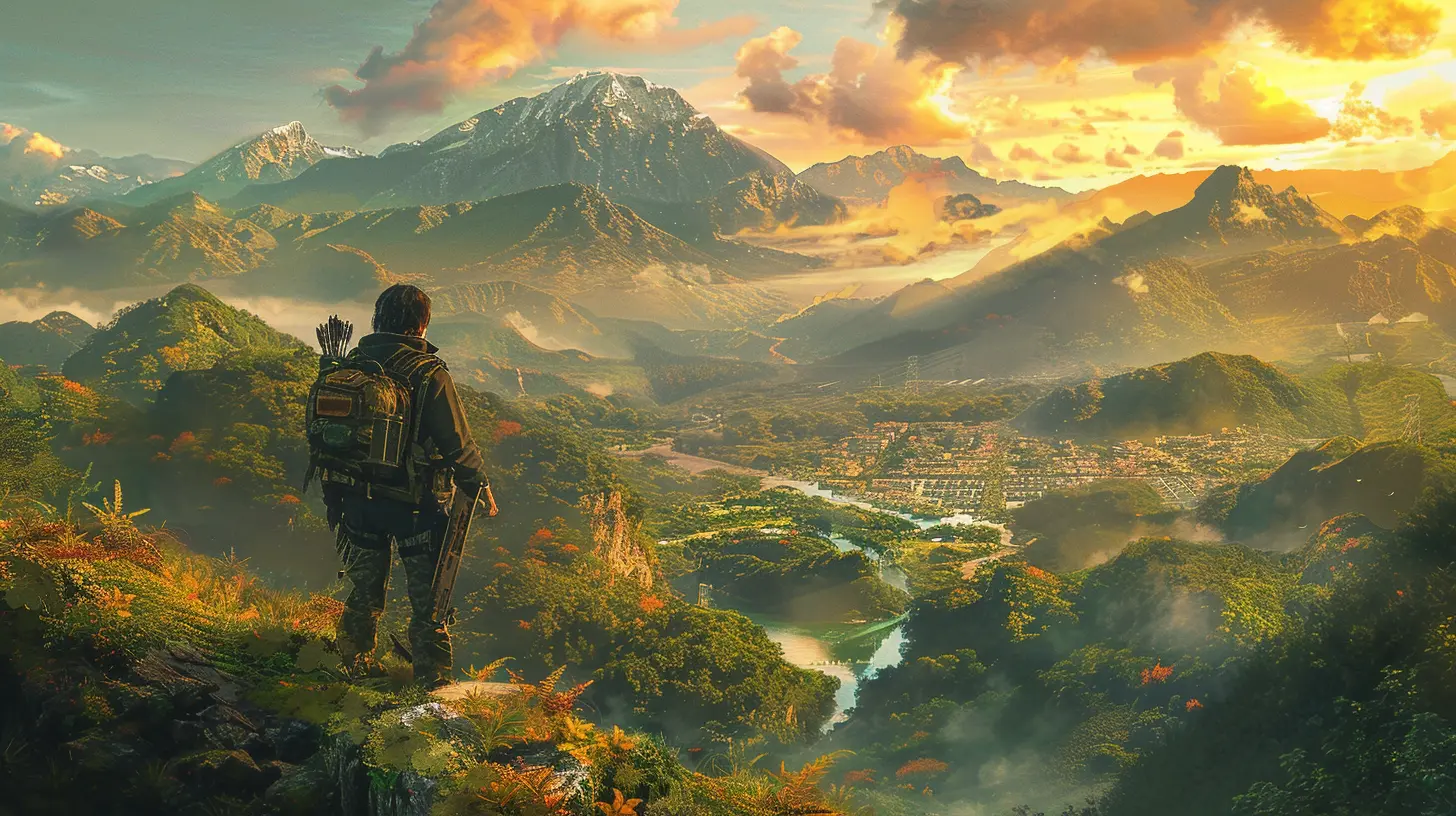
Procedural Generation — A New World Every Time
One of the coolest things that’s happened in survival games? Procedural generation. This feature means that no two playthroughs are the same. Games like The Forest, Don’t Starve, and Valheim have embraced this design, ensuring that every time you restart, you’re faced with new challenges in totally unpredictable environments.Think of it as Mother Nature’s mood swings — you never know what you’re going to get. One minute you're basking in the sun, the next you’re running from mutant deer monsters in a snowstorm. It keeps gameplay fresh and, frankly, addicting.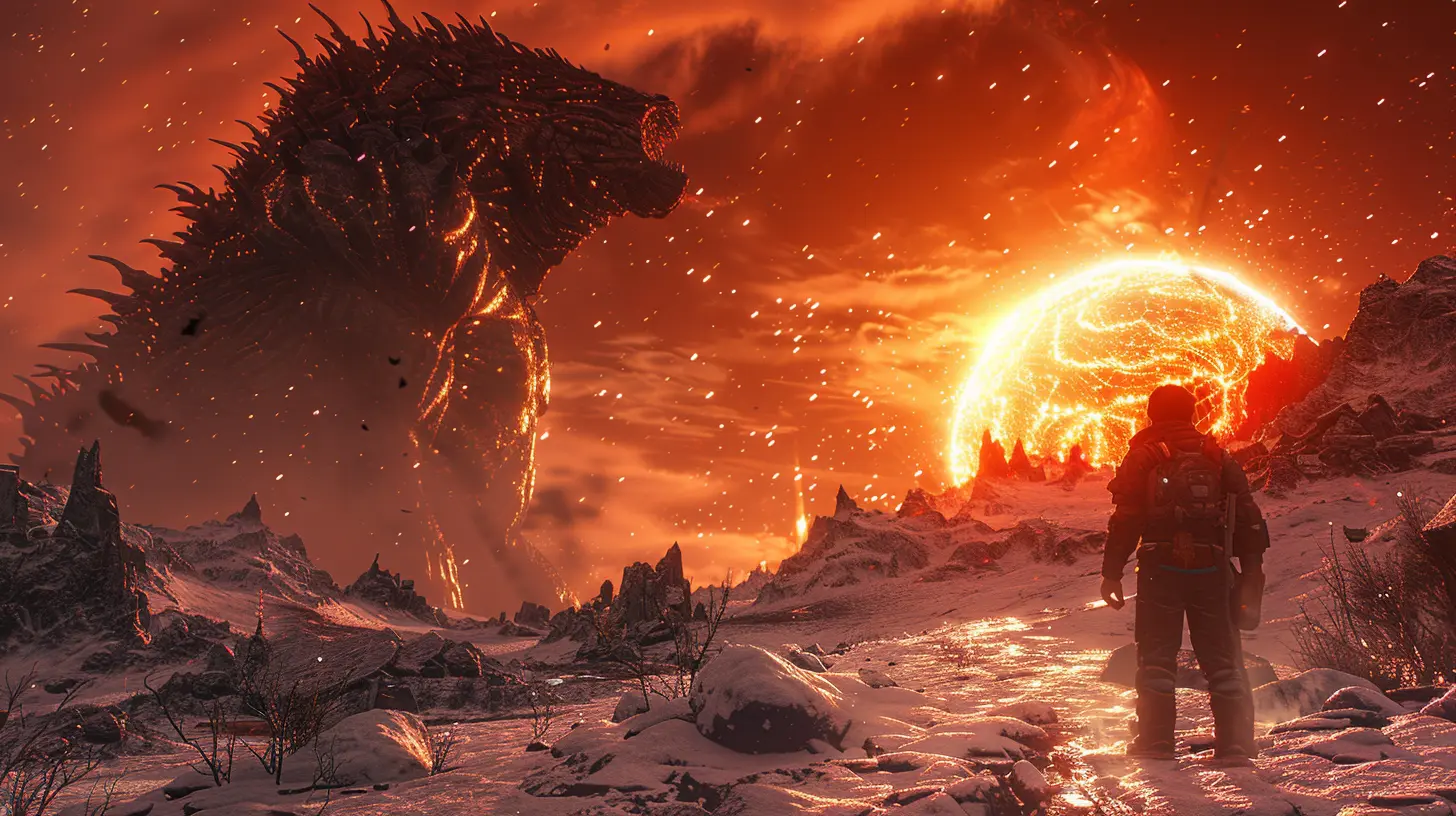
Crafting Systems Have Gone From Basic to Brilliant
Remember when crafting a spear was the peak of equipment in early survival games? Those days are long gone.Now, you can build entire cities (looking at you, Rust players) or super-advanced tech (hello, Subnautica*). Today’s crafting systems are deeply layered and have become a game of their own. You have to scavenge, manage a base, upgrade tools, maintain durability, and even automate tasks through machinery and AI companions.
In some games, you almost feel like a post-apocalyptic engineer. It’s not just about survival anymore — it’s about thriving.
Realism Is the New Standard
The realism in survival games has hit incredible levels. Developers are paying close attention to environmental physics, character stats, and even mental health mechanics. It’s not just your hunger you need to worry about — it could be your sanity, body temperature, vitamin intake, or even sleep schedule.Take Green Hell for example. Surviving in the Amazon jungle isn’t just about killing and cooking food. You need to manage wounds, fend off parasites, and keep your mental state stable. It's like Bear Grylls meets psychology — and it’s amazing.
This added realism pulls players deeper into these worlds. We’re no longer just playing a game — we’re living a life.
Multiplayer Adds New Layers of Chaos and Cooperation
Let’s not forget the power of multiplayer. It’s one thing to survive a hostile world alone, but throw in other players — and suddenly, it’s a whole new battlefield.Co-op survival has become huge. Games like The Forest, ARK: Survival Evolved, and Raft have embraced multiplayer where building together, dividing roles, and defending your tribe brings a whole new level of strategy. It’s like camping with friends, except if you all don’t cooperate… you die.
On the flip side, player-vs-player elements bring high-stress tension. Rust and DayZ have proven that the biggest threat in survival games isn’t always the environment — it’s other people.
AI and NPCs Are Getting Smarter (And Scarier)
Another big leap forward? Smarter AI. NPCs are no longer just cardboard cut-outs for target practice. Enemies evolve, adapt, and strategize. Some even talk back!Games like The Long Dark have wolves that stalk you over time. Other titles let you recruit NPCs, form communities, or wage war with AI-controlled factions. This makes the game world feel like it’s breathing, reacting, and moving — even when you're not.
It’s like you're part of a real ecosystem, not just a static game map.
Richer Stories and Deeper Lore
Once upon a time, surviving was enough of a narrative. But now? Survival games are telling poignant, intricate stories. They make you care.Games like Subnautica and The Forest sneak in deep plots about loss, humanity, and even ethics. These aren’t just tacked-on backstories either — they’re woven right into the gameplay. Every choice matters. Every consequence hits hard.
Instead of just asking, “Can I live through this?” players are starting to ask, “Should I survive at all costs?”
It’s a beautiful, haunting evolution of a once-simple genre.
Cross-Genre Hybrids: Survival Meets Everything Else
Survival games aren’t just survival games anymore. They’re part RPG, part horror, part sandbox, shooter, builder — you name it.Want survival in space? There’s Astroneer. Want survival with dinosaurs? ARK. How about survival with card mechanics? Go check out Insurmountable.
This blend keeps the genre fresh, reaching wider audiences and introducing new mechanics that keep long-time players on their toes.
It’s like a survival smoothie — take a bit of everything and blend it into the perfect challenge.
User Mods and Community Influence
Let’s not forget about the community. Modding has breathed new life into survival games again and again. Fans create new weapons, characters, locations, and entire overhaul mods that feel like brand-new games.Developers are leaning into this love — supporting modding tools, listening to feedback, and even hiring modders. Look at how Minecraft, Skyrim (with survival mods), and 7 Days to Die have built massive communities that keep the game alive long after launch.
It’s living proof that survival games aren’t just evolving through official updates — they’re evolving through the players too.
Hardware Is Catching Up — And It Shows
With better hardware comes better immersion. Ray tracing, VR, ultra-wide support, immersive sound design — all of it plunges us deeper into survival worlds like never before.Titles like Green Hell VR put you right in the jungle. You’re physically chopping wood with motion controllers and literally watching bugs crawl across your hands (gross, but cool). It's not just a game anymore — it's an experience.
As tech continues to grow, you can bet that survival games are going to get even more realistic, reactive, and downright mind-blowing.
What's Next for Survival Games?
The future of survival games is bright — and brutal. Think AI that learns your behavior, worlds that evolve in real time based on your actions, and dynamic weather systems that force you to rethink your strategy every time the wind changes.With virtual reality and augmented reality on the rise, we’re not far from survival games that blur the lines between the real and the digital. You might find yourself physically running from that zombie horde, ducking behind your couch and wondering how this became your Tuesday night.
At the same time, we’ll likely see even more emotional storytelling integrated into these harsh landscapes. Survival, after all, is personal. It’s about fear, hope, grit, and determination. As gaming tech grows, so too will our ability to tell those stories more powerfully.
Final Thoughts: Evolving, Thrilling, Unstoppable
So there you have it. Survival games aren’t just surviving — they're thriving and evolving with every update, every title, every risk developers are willing to take. And as players? We keep coming back, hungry (literally and figuratively) for more.We love survival games not just because they challenge us, but because they connect us to something primal. They remind us of what it means to struggle, adapt, and overcome — in a world where everything is trying to kill us.
And that, my friend, is why survival games will continue to evolve. Because just like in the games themselves, adaptation is the key to survival.
all images in this post were generated using AI tools
Category:
Game Reviews ArchiveAuthor:

Madeleine McCaffrey
Discussion
rate this article
2 comments
Grayson Larsen
Survival games just keep getting better—let's embrace the thrill of each new adventure!
April 25, 2026 at 3:26 PM
Madeleine McCaffrey
Absolutely! The constant innovation in survival games truly enhances the excitement and keeps players engaged in new challenges.
Will McQuiston
Survival games continually innovate, enhancing gameplay and player experience with every new title.
April 23, 2026 at 2:51 AM
Madeleine McCaffrey
Absolutely, each new game brings fresh ideas and mechanics that push the boundaries of the genre. It's exciting to see how innovation keeps players engaged.