How Teens Are Using Games to Learn New Languages
6 July 2026
Let’s be real — learning a new language isn’t always fun when it’s just books, flashcards, and memorizing verb conjugations till your brain melts. But what if you could swap that textbook for a controller or keyboard? Sounds like a dream, right? Well, for a growing number of teens around the world, that’s exactly what’s happening.
Gamers today aren’t just racking up points or defeating epic bosses — they’re picking up entirely new languages along the way. Yep, those hours spent in multiplayer games, story-driven RPGs, or even mobile games aren’t just about entertainment. They’re new-age classrooms… minus the homework (mostly).
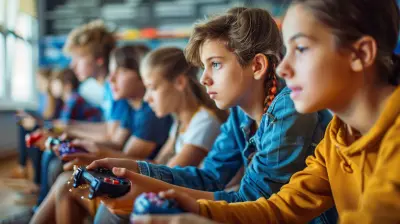
Let’s dive deep into how teens are using games to sharpen their language skills — and why it’s working better than many traditional methods.
Gaming Meets Language Learning: What’s the Connection?
So, how does gaming even help with language learning?Here’s the deal — many games are packed with dialogue, instructions, and interactions in different languages. Whether it's talking with allies, reading mission briefings, or customizing settings, players are constantly exposed to a new language in real time.
And unlike classroom settings where you might read “The apple is red,” games throw you into real conversational situations. You might need to negotiate with a merchant, read ancient runes, or follow voiceovers during a high-stakes mission.
It’s kind of like learning to swim by diving into the deep end — scary at first, but way more immersive.
The Rise of Multilingual Game Communities
One of the biggest reasons teens are crushing it with language learning through games? Online multiplayer.In games like Fortnite, Minecraft, or Roblox, you’re not just playing — you’re communicating. That could mean teaming up with a Spanish-speaking squad or joining a Japanese Minecraft server. Suddenly, phrases like “Vamos!” or “Arigato!” aren’t just words in textbooks. They’re things you say to survive in-game and connect with your teammates.
Gaming communities are global. Teens often find themselves chatting, strategizing, even joking with people from all over the world. And when the common language is something you're trying to learn? Boom — instant language lab.
Games with Built-In Language Features
Some games go the extra mile and include settings or features that directly support language learners.Take Duolingo’s gamified app interface. It turns boring grammar drills into quests and rewards like hearts and trophies. Then there are games like Influent — designed specifically to teach vocabulary by exploring a virtual world. And let’s not forget the RPGs that come with multiple language dubs and subtitles (we're looking at you, The Legend of Zelda and Final Fantasy!).
Smart teens are leveraging these features. They’ll set the in-game language to French, for example, while keeping English subtitles on. This visual and auditory combo helps the brain connect spoken and written words almost naturally — like training wheels for your ear.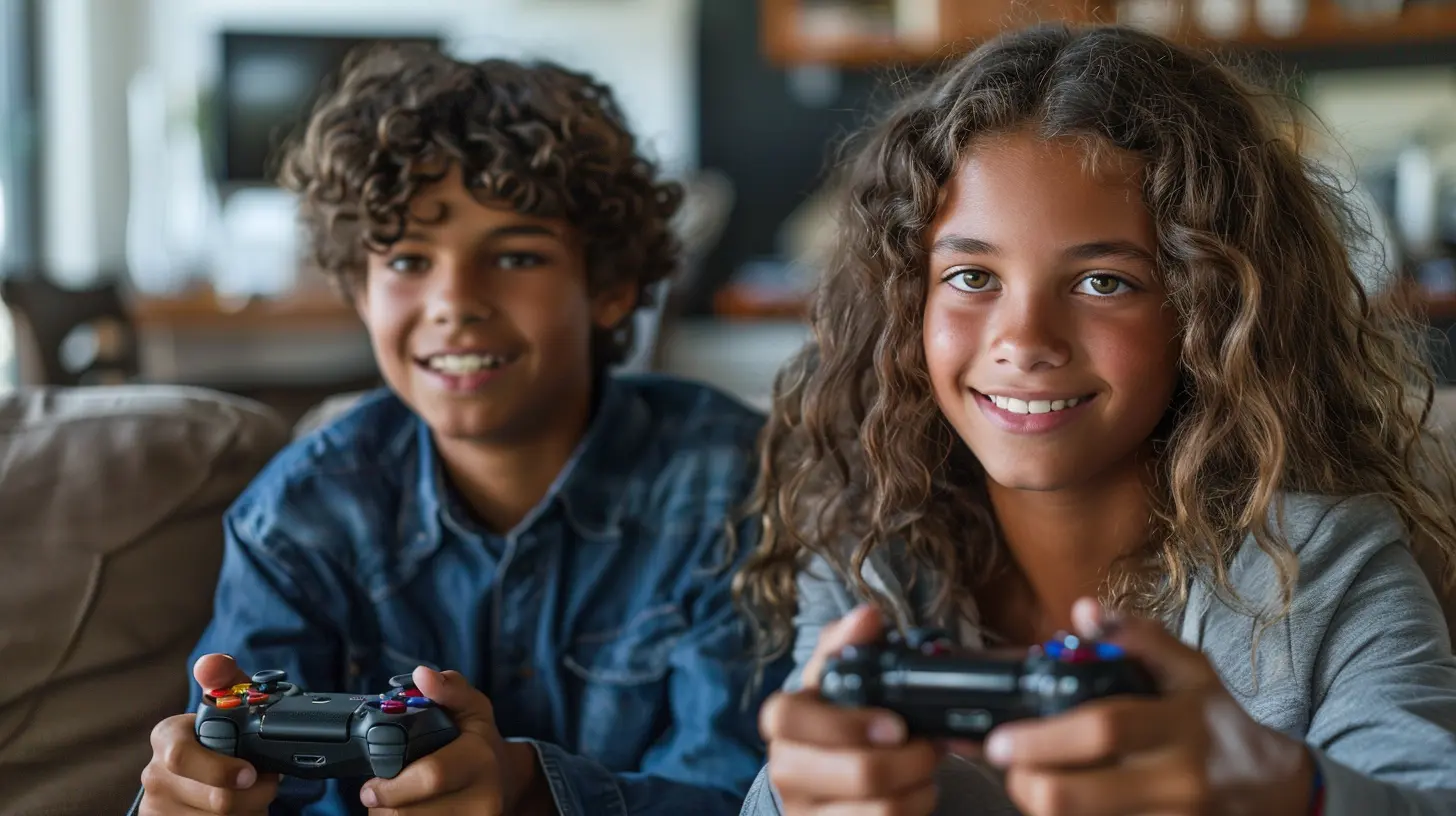
Real-Life Stories from Teen Gamers
Still not convinced? Let’s look at some real-world examples of teens turning pixels into language power.Lena, 16, from Sweden: She got obsessed with playing Genshin Impact in Japanese. At first, she just memorized voice lines because they sounded cool. But within months, she started picking up meanings, learning hiragana, and even chatting with other Japanese players through Discord.
Leo, 14, from Brazil: He plays Among Us on North American servers. Talking (and lying!) in English was tough at first, but now he jokes fluently and even writes fanfiction in English. Leo says, "I didn’t even notice I was learning. I just wanted to win the game!"
Emily, 17, from Canada: She started playing Animal Crossing in Spanish during quarantine. The calm pace allowed her to read slowly, pick up vocabulary, and even label things in her house using game terms. "Now I can talk about furniture and fruits in Spanish more than in English," she laughs.
These aren’t isolated cases. They’re part of a bigger wave — teens turning their screens into immersive language experiences.
Why Language Learning through Games Works So Well for Teens
Okay, but why is this method so effective? The answer lies in how the brain works, especially the teenage brain.Here are a few reasons:
1. High Engagement = Better Retention
Games are stimulating. They keep players on their toes, throwing new challenges, characters, and plot twists every few minutes. This constant mental engagement helps players remember new words and patterns without even realizing it.It’s like muscle memory — you don’t learn a dance by reading about it, right? You do it, feel it. Same with languages.
2. Contextual Learning Hits Different
In school, you might learn the word for “sword” in French… but in a fantasy game, you’ll hear it, use it, and see it in action during battle. That real-time context makes a MASSIVE difference in retention.3. Emotional Connection = Deeper Learning
When a game makes you feel something — excitement, frustration, joy — those emotions strengthen memory. If you succeeded in solving a puzzle after understanding a clue in German, that moment sticks with you way better than a worksheet would.Sneaky Grammar Lessons? Yes, Please
Let’s talk grammar. Nobody enjoys it. But games teach it, slyly.In role-playing games (RPGs), for example, character dialogue often follows grammar patterns. You start picking up sentence structures, verb conjugations, and even slang — just through repeated use.
And because you're using these structures to actually DO something in the game (complete a quest, make a trade, build a shelter), your brain stops seeing grammar as "rules" and starts processing it as tools.
It’s sneaky. It’s effective. And it beats any grammar textbook.
The Role of Subtitles, Audio, and Game Settings
Want a quick tip if you (or your teen) want to get the most language learning from gaming? Tinker with the language settings.Most modern games let you:
- Set voice audio in one language
- Use subtitles in another
- Adjust speed or repeat dialogues
This little tweak turns any standard game into a multi-language lab. You hear the target language AND see its translation. Your brain connects the dots faster than you'd think.
Bonus points if you pause and say the lines out loud. Yes, you’ll feel silly. But you’ll remember them forever.
Language Exchange Communities Within Games
There’s this really cool phenomenon happening where games become hubs for language exchange.Some Discord servers or game forums are dedicated to pairing up players who want to learn each other's native languages. Imagine a Russian teen trying to improve English while helping a British teen with Russian… in-game!
These communities create safe spaces to practice, make mistakes, and grow. And because the connection is built around a shared love for the game, the pressure to "perform" perfectly is way lower. It’s authentic, supportive, and fun.
Potential Challenges and How to Beat Them
Let’s not sugarcoat it — language learning through games comes with challenges.Some things to watch out for:
- Slang overload: Games often use informal language or unique lingo.- Inconsistent exposure: You might not always be in a language-rich session.
- Over-reliance on subtitles: Your brain might get lazy and stop listening.
But these are easy to tackle. Mix game time with language apps, drop subtitles once in a while, and play a variety of games — from fast-paced shooters to calm strategy titles. Keep the brain guessing and growing.
Parent Perspective: Is This Legit Learning?
If you’re a parent reading this and wondering, “Is my teen really learning anything from all this gaming?” the short answer is yes — if done right.Younger brains are wired to pick up languages when exposed frequently, especially in immersive environments. Games offer that naturally.
Still, balance is key. Encourage setting goals — like learning ten new phrases a week through gaming — or turning off subtitles after a certain level. Language learning doesn’t have to be separate from screen time. With the right games and a supportive environment, they go hand-in-hand.
Making It Work: Tips to Use Games for Language Learning
Wanna try it yourself or help your teen dive into this? Here’s a game plan:1. Pick the right games: Story-heavy RPGs, simulation games, and multiplayer titles are best.
2. Adjust game settings: Switch up voice and subtitle languages.
3. Join global communities: Look for servers based in the target language.
4. Keep a language journal: Jot down new words or phrases picked up during play.
5. Speak out loud: Mimic phrases or practice responses during the game.
6. Mix with other tools: Combine with Duolingo, Babbel, or YouTube language channels.
Final Thoughts
Gaming is no longer “just a waste of time.” For today’s teens, it’s a portal to new cultures, friendships, and languages. Instead of dreading vocab lists, they’re catching grammatical concepts mid-battle or picking up slang while building a digital city.It’s learning without the lecture, education through immersion — and honestly, it’s kind of brilliant.
So, the next time someone says, “You’re playing too many games,” maybe reply with a confident: “Estoy aprendiendo. Merci beaucoup.
all images in this post were generated using AI tools
Category:
Games For TeensAuthor:

Madeleine McCaffrey
Discussion
rate this article
2 comments
Isabelle Frank
Games engage teens in language learning, making it fun and effective. Great insight!
August 26, 2026 at 2:43 PM
Madeleine McCaffrey
Thanks for your feedback! I'm glad you found the insight valuable. Games really do make learning languages more enjoyable for teens.
Brooks Gray
So, while some of us struggled with verb conjugations in school, today's teens are leveling up their language skills through gaming. Who knew you could learn French while dodging dragons? Next up, someone should teach math using arcade games... wait, that might be too much!
July 12, 2026 at 3:52 PM
Madeleine McCaffrey
Absolutely! It's amazing how games can turn learning into an adventure. Who wouldn't want to pick up a new language while fighting dragons? Imagine the possibilities for math too... gaming makes it all more engaging!