How Teens Use Games to Stay Social
25 March 2026
Let’s be real—teenagers are practically glued to their screens. But that’s not always a bad thing. In fact, video games have become much more than just a hobby or a way to kill time. For teens, games are basically virtual hangout spots where they chill, compete, collaborate, and, most importantly, stay social with friends—even if they live miles apart.
So, what's really going on behind those screens? Why do teens gravitate toward games when they’re looking to connect with others? And is this actually helping them build their social skills or just making them more isolated? Let’s dive deep into the world of gaming and socializing.
The Digital Playground: Where Friends Meet
Remember those days when you'd meet your friends at the park or the mall? For today's teens, online games are the new hangout spots. From Fortnite and Minecraft to Roblox and Among Us, these platforms serve as digital playgrounds where teens laugh, strategize, and bond.Gaming isn’t just about winning anymore. It’s about being with people. Whether they're teaming up for a mission or just goofing around in a sandbox world, teens use games to stay connected the same way we used to call friends on landlines (yeah, remember those?).
Multiplayer Magic
Games that allow multiplayer modes are the real MVPs here. Whether it’s co-op or competitive, playing alongside friends builds camaraderie. They talk, plan, yell (a lot), and even joke around—just like they would in person.And it’s not just chatting through headsets. Some teens even Facetime or use Discord simultaneously for that extra layer of connection. It’s like being in the same room, only they’re on different couches in different houses.
Socialization Through Shared Experiences
One of the coolest parts about gaming is how it creates shared memories. Think about it—remember that crazy moment your whole squad pulled off a win by the skin of their teeth? Or when everyone burst into laughter over a silly in-game glitch?These shared experiences become stories that teens talk about for weeks. In a way, gaming gives them a social glue that holds friendships together. And sometimes, new friendships are born this way too.
Building Trust and Teamwork
Many games require players to work together and trust each other. You can’t win a raid in Destiny 2 or complete a tough level in Minecraft without solid teamwork. This naturally builds a sense of trust and cooperation among friends.It’s no different than playing on a sports team—except you’re dodging pixelated bullets instead of a soccer ball.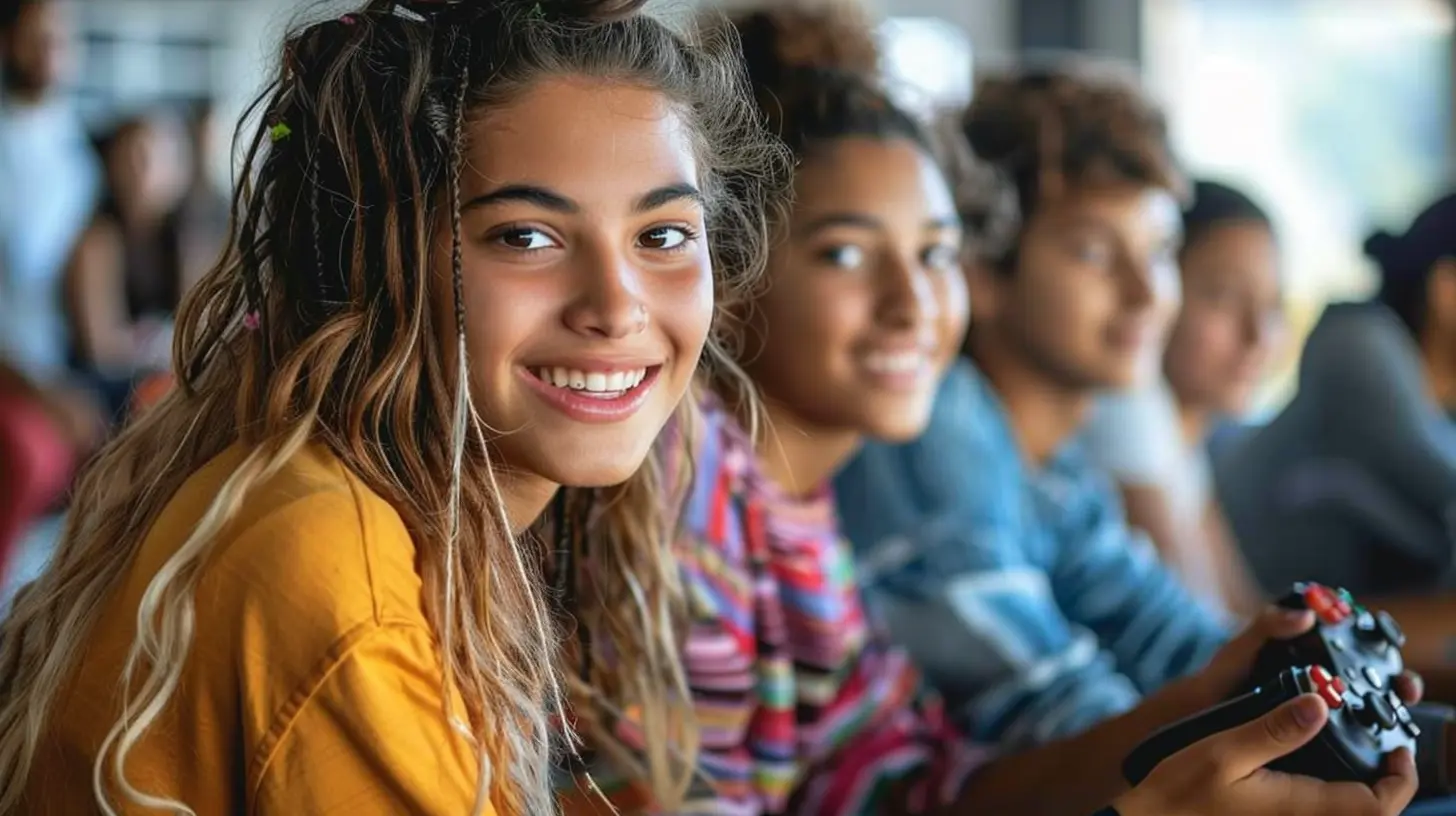
Making New Friends: Online Communities That Stick
One of the most fascinating things about gaming is how teens are forming friendships with people they’ve never met in real life. And no, it’s not as shady as it sounds.Gaming communities, especially on platforms like Discord or Reddit, offer safe(ish) spaces where teens can geek out about their favorite game, share tips, or just chat about life. Some of these friendships even go offline—they start texting, Snapchatting, or even meeting up IRL (with proper safety, of course).
Safe Social Spaces (With Caveats)
Now, not all online spaces are sunshine and rainbows. There are definitely issues like toxic behavior or cyberbullying. But most teens are pretty savvy and know how to block or report bad apples.Games also empower young people to control their environment. They can mute annoying players, invite only certain friends, and create private servers. It’s an interesting mix of freedom and safety they don’t always get in real life.
Beyond Just Playing: The Rise of Game Content Creation
Let’s not forget about another huge social layer—content creation. Many teens aren't just playing games; they're streaming, recording gameplay, editing videos, or even making memes about their favorite game moments.Platforms like Twitch and YouTube give them a stage to showcase their skills and make people laugh. It’s a whole new level of social interaction.
Becoming Part of Something Bigger
When teens stream or post gameplay content, they’re not just playing—they're participating in a global gaming culture. They're creating discussions, building followers, and sometimes even making money.It can also boost their confidence. Getting likes and comments from people who enjoy their content? That’s a dopamine hit that reinforces positive social behavior.
Fortnite and Friends: Case Studies in Social Connection
Let’s talk specifics. Fortnite, for example, isn’t just a battle royale game. It’s a social space. Epic Games has leaned into this big time, even hosting in-game concerts and events. Teens log on not just to fight to be the last one standing but to watch Ariana Grande or Travis Scott perform alongside their buddies.Minecraft is another shining example. It’s like Legos but online and with friends. Teens work together to build epic worlds, go on adventures, or just build a mansion because... why not?
Then there’s Roblox—where teens can literally create their own games. Talk about collaboration on a whole new level.
How Gaming Helps Develop Social Skills
There’s a myth floating around that video games make teens antisocial. Spoiler alert—it’s not true. Sure, if someone’s playing solo 24/7 with zero outside interaction, that’s a concern. But most teens use gaming as a social outlet.Here’s how gaming actually helps:
- Communication: Whether it’s strategizing during a game or trash-talking (playfully, of course), teens sharpen their verbal and written skills.
- Empathy: Cooperative games teach players to understand and support each other.
- Conflict Resolution: Disagreements happen. Learning to resolve them in a virtual team setting builds real-world skills.
Parental Concerns vs. Reality
Parents often picture teens gaming in a dark room, totally disconnected from the world. But that’s not usually the case. Teens are actively engaging with others—sometimes more than they do at school!That said, there are still legit concerns—like screen time, online predators, and mature content. But with guidance (and a little eavesdropping), parents can help teens enjoy safe and healthy social gaming.
Tips for Parents
- Set time limits but be flexible.- Ask about the games. Show interest!
- Educate both yourself and your teen about online safety.
- Encourage a balance between gaming and offline social time.
Gaming During the Pandemic: A Lifeline for Teen Social Lives
Let's be honest—the pandemic threw everyone a curveball. For teens, it was especially hard. No school hangouts, no parties, no sports.Guess what kept them sane? Yup, video games.
Gaming turned into the go-to way for teens to stay connected. They held birthday parties in Animal Crossing and prom nights in Minecraft. It wasn’t just better than nothing—it was actually pretty awesome.
What the Future Holds for Social Gaming
If we’re already seeing concerts, fashion shows, and virtual classrooms in games, imagine what's next. The metaverse? VR hangouts? Social gaming is only getting bigger.Game developers know this. That’s why future games are being built not just as experiences but as social platforms. And teens? They’re leading the charge.
Games are no longer just games—they’re social lifelines, creative outlets, and digital hangouts rolled into one.
Final Thoughts: It’s More Than Just a Game
At the end of the day, gaming for teens isn’t about escape—it’s about connection. Through games, they laugh, compete, support, and relate to each other. They're not just playing—they’re growing, learning, and forming relationships, one pixel at a time.So the next time you hear, “I’m just gonna hop on a game with the squad,” smile a little. Because that teen isn’t isolating—they’re socializing in a way that makes perfect sense to their generation.
all images in this post were generated using AI tools
Category:
Games For TeensAuthor:

Madeleine McCaffrey
Discussion
rate this article
2 comments
Phoenix Morgan
This article highlights an essential aspect of gaming today. It’s fascinating to see how teens leverage games as social platforms, fostering connections and friendships that might not happen otherwise. Gaming truly is a modern social lifeline for many young people.
March 30, 2026 at 3:07 PM
Madeleine McCaffrey
Thank you for your thoughtful comment! I completely agree—gaming has become a vital social outlet for teens, creating unique opportunities for connection and friendship.
Georgia McCray
Games have become more than just entertainment; they are vital social platforms for teens. Through shared challenges and collaborative experiences, they forge connections that transcend geographical boundaries. Understanding this dynamic can help parents and educators appreciate the positive role gaming plays in building relationships and fostering communication skills among youth.
March 28, 2026 at 4:28 PM
Madeleine McCaffrey
Absolutely, gaming offers a unique space for teens to connect and communicate. It's impressive how these shared experiences can lead to lasting friendships and improved social skills.