Puzzle Adventure Games That Test Teen Intelligence
25 August 2026
Have you ever seen a teenager solve a Rubik’s Cube in record time or break down complex riddles faster than you can grab your morning coffee? Yeah, teens today are smart—wickedly smart. And let’s be honest, while social media and streaming are fun, there’s something super satisfying about diving into a brain-busting game that doesn’t just pass time but actually makes you think. That’s where puzzle adventure games swoop in like brainy superheroes.
These aren’t your typical “match three and move on” games. We’re talking about immersive, story-driven, mentally challenging puzzle games that put critical thinking, memory, logic, and problem-solving skills to the test. Sound like a tall order? Maybe. But for teens with sharp minds and curious hearts, it’s the perfect digital playground.
In this article, we’re going deep into the world of puzzle adventure games that challenge and grow teen intelligence—and maybe even inspire a love for learning, logic, and storytelling along the way.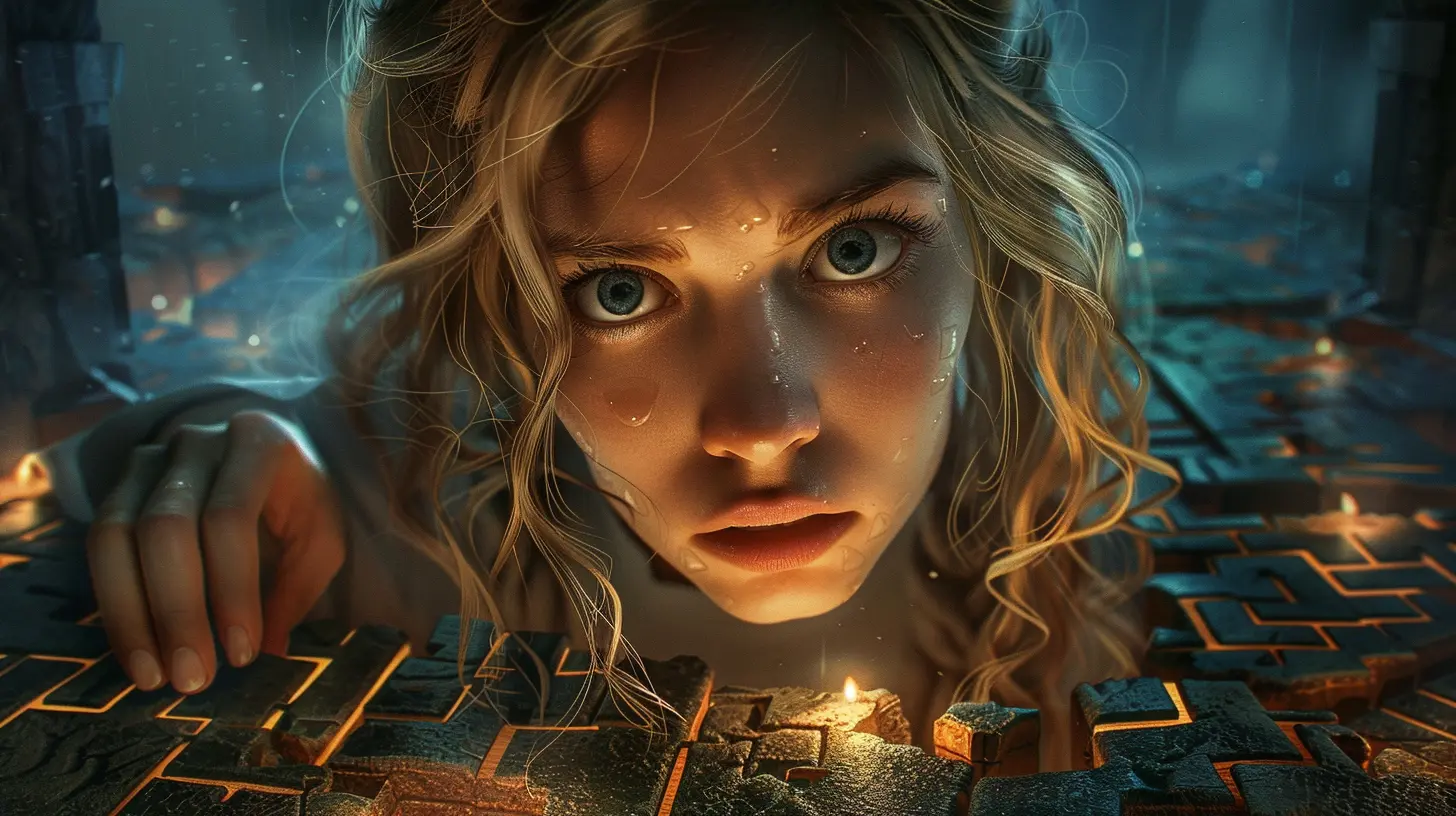
Why Puzzle Adventure Games Are Perfect for Teen Brains
First off, let’s talk about teens. That phase of life? It’s packed with creativity, curiosity, and cognitive growth. The teenage brain is still forming those oh-so-important connections, so what better way to fuel that development than with games that make you think instead of just tap?Puzzle adventure games tick all the right boxes:
- ? They boost critical thinking and strategic planning.
- ?️♂️ They encourage exploration, curiosity, and persistence.
- ? They often deliver rich storylines with complex narratives.
- ? And hey, they’re also just ridiculously fun.
Think of them like digital brain gyms—but with dragons, hidden temples, time travel, or mysterious notebooks.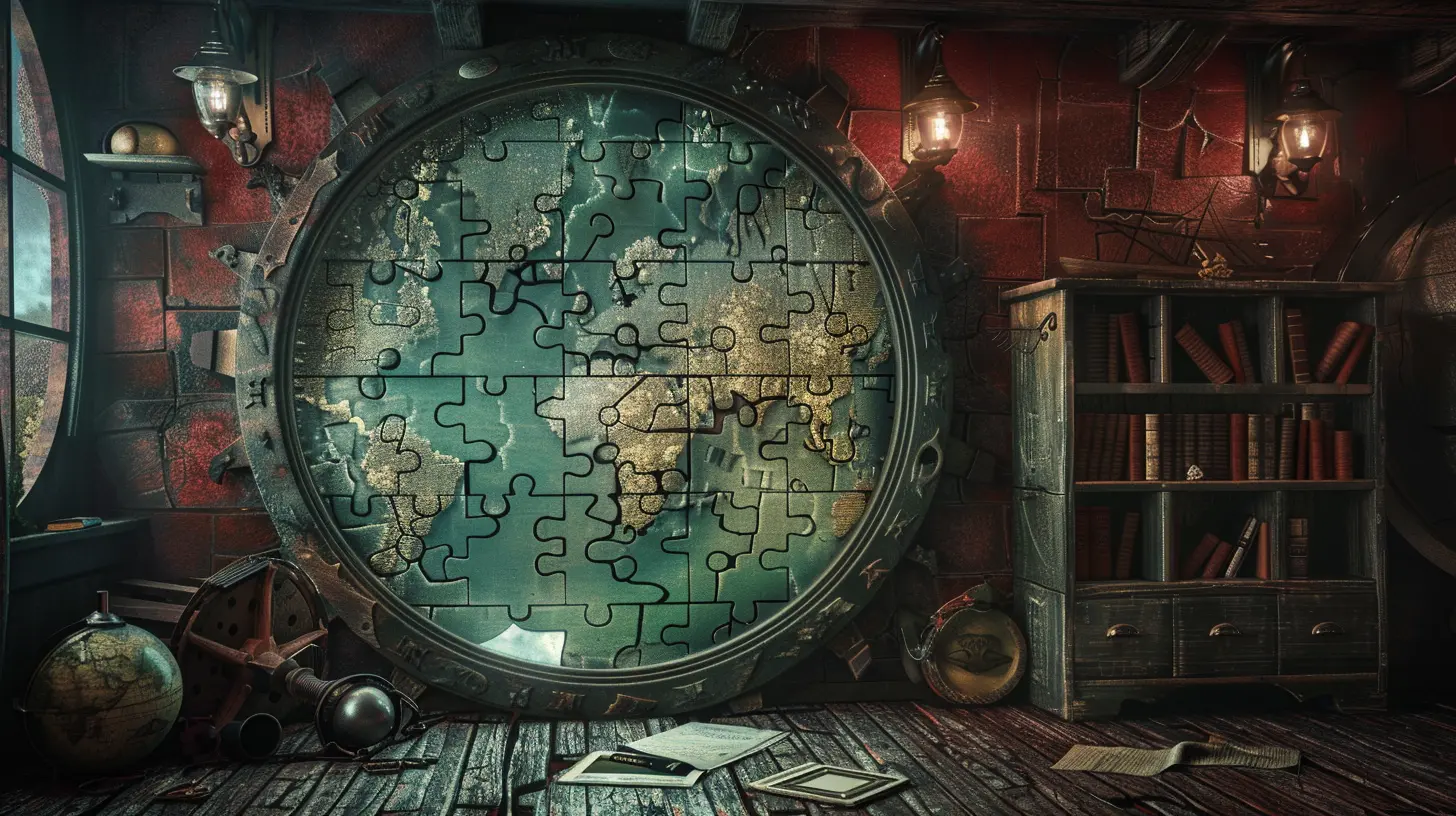
The Magical Blend of Puzzle + Adventure
Let’s face it—puzzle games on their own can sometimes feel like brain bootcamp. And while that’s fine for Sudoku lovers, not everyone wants pure logic without the spice of storytelling.Adventure games bring that spice.
Imagine solving a complex code as you unravel the mystery behind a missing civilization, or finding clues buried in ancient ruins as you hunt for lost artifacts. Puzzle adventure games excel at weaving logic challenges into epic quests. They make your brain work, but they also make your heart race.
So without further ado, let’s jump into some of the best puzzle adventure games that not only entertain but also make teens smarter by the minute.
1. The Legend of Zelda: Breath of the Wild
Yeah, we’re starting strong. While most people focus on its stunning open world and combat mechanics, Breath of the Wild is packed with intricate puzzles hidden in shrines and dungeons.Teens will love:
- Figuring out how to manipulate physics to solve puzzles.
- Exploring interconnected mechanics and environmental cues.
- Experimenting with different solutions (because there’s rarely just one right way).
It’s not just a game—it’s a genius simulator in disguise.
2. The Witness
This one? It's like walking through a fine art gallery where every painting is actually a brain teaser. Set on a mysterious island, The Witness features hundreds of line puzzles that gradually increase in complexity.What makes it brilliant for teens:
- There is no hand-holding. You learn by observation—just like in the real world.
- It teaches visual logic, spatial relationships, and pattern recognition.
- Every puzzle you solve feels like unlocking another door in your mind.
It's peaceful, it's bright, and it's oh-so-sneaky at making you smarter.
3. Professor Layton Series
Nothing screams “charming brain workout” like Professor Layton. This series is basically an interactive Sherlock Holmes story wrapped in riddles, logic puzzles, and deduction-based gameplay.Why teens dig it:
- The stories are full of unexpected twists and thoughtful characters.
- The puzzles are diverse—from logic grids to matchstick math.
- It encourages lateral thinking (thinking outside the box... and sometimes inside it too).
It’s like reading a detective novel and solving it at the same time.
4. Portal 2
If you haven’t heard the phrase “the cake is a lie,” you probably haven’t played Portal. And that’s a shame because Portal 2 is a puzzle masterpiece.Here’s why it hits different:
- It teaches physics-based logic like momentum and gravity through gameplay.
- The puzzles involve clever uses of space, timing, and perception.
- The AI narrator GLaDOS? Pure sarcastic gold.
It’s funny, challenging, and makes you think with portals—literally.
5. Oxenfree
Looking for a game that tests emotional intelligence along with puzzle-solving? Oxenfree is a supernatural thriller with a strong narrative, dialogue choices, and eerie mysteries.Why teens might fall in love:
- It blends storytelling with decision-making and time loops.
- It plays like an interactive novel with layers of secrets to unravel.
- The puzzles are woven into the plot, making every choice feel meaningful.
It’s like Stranger Things met a puzzle game and they had a beautifully weird baby.
6. Return of the Obra Dinn
Set aboard a lost ship in the 1800s, this game is a cold-case puzzle where you play as an insurance investigator trying to figure out what happened to everyone onboard.Sounds dry? Nope. It’s dripping with mystery and old-school detective vibes.
Here’s the brainy part:
- You piece together fates and identities using logic, observation, and deduction.
- It’s all about paying attention to voice lines, surroundings, and clothing.
- Teens get to feel like actual sleuths, one clue at a time.
It’s like playing Clue on a haunted ship—with spreadsheets.
7. Brothers: A Tale of Two Sons
This game isn’t heavy on traditional puzzles but masters the idea of emotional and experiential challenges. You control two brothers with one controller—literally.Sounds confusing? That’s the point.
It teaches:
- Multitasking under pressure.
- Emotional problem-solving and empathy.
- The quiet, powerful narrative of loss, love, and courage.
It’s not just brain exercise; it’s heart exercise too.
8. Baba Is You
Ever imagined rewriting the rules of a game mid-play? That’s exactly what Baba Is You lets you do.It’s mind-melting in the best way because:
- You alter logic by rearranging words in the game.
- It breaks the fourth wall of standard puzzle making.
- It demands creativity from even the most seasoned puzzle lovers.
Think of it as learning to code, but with adorable pixel characters and rule-breaking genius.
9. Machinarium
This one’s a visual treat. In a steampunk world of clunky robots and wind-up machines, Machinarium tells a silent story through visuals and interactive puzzles.Teens will appreciate:
- No dialogue, just pure environmental storytelling.
- A mix of inventory puzzles, pattern decoding, and mechanical challenges.
- A quirky world that invites exploration and patience.
If Pixar made a game for puzzle lovers, it’d probably look like this.
What Teens Really Gain from These Games
Now, let’s get real for a second. It’s easy to brush off games as frivolous or “just for fun.” But the truth? The right games can shape how we think—especially during those critical years when teens are figuring out who they are and how the world works.Puzzle adventure games offer:
- Better problem-solving skills.
- Stronger memory and spatial awareness.
- An improved ability to focus and adapt.
- A safe space for trial-and-error learning.
And maybe most importantly? They teach patience. Let’s be honest—teens (and adults) could use a little more of that.
Tips for Parents and Educators
If you're a parent, teacher, or just a grown-up trying to keep up, here's some good news: supporting teens who love puzzle adventure games is easier than you think.? Encourage thoughtful play. Ask questions like “How’d you figure that out?” or “What strategy worked best?”
? Connect game themes to school subjects. Return of the Obra Dinn ties into history and logic. Baba Is You gets abstract like math or programming.
⏳ Set time limits but respect their engagement. These aren’t mindless games—they’re investment games.
? Play alongside them. Trust us, evenings get way more fun when you're trying to outsmart a robotic AI together.
Final Thoughts: Let the Brain Games Begin
Honestly, puzzle adventure games are more than just screen time—they're mental workouts wrapped in epic journeys. Whether your teen is sliding tiles in The Witness, slicing through physics in Portal, or cracking emotional codes in Oxenfree, they’re actually developing deep cognitive skills in the process.So next time someone says video games aren’t educational? Just hand them the controller and watch things click—literally and figuratively.
Because let’s face it: the smartest quests never have easy answers.
all images in this post were generated using AI tools
Category:
Games For TeensAuthor:

Madeleine McCaffrey
Discussion
rate this article
2 comments
Bear Torres
This article highlights some fantastic puzzle adventure games. It's great to see how these games can challenge teens and spark their creativity while having fun.
October 2, 2026 at 4:45 AM
Valen Wood
Clever challenges for teens.
August 30, 2026 at 5:06 PM
Madeleine McCaffrey
I'm glad you think so! Teen challenges are a fun way to boost problem-solving skills.