The History of Co-Op Gaming: Playing Together Before Online
27 January 2026
Gaming has always been about more than just flashy graphics and adrenaline-pumping gameplay. At its heart, it's about bringing people together. Whether you're smashing buttons on a controller with a friend or teaming up to tackle a tough boss, the urge to share the thrill of victory (and sometimes the agony of defeat) with someone else is universal.
But have you ever stopped to think about where it all started? Before online gaming and matchmaking became the norm, cooperative (or “co-op”) gaming was an entirely different beast. It was local, personal, and oftentimes chaotic in the best way possible. So, grab your controllers (or keyboards) and let’s rewind the clock to explore the fascinating origins of co-op gaming and how it evolved into the global phenomenon we know today. 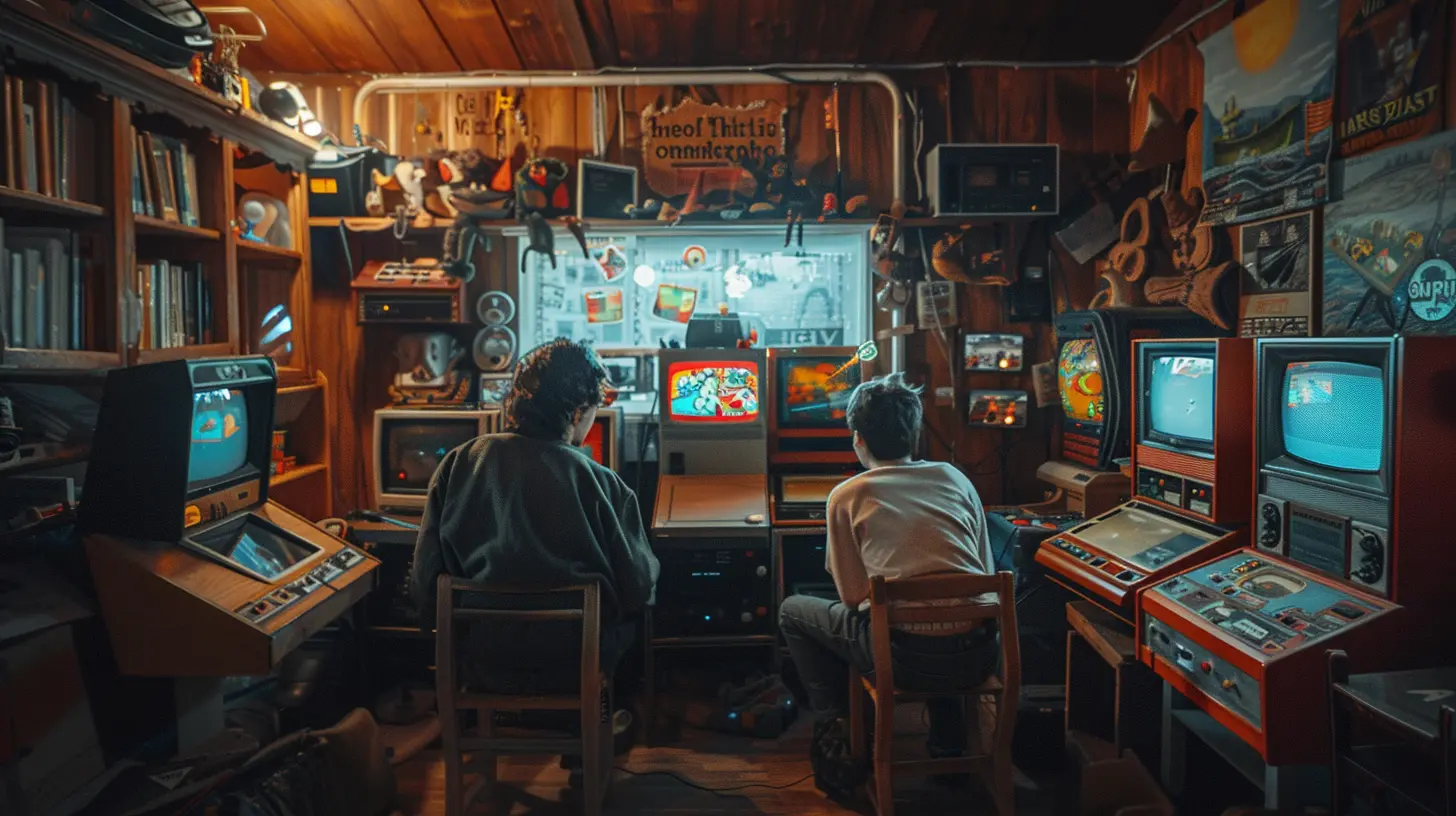
The Roots of Co-Op Gaming: From Arcades to Living Rooms
The Arcade Era: Coin-Operated Collaboration
Before consoles dominated living rooms, arcades were the place to play games. Interestingly, the earliest co-op experiences came out of a need to make arcade machines more social—and profitable. The idea was simple: let two players play simultaneously, double the coins, double the fun.One of the earliest attempts at co-op gaming was "Pong Doubles" (1973), a four-player version of the iconic Pong game. However, it wasn’t until the 1980s that cooperative play began to take off in earnest. Classic titles like Gauntlet (1985) were trailblazing. In Gauntlet, up to four players could choose unique characters—warrior, wizard, valkyrie, or elf—and embark on dungeon-crawling adventures together. It was a game that practically begged you and your friends to join forces.
Why was this such a big deal? Well, teamwork makes the dream work, right? Playing co-op in these arcade games made you feel like part of a squad. Suddenly, defeating enemies felt less like grinding and more like a shared achievement. You weren’t just bonding over a game; you were strategizing, shouting commands, and celebrating victories in real-time.
The Couch Co-Op Revolution: Consoles Enter the Scene
When gaming systems like the NES, Sega Genesis, and SNES started to invade living rooms in the 1980s and 1990s, the nature of co-op gaming shifted. Now, you didn’t need to pop quarters into a machine; you just had to grab a second controller and sit down next to your buddy.Remember the Contra series? Released in 1987, Contra was a hardcore, run-and-gun co-op game that inspired a generation of gamers… and ruined a few friendships in the process. Trying to survive alien invasions with a friend was no easy task. One wrong move, and you both could end up on a frustrating “Game Over” screen. This is where the infamous “Konami Code” became legendary, granting players extra lives to level the playing field.
Another gem from this era was Teenage Mutant Ninja Turtles II: The Arcade Game (1990). It brought the four-player arcade experience straight to your living room, letting you and your pals become Donatello, Leonardo, Michelangelo, and Raphael while battling Shredder’s minions.
Couch co-op wasn’t just about the games—it was about the memories. Sitting shoulder to shoulder, face buried in the glow of an old CRT television, trash-talking and cheering each other on. It was quality bonding time, even if it involved the occasional theft of a power-up or the dreaded “accidental” character kill. 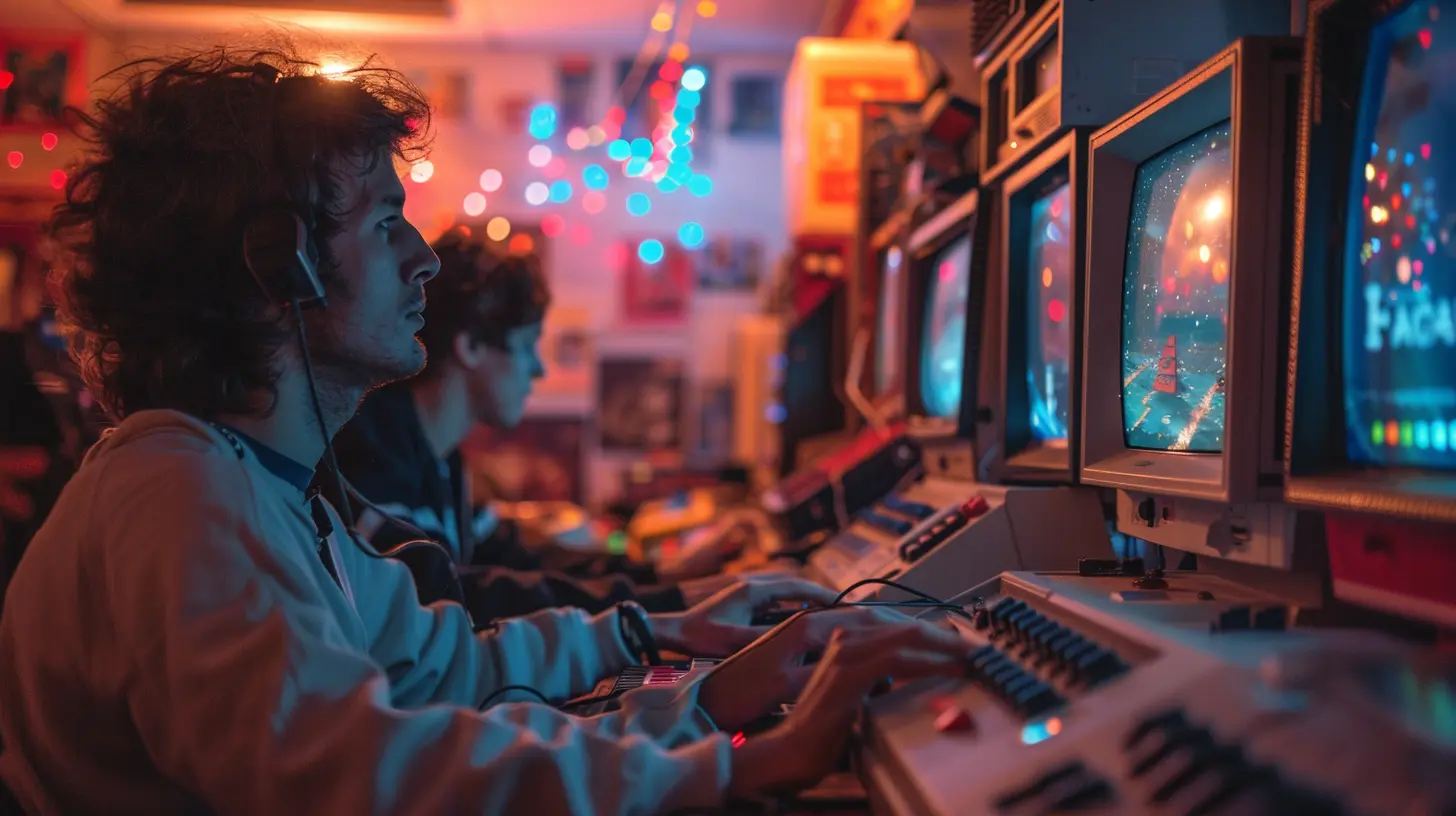
The Golden Age of Co-Op Gaming
The Rise of Split-Screen Adventures
The 1990s and early 2000s brought about true co-op magic. Consoles like the PlayStation, Nintendo 64, and Xbox took things up a notch with split-screen gaming—something that became a defining feature of co-op play.Who could forget GoldenEye 007 on the N64? Sure, it was known for its competitive multiplayer mode, but it also featured a co-op campaign that was revolutionary for its time. Campaign co-op allowed players to take on missions together, doubling the fun and, occasionally, the frustration.
Another noteworthy title was Halo: Combat Evolved (2001). This sci-fi shooter wasn’t just a game; it was an event. Its split-screen co-op was responsible for countless sleepless nights and snack-fueled gaming marathons. Battling Covenant forces side-by-side with a friend? It felt like you were saving the galaxy together.
These games weren’t just about the action; they were about the bonds you formed while playing. Sure, the graphics couldn’t compete with modern standards, but nothing beat the feeling of high-fiving your buddy after taking down a tough enemy.
Co-Op Beyond Action: Thinking and Creating Together
Co-op gaming wasn’t just limited to shooters and beat-em-ups. Titles like Lego Star Wars (2005) and Portal 2 (2011) introduced puzzle-solving into the mix, proving that cooperative play didn’t always have to involve chaos and explosions.Take Portal 2, for example. The co-op mode required players to work together to solve mind-bending puzzles using portals, lasers, and sheer brainpower. It was a test of communication and patience, and it showed just how creative co-op experiences could be.
Meanwhile, games like Minecraft (2011) allowed for an entirely different kind of co-op: creation. Instead of battling enemies, players could team up to build sprawling worlds, towering castles, or ridiculous roller coasters. It was like digital Lego, but with endless possibilities. 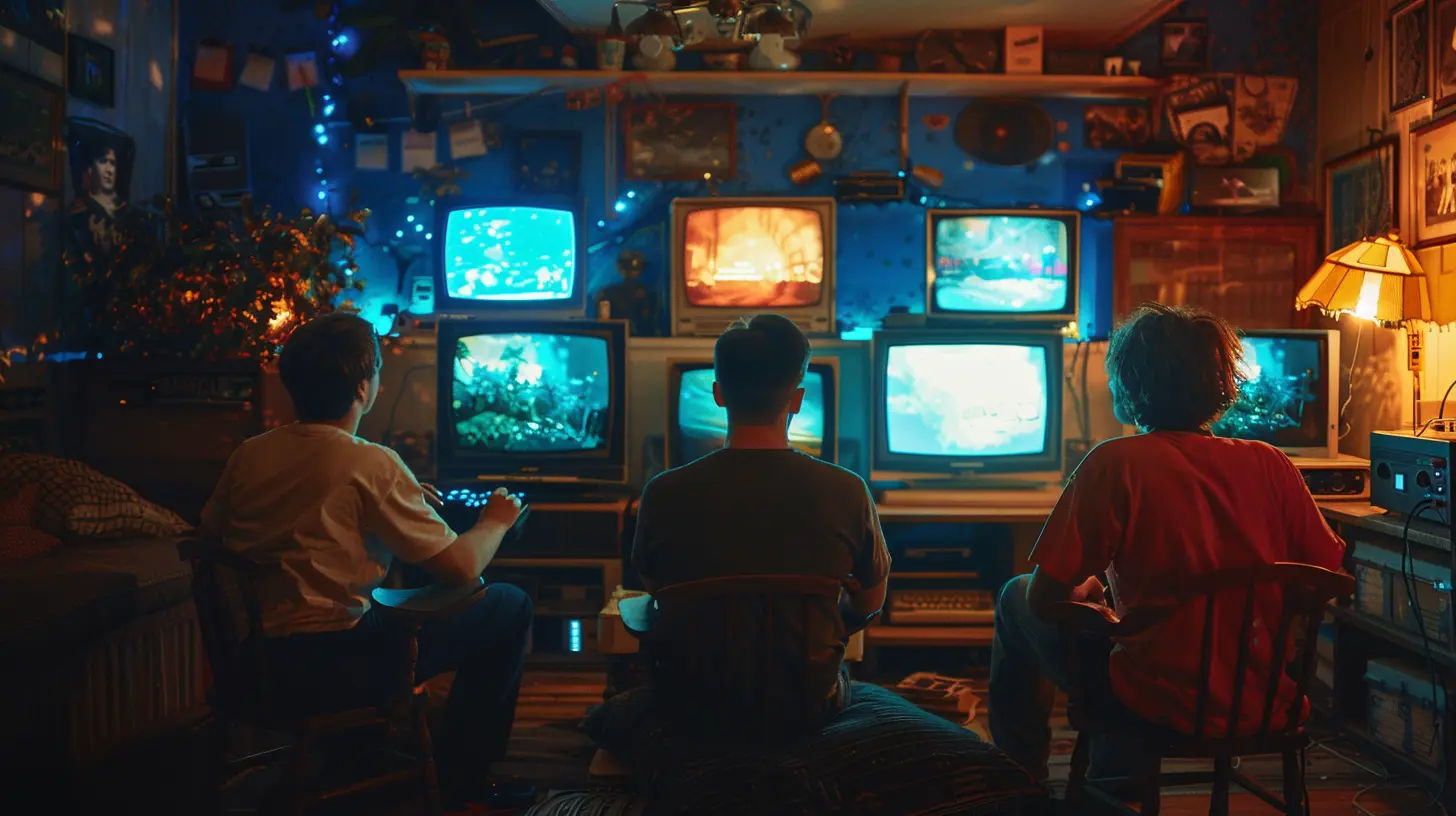
The Transition to Online Co-Op
The Dawn of Online Play
While this article focuses on the pre-online days, we can’t completely ignore the moment when the internet started to change things. The seeds of online co-op began to sprout in the late 1990s with games like Diablo (1996) and Quake II (1997), which allowed limited co-op functionality over local networks or early internet connections. However, the restrictions of dial-up internet and the need for specialized equipment kept online co-op from fully taking over just yet.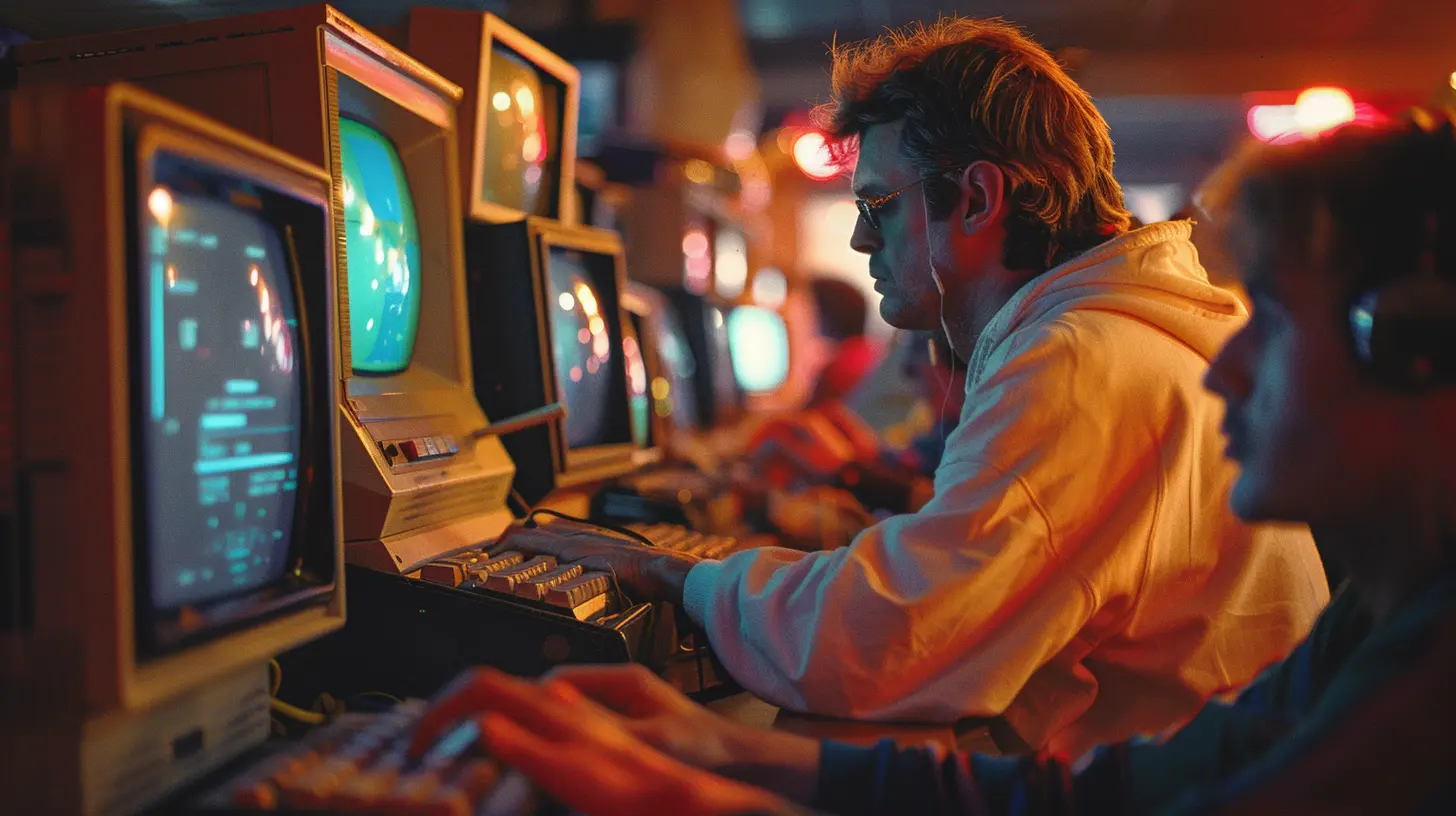
Why Local Co-Op Still Holds a Special Place
Sure, online gaming is convenient, but it’s hard to beat the magic of local co-op. There’s something irreplaceable about sitting next to someone, sharing snacks, and reacting to the game together in real-time. It’s raw, personal, and intimate in a way that online just isn’t.Local co-op taught us life lessons, too. It taught us how to share (that coveted health power-up wasn’t just yours for the taking), how to communicate (because shouting “Jump now!” was a legit strategy), and yes, how to deal with failure (remember that sinking feeling when you both ran out of lives?).
The Legacy of Pre-Online Co-Op Gaming
Co-op gaming has come a long way since the days of arcade machines and split-screen TVs. Yet, the essence of those early experiences remains intact. At its core, co-op gaming is about connection—whether that’s teaming up to take down an alien force or working together to solve a tricky puzzle.Even in today’s online-dominated world, the legacy of pre-online co-op gaming lives on. Titles like Overcooked (2016) and A Way Out (2018) blend modern mechanics with that old-school sense of togetherness. The industry hasn’t forgotten its roots, and neither have we.
So, the next time you’re playing co-op—whether it’s with someone on the couch next to you or a friend halfway across the world—take a moment to appreciate how far we’ve come. And maybe, just maybe, dig out an old console and relive some of those classic local co-op moments. Who knows? They might just be even more fun than you remember.
all images in this post were generated using AI tools
Category:
Gaming HistoryAuthor:

Madeleine McCaffrey
Discussion
rate this article
3 comments
Ariella O'Brien
It's fascinating to see how co-op gaming has evolved over the years. The memories of gathering with friends on the couch, sharing laughs and challenges, make those experiences truly special. Here's to the joy of playing together, both past and future!
May 2, 2026 at 3:01 PM
Madeleine McCaffrey
Absolutely! Those couch co-op moments created lasting bonds and unforgettable experiences. We owe so much to those early days of gaming together.
Serenity Wood
What a wonderful tribute to co-op gaming's rich history! It reminds us of the joy of gathering with friends, sharing laughter, and creating unforgettable memories long before online play became the norm.
February 7, 2026 at 5:43 AM
Madeleine McCaffrey
Thank you! I'm glad you appreciated the tribute and the nostalgic reminder of the joy of local gaming with friends.
Corinne Matthews
This article brilliantly captures the essence of co-op gaming's evolution before the online era. It highlights how local multiplayer experiences fostered friendships and created lasting memories. Nostalgia for split screens and shared victories reminds us of the joy of playing together in the same room. Great read!
February 2, 2026 at 4:24 AM
Madeleine McCaffrey
Thank you! I'm glad you enjoyed the article and resonated with the nostalgia of local multiplayer experiences.