The History of Racing Games: From Pole Position to Gran Turismo
12 January 2026
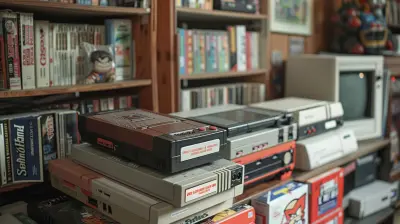
Racing games. Who doesn’t love the thrill of cornering at 200 mph without actually having to leave the couch? Over the years, racing games have gone from pixelated blurs to photo-realistic masterpieces that make you question if you're looking at a game or real life. But how did we get here? Buckle up, because we’re taking a joyride through the fascinating history of racing games—from their humble beginnings with Pole Position to the automotive monolith that is Gran Turismo. Ready? Let’s hit the gas!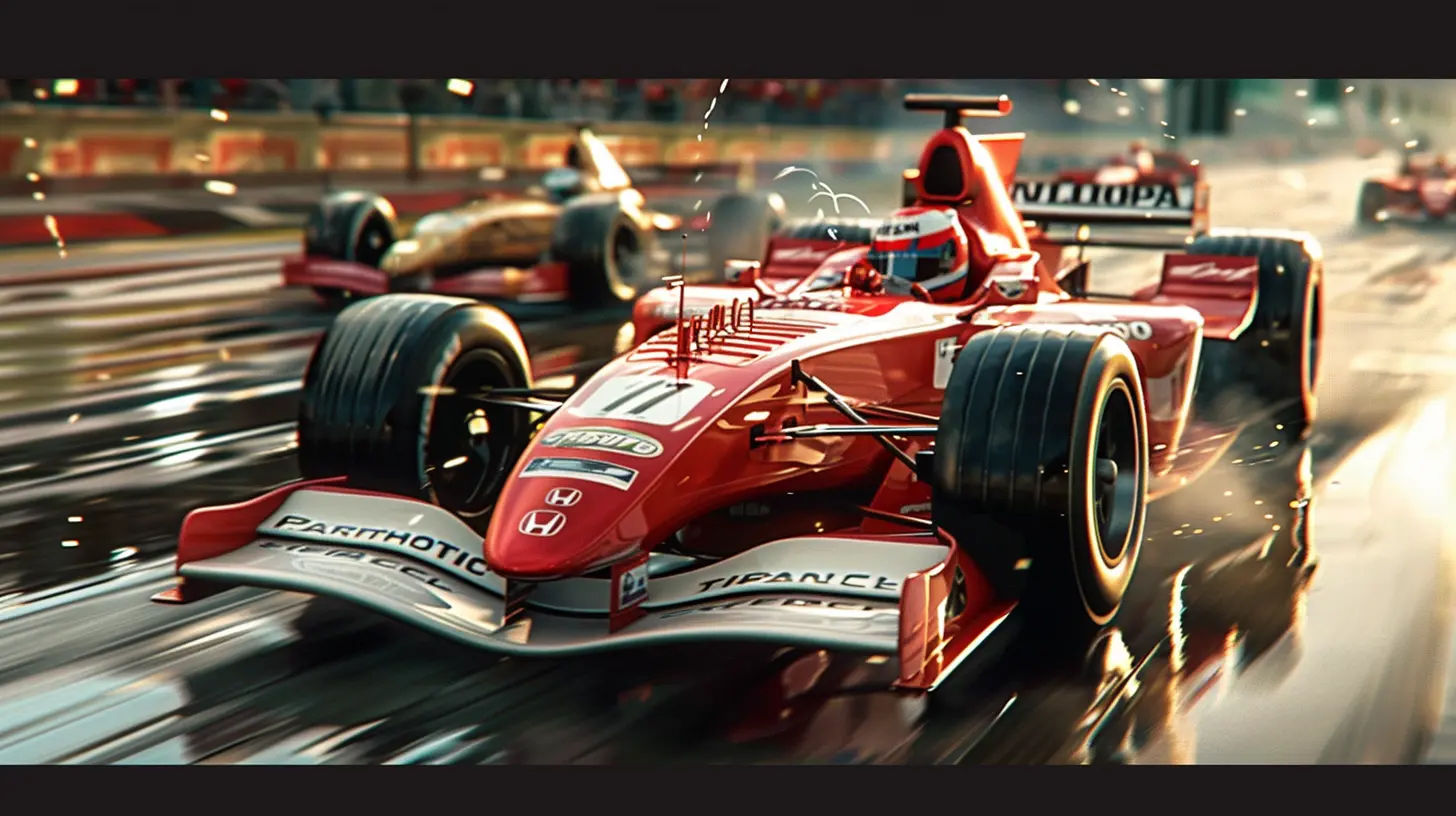
The Starting Line: The Early Days of Racing Games
Every success story begins somewhere, and for racing games, that "somewhere" was the early arcade era. The first racing games were nothing like the hyper-realistic titles we play today. Instead, they were simple, creative, and, let’s be real, a bit clunky.The Grandfather of Them All: Gran Trak 10
Let’s set the scene: It’s 1974, and Atari drops one of the first-ever racing games, Gran Trak 10. This wasn’t just any arcade game. It was a rudimentary top-down racer featuring a steering wheel, gear shifter, and foot pedals. Sure, the graphics were as basic as toast—just white lines on a black background—but players were hooked. Why? Because it gave the illusion of driving, a novelty that was wildly exciting at the time.Speeding Into the '80s: Pole Position Takes the Pole
Fast forward to 1982—enter Pole Position, a game that many consider the turning point for racing games. Produced by Namco (yep, the same folks behind Pac-Man), this arcade gem was revolutionary. It introduced the concept of qualifying laps, which, let’s face it, made you feel like a legit race car driver.On top of that, Pole Position was one of the first games to feature a track based on a real-world racecourse: Fuji Speedway in Japan. The graphics? Vibrant and colorful for the time. The gameplay? Addictive. Suddenly, racing games didn’t just simulate driving; they simulated competitive motorsport.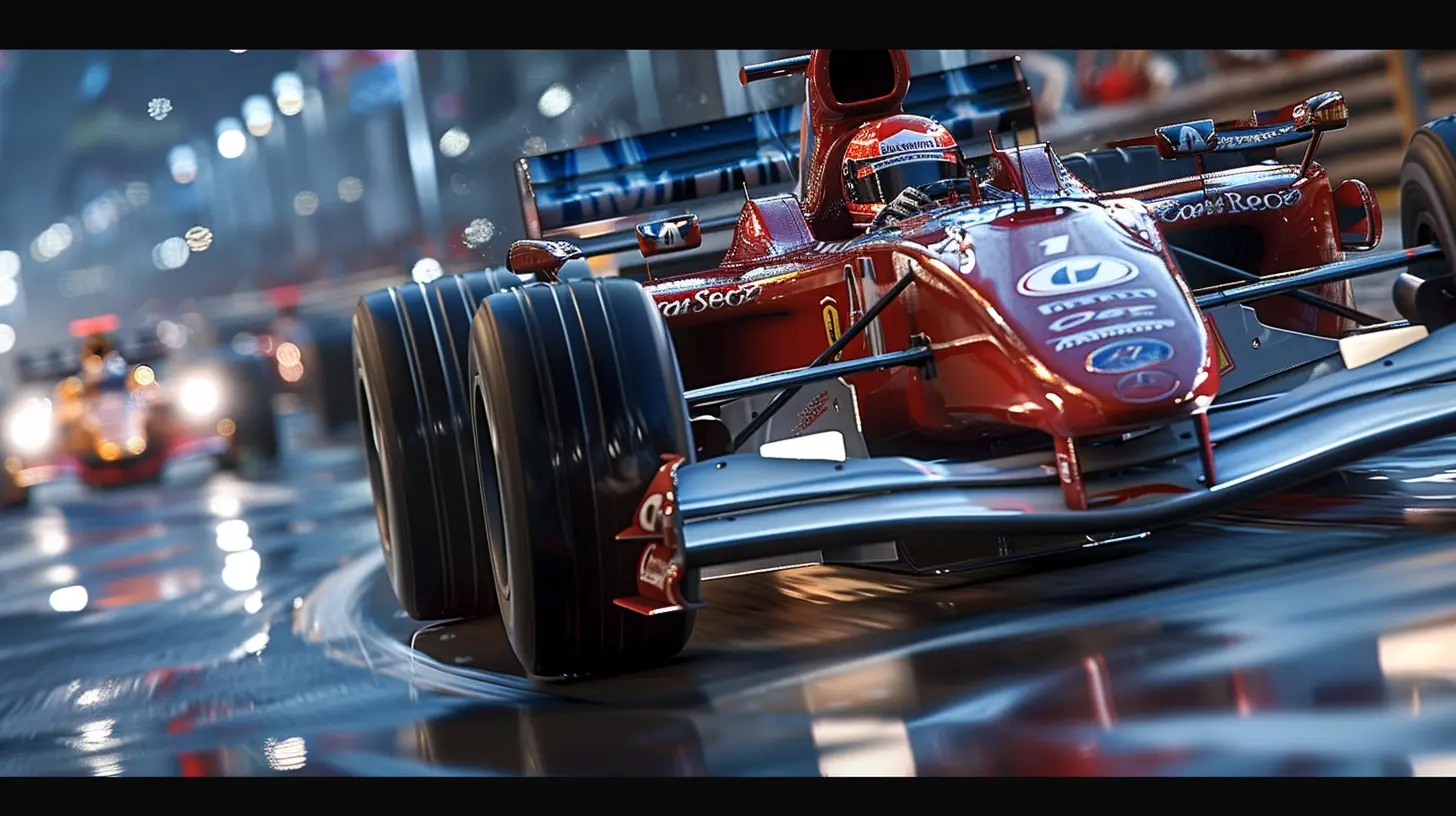
The Golden Age: Console Racing Hits the Tracks
As home gaming consoles gained popularity in the late ‘80s and early '90s, racing games screeched onto this new platform. This adaptation changed the game—pun totally intended.Rad Racer: Nintendo’s Jump Into the Driver’s Seat
Remember the Rad Racer on the NES? Released in 1987, it was an absolute banger. You weren’t just driving; you were cruising through 3D-ish environments (well, kind of). Toss in a rocking soundtrack and multiple vehicle options, and suddenly, kids like you and me were spending hours trying to beat high scores. Fun fact: It even came with 3D glasses for that extra cringe-worthy cool factor.Super Mario Kart: Racing Meets Chaos
Before we dive into the simulation-heavy titles, let’s give a shoutout to where many of us got our start: Super Mario Kart (1992). While this wasn’t exactly your “serious” racing game, it was groundbreaking in its own right. Why? Because it mashed up racing with multiplayer chaos. We’re talking banana peels, shells, and friendship-ruining competitiveness. Who among us hasn’t thrown a controller after hitting a blue shell on Rainbow Road?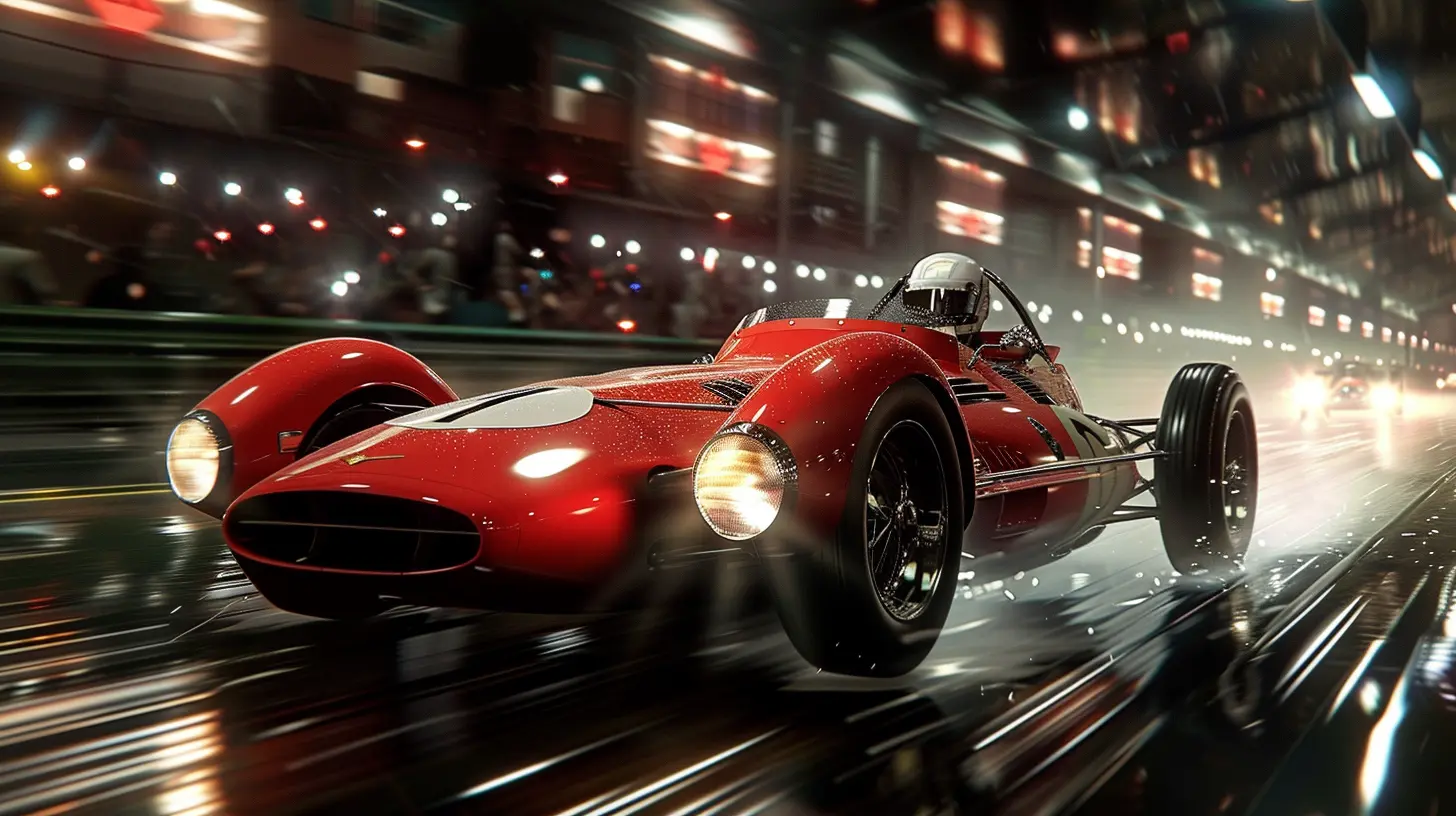
The Rise of Simulation: Enter the Realism Era
Racing games took a sharp turn (pun intended, again) in the mid-’90s. Developers started focusing on realism, creating games that weren’t just about driving fast but about driving well. This shift marked the era of racing simulators.Need for Speed: Style Meets Substance
If you were gaming in the ‘90s, you probably spent an inappropriate amount of time glued to Need for Speed. Debuting in 1994, the game balanced the line between arcade fun and realistic driving mechanics. Plus, it introduced exotic cars like the Ferrari Testarossa and Lamborghini Diablo to a whole generation of gamers.Need for Speed also had a vibe. Remember the FMV (full-motion video) replays and cheesy police radio chatter? Yeah, that was peak entertainment value.
Gran Turismo: The Simulation King
Then came 1997, and with it, Gran Turismo. If Need for Speed was a stylish blockbuster, Gran Turismo was the methodical documentary. Created by Polyphony Digital, this game was the first to offer true-to-life driving physics, a massive car roster, and painstakingly detailed tracks.Let’s not underestimate the pure grind of unlocking cars in the original Gran Turismo. This wasn’t just a game; it was a love letter to car enthusiasts. You spent hours tweaking gear ratios, tire pressure, and suspension. And when you finally nailed that perfect lap? Oh, the satisfaction was next level.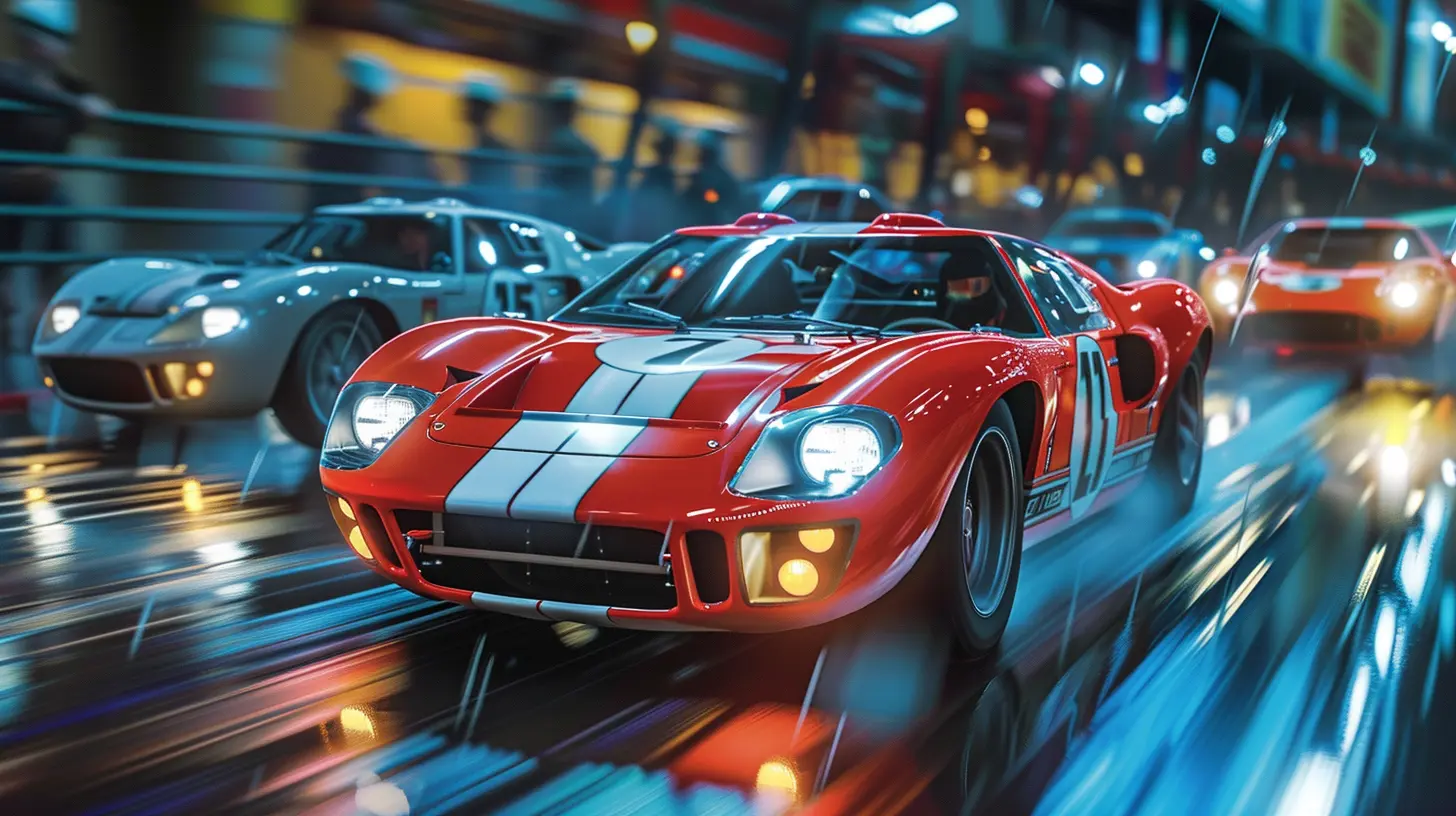
Burnout, Drifting, and Street Racing: The 2000s Call for Adrenaline
The 2000s brought us fast-paced action, nitrous boosts, and a rebellious side of racing games. It was the era of go big or go home.Burnout: Crashing Has Never Been More Fun
Who says racing has to be serious? The Burnout series crashed onto the scene (literally) in 2001 with a unique twist: rewarding players for risky driving and spectacular crashes. How often do you get style points for total carnage? It was gloriously over-the-top, and we loved every second of it.Midnight Club and the Underground Scene
Meanwhile, Midnight Club and Need for Speed: Underground tapped into a subculture that was gaining momentum in the early 2000s—street racing. They had neon-soaked visuals, customizable cars, and soundtracks you’d play on loop. These games weren’t just about hitting the finish line; they were about swagger, earning street cred, and showing off your souped-up ride.Modern-Day Marvels: When Racing Feels Real
Today’s racing games are so realistic it’s insane. We’re talking hyper-detailed car models, dynamic weather, and tracks that are accurate down to the last blade of grass.Forza vs. Gran Turismo: The Rivalry
If racing games were a motorsport championship, Forza Motorsport and Gran Turismo would be battling for pole position. While Gran Turismo continues to dominate with its meticulous realism, Forza (introduced in 2005) has given it a run for its money with its player-friendly design and stunning visuals.Both games have pushed the envelope so far, it’s almost unfair to call them “games.” They’re driving simulators, car museums, and technical showcases all rolled into one.
VR, Esports, and What the Future Holds
The future of racing games is looking brighter—and faster—than ever. With virtual reality tech, you can now sit in a simulated cockpit and feel every twist and turn. And let’s not forget esports, where racing games like iRacing are drawing in competitive gamers and professional drivers alike.So, what’s next? Self-driving cars that play racing games for us? Honestly, we wouldn’t put it past technology at this rate!
Final Lap: Why Racing Games Matter
Racing games aren’t just about cars and speed. They’re about the thrill of competition, the joy of mastering something insanely difficult, and, let’s be real, living out your dream of owning a Ferrari without taking out a second mortgage. From the pixelated tracks of Pole Position to the hyper-realism of Gran Turismo, racing games have carved out a special lane in gaming history.And here’s the best part: They’re not slowing down anytime soon. So, whether you’re a drift king, a simulation junkie, or someone who just enjoys tossing a red shell at your friends, there’s a racing game out there for you.
all images in this post were generated using AI tools
Category:
Gaming HistoryAuthor:

Madeleine McCaffrey
Discussion
rate this article
3 comments
Shiloh McIlroy
From dodging pixelated barrels in Pole Position to perfecting your drift in Gran Turismo, racing games have come a long way! Who knew turning left could be this much fun? Vroom vroom!
April 14, 2026 at 3:36 AM
Madeleine McCaffrey
Absolutely! It’s fascinating to see how racing games have evolved, blending nostalgia with advanced mechanics. From simple left turns to intricate drifting, the journey has been thrilling! Vroom vroom indeed!
Silas Sharpe
Great article! Love how it showcases the evolution of racing games through the years!
January 22, 2026 at 5:55 AM
Madeleine McCaffrey
Thank you! I'm glad you enjoyed it and appreciated the journey through racing games!
Delilah Blair
A fascinating look at racing games' evolution; highlights how innovation continually shapes the genre's appeal.
January 19, 2026 at 4:39 PM
Madeleine McCaffrey
Thank you! I'm glad you found the evolution of racing games intriguing—innovation truly drives the genre forward!