The Influence of Western Films on Classic Games
30 January 2026
Ah, the Wild West… dusty plains, duels at high noon, and the ever-iconic cowboy hat tipped low over squinting eyes. It's a setting steeped in grit, courage, and freedom. But let me ask you something—when did you first feel the weight of a six-shooter in your hand or the thrill of chasing down outlaws across sunset-lit canyons? Was it in a movie theater? Or maybe… behind a game controller?
If you've ever played a game that smelled of saddle leather, with whiskey-soaked saloons and blazing shootouts, chances are it owes a good ol’ debt to Western films. Yup, those cinematic odes to the lawless frontier didn’t just ride off into the sunset—they rode straight into pixelated worlds and helped shape the gaming landscape we know and love today.
In this long ride, we’ll rope in some legendary Western movie tropes and see how they galloped their way into classic games. So, saddle up, partner—it’s going to be one heck of a storytelling showdown.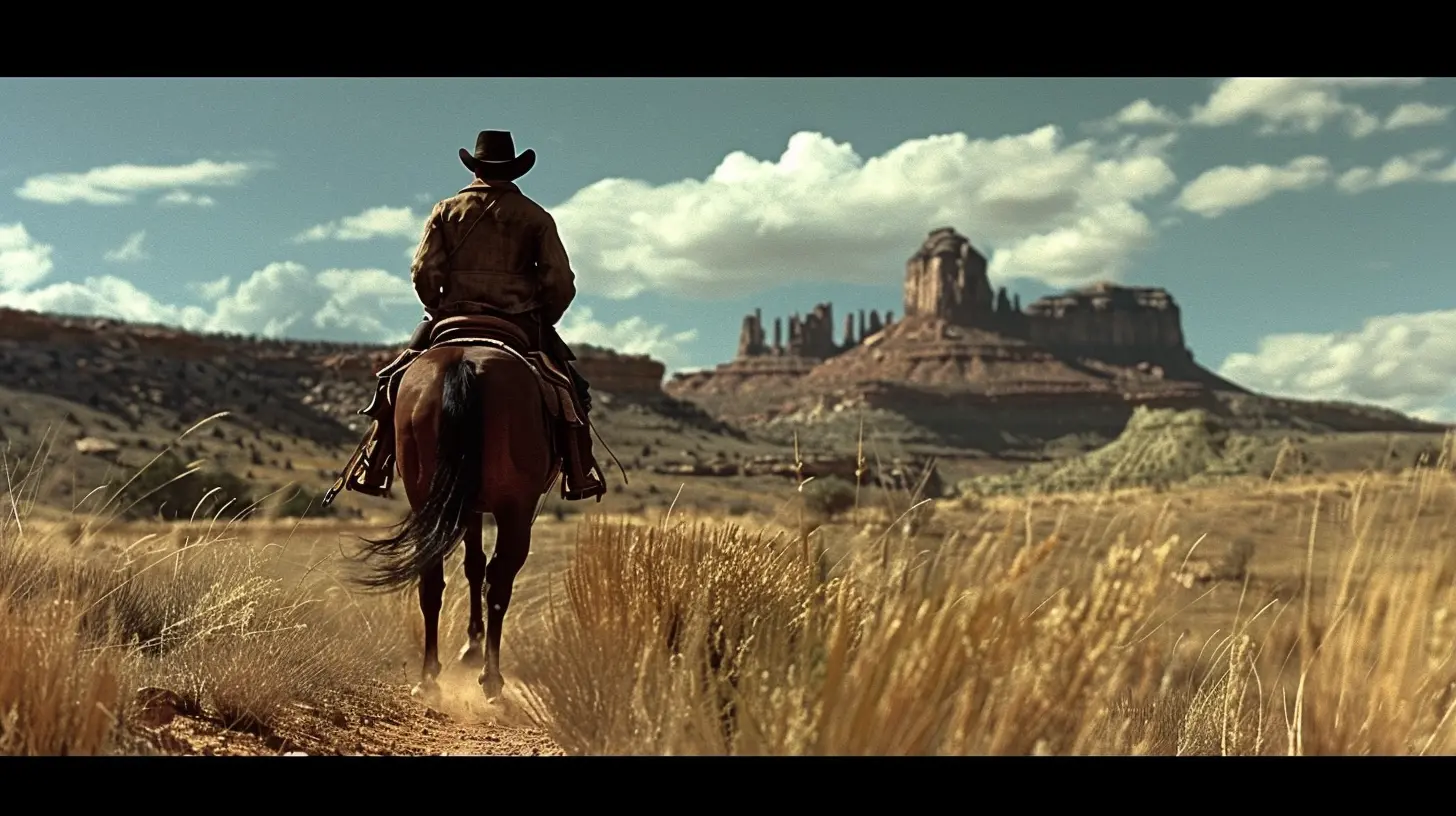
What Exactly Are “Western Films”?
Let’s set the stage. Western films were born out of American folklore. Think lonely gunslingers, dusty towns, Native American tribes, and the eternal duel between good and evil. These movies reached their peak around the 1950s and ’60s, with Clint Eastwood, John Wayne, and the haunting harmonica from Ennio Morricone’s scores leading the charge.But here's the kicker—they weren't just about shootouts. Westerns delved into morality, justice, and identity. Whether it was a lone ranger haunted by his past or a sheriff standing tall against the odds, these films were rich in character and conflict. It’s no wonder they left their fingerprints all over early gaming.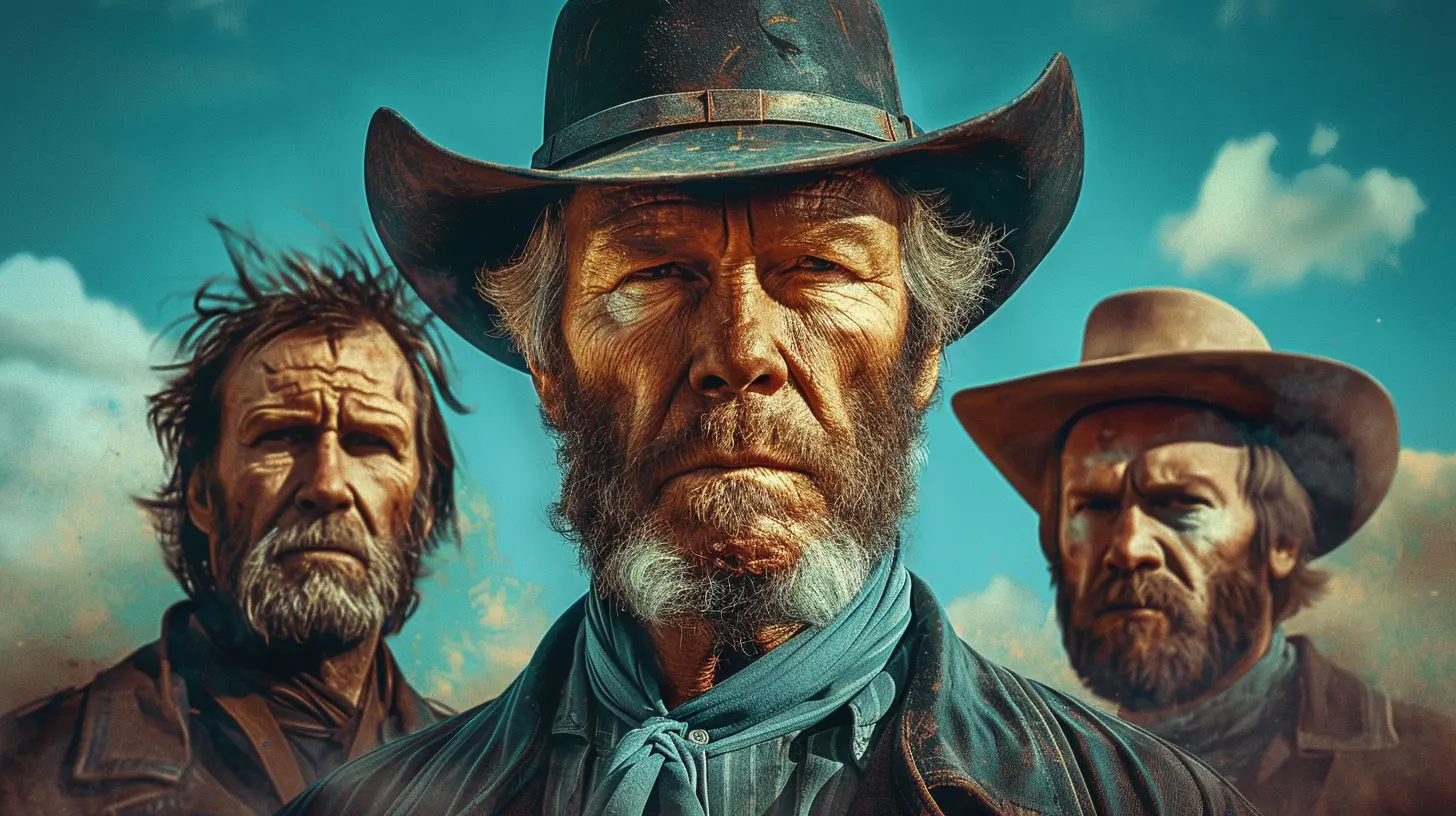
Western Tropes That Galloped Into Games
1. The Lone Gunman
Every cowboy needs a code. And every classic game needs a protagonist. From Clint Eastwood’s “Man with No Name” to the lonesome heroes of dusty trails, the archetype of a rugged individualist set the tone for characters in early games with Western flavor.Take Outlaw (1976), one of the earliest examples—just two gunslingers in a duel. Or Sunset Riders (1991), where you could choose from four bounty hunters, each with that “last man standing” vibe. These characters didn’t walk into towns—they strutted with purpose, guns holstered but ready.
2. Showdowns & Stand-offs
You know the classic scene—spurs clinking, showdown at high noon. Eyes locked. Fingers twitching above holsters. Boom.That cinematic tension found a second home in games. Developers realized that nothing screamed "player engagement" like a high-stakes duel. Red Dead Revolver and its successor Red Dead Redemption practically built their systems around it. Even in Call of Juarez, you had to time your draw like your life depended on it (because, well, it did).
These moments paid homage to dramatic Western standoffs. In games, they became gameplay mechanics—reaction time, precision, and a whole lotta swagger.
3. Morality in the Mojave
Western films weren’t always black-and-white. They grappled with moral ambiguity. The “hero” could have blood on his hands. The “villain” might save a child. That complexity nudged its way into gaming too.Games like Red Dead Redemption didn’t just let you ride a horse and shoot bandits—they forced you to face your own choices. Save or rob? Kill or spare? Western storytelling taught games that moral dilemmas make for powerful, immersive narratives.
4. Open Worlds & Frontier Exploration
What’s the Old West without vast landscapes? Endless deserts, snowy peaks, ghost towns—it’s all yours for the taking.Western films worshipped the land. And games took that reverence and built immersive open worlds. Gun, Desperados, and of course, Red Dead Redemption 2—these games leaned hard into exploration. They gave players the freedom to roam, to hunt, to just… exist in the Wild West.
Compare this with older games like The Oregon Trail, which, while more educational, still evoked that journey-through-the-unknown vibe straight out of a Western.
Classic Games That Owe a Saloon Toast to Westerns
Red Dead Redemption Series
Cliche? Maybe. But it’s undeniably the gold standard. Rockstar lovingly infused these games with every Western trope imaginable. Train heists? Check. Saloon brawls? Double check. The haunting guitar riffs and open prairies? Pure cinema.But more than that, they gave us complex characters. John Marston and Arthur Morgan weren’t just pixelated vigilantes—they were reflections of the flawed, nuanced heroes of Western films.
You could write an entire poem about how these games carried the soul of Sergio Leone’s filmography on their dusty shoulders.
Sunset Riders
Now here’s a throwback. Released in arcades back in 1991, Sunset Riders was a bright, colorful, side-scrolling shooter where bounty hunters chased bad guys across an exaggerated Wild West. It was cheesy, it was loud—it was pure arcade gold.Despite its cartoony exterior, it was packed with everything a Western lover could want—duels, outlaws, dynamite-chucking villains, and barroom brawls. It gave kids of the '90s their first taste of cinematic gun-slinging without having to sneak into an R-rated John Wayne flick.
Oregon Trail
Okay, okay, this one’s a little off the beaten path. But hear me out.While not a shoot-em-up Western, The Oregon Trail captured the essence of pioneering—hardship, survival, and the constant push Westward. Its educational shell masked a game steeped in the same spirit as early Western flicks. The land was dangerous, unforgiving, and full of choices—like any good Western narrative.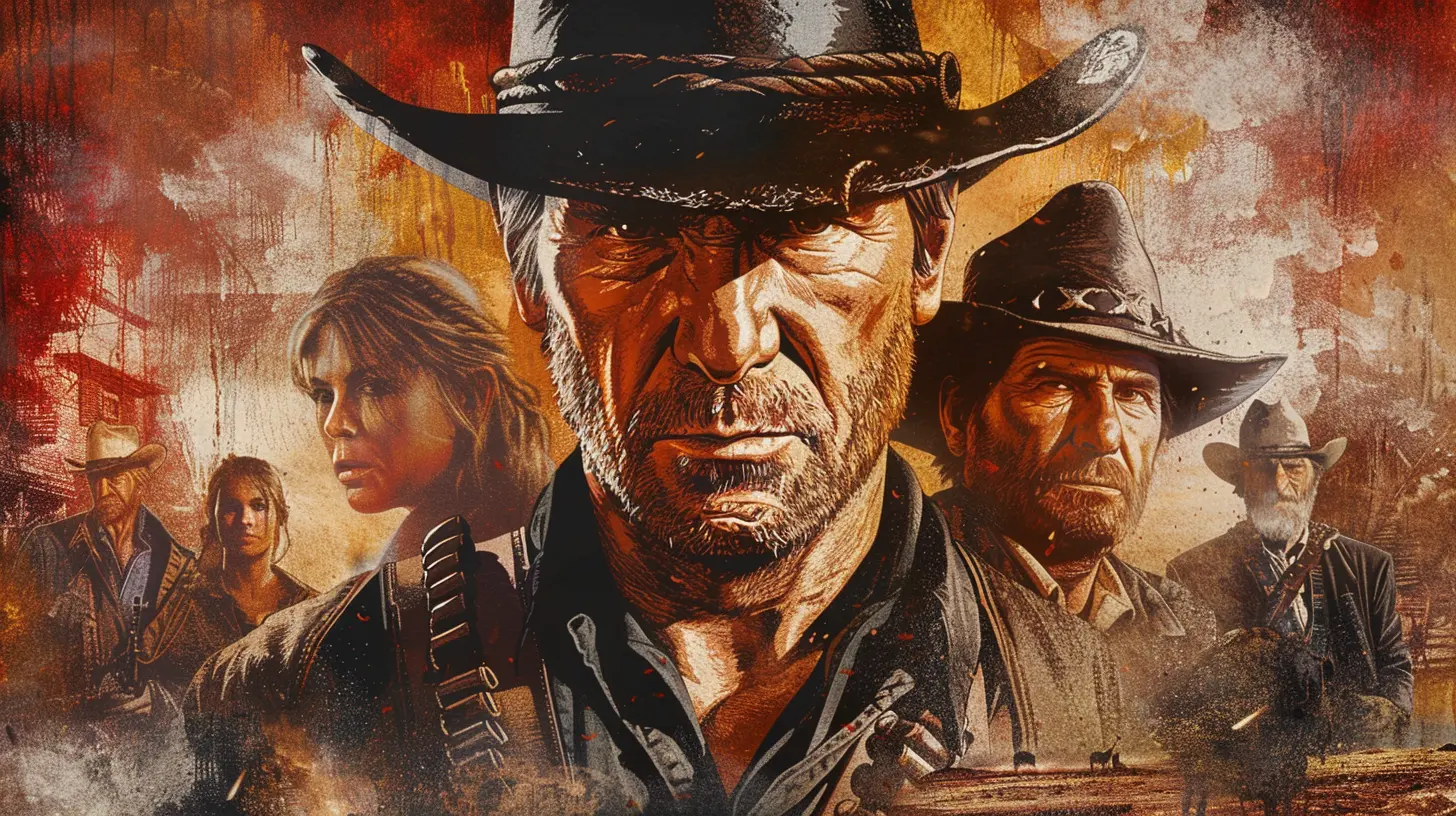
How Western Film Soundtracks Tuned Our Gaming Ears
Ever heard a game soundtrack and thought, “Wait, that sounds like it belongs in a spaghetti Western”?That’s no coincidence. Composers often took cues from Ennio Morricone’s sweeping, dramatic scores. The lonely whistle. The twangy guitar. The building tension before an ambush. These sounds became synonymous with freedom and danger.
Games like Red Dead Redemption and indie darlings like Westerado leaned into this soundscape to add emotional layers. Music wasn’t just background—it was storytelling. It gave the player not just the world, but the mood. The melancholy of a lost friend. The thrill of a chase. The stillness before a storm.
Indie Games & The Western Renaissance
Let’s not forget the indie scene, which has done a phenomenal job keeping the Western spirit alive—and twisting it in clever ways.Take Westerado: Double Barreled. It’s quirky, pixelated, and hilariously meta. But at its heart? A gritty revenge tale ripped right from the dusty reels of a 1960s Western.
Or Hard West, which blends supernatural horror with classic Western themes. Imagine dueling demons as a cursed outlaw. It’s like The Good, The Bad, and The Ugly met Supernatural in a dark alley.
These games, though not blockbusters, embody everything Western films taught us—moral conflict, stylistic flair, and a good dose of weird.
Why Westerns Still Work in Gaming (Even Today)
So, why do Westerns still hit us right in the feels, even in the age of sci-fi shooters and fantasy RPGs?Simple. They’re timeless.
Westerns are about survival. About ethics. About carving out a place in the world when the rules don’t work anymore. These themes are universal. Maybe it’s a cowboy’s revolver today, a space blaster tomorrow—but the story, the heart? It stays the same.
Games let us live that story. They give us agency. In a film, we watch the cowboy make his stand. In a game, we make that stand ourselves.
The Last Word: Riding Into the Sunset
Western films gave us more than clichés and cowboy hats. They gave games a foundation to build on—morality systems, iconic characters, breathtaking worlds, and unforgettable tension. They taught developers how to craft a story where a man (or woman) stands alone against the odds.And as long as players crave a tale of honor, redemption, and freedom—there'll always be room in our hard drives for a good Western game.
So next time you hear the wind howling across a digital canyon and see your character riding into the sunset, tip your hat to the silver screen legends who paved the way. The influence of Western films on classic games? It’s set in stone, partner—etched into the trail forever.
all images in this post were generated using AI tools
Category:
Gaming HistoryAuthor:

Madeleine McCaffrey
Discussion
rate this article
3 comments
Falkor Romero
Great article! It's fascinating how Western films shaped classic games, blending storytelling and gameplay in unforgettable ways. Keep up the good work!
April 23, 2026 at 5:01 PM
Madeleine McCaffrey
Thanks for your kind words! I'm glad you found the connection between Western films and classic games intriguing.
Mistral Kelly
Great insights! Love the connections!
February 1, 2026 at 5:58 PM
Madeleine McCaffrey
Thank you! I’m glad you enjoyed the connections made in the article!
Korian Jordan
This article brilliantly highlights the intricate connections between Western films and classic games. It's fascinating to see how cinematic storytelling has shaped gameplay and design. Your insights spark nostalgia while encouraging a deeper appreciation for both mediums. Excited to learn more about these cultural intersections!
January 31, 2026 at 3:40 PM
Madeleine McCaffrey
Thank you for your thoughtful comment! I'm glad you found the connections between Western films and classic games intriguing. There's so much to explore in these cultural intersections!