When Emotes Tell the Whole Story
11 December 2025
Gaming has evolved far beyond just fast reflexes and button-mashing. These days, a raised eyebrow, a sarcastic clap, or even a cheeky dance can speak louder than any mic could. Welcome to the world where emotes don’t just decorate gameplay—they drive it. From Fortnite’s flossing moves to Overwatch's victory poses, emotes have carved out a powerful, often hilarious, communication language that every gamer understands.
Let’s break it down and dive headfirst into the colorful, silent language of emotes—their impact, evolution, and the surprising ways they shape the way we play.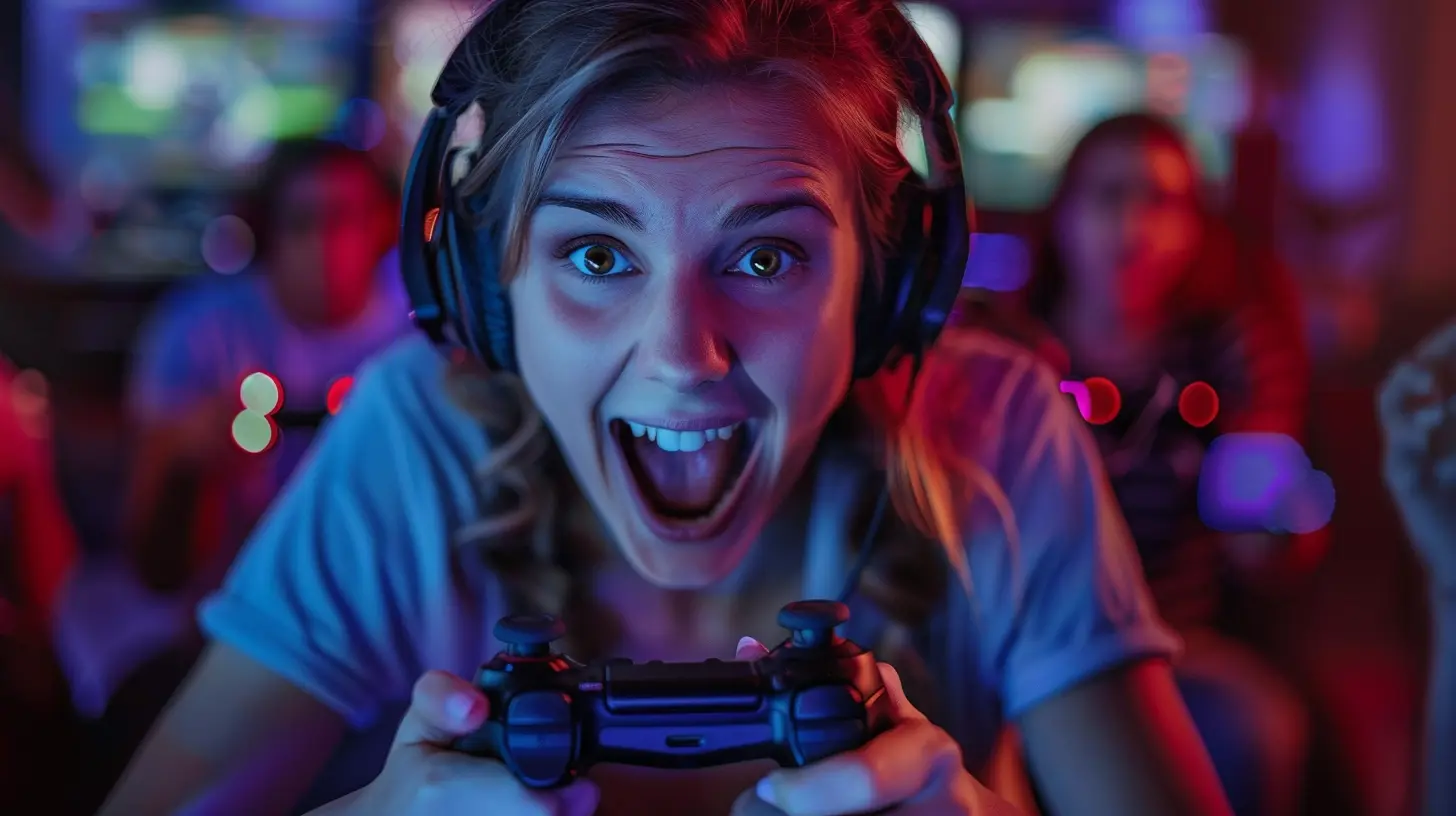
What Exactly Are Emotes?
If you're scratching your head, wondering, "Wait, what are emotes again?"—no worries. Emotes are in-game animations or expressions that players use to communicate non-verbally. Think dancing, waving, face-palming, or taunting. They're like the emojis of video games—only cooler and way more interactive.They're not just random animations either. In many games, emotes are built-in tools for communication, meme-making, or even psychological warfare. Yup, nothing stings more than getting eliminated in-game and watching your opponent drop a victory dance on your virtual grave. Brutal, right?
The Rise of Emote Culture in Gaming
Emotes didn’t just appear out of nowhere. They’ve evolved alongside the games themselves.The Early Days
Back in the early 2000s, MMORPGs like World of Warcraft introduced text-based emotes. Type "/dance", and your character would bust a move. Back then, they were more about fun than function—a way to spice up interactions or kill time during screen loads.The Fortnite Phenomenon
It wasn’t until Fortnite came along that emotes really exploded into the mainstream. Epic Games dropped emotes that were catchy, meme-worthy, and perfectly timed with internet culture. Suddenly, doing the “Floss” or “Take the L” wasn’t just hilarious—it was iconic.These dances and actions became so famous that they crossed into real-world pop culture. Heck, even celebrities and athletes were busting them out on live TV. That’s when the industry realized: emotes weren’t just add-ons—they were main attractions.
Why Players Love Emotes
Here’s the deal—emotes add flavor to gameplay. They’re the seasoning on your digital meal.1. Expressing Emotion Without Speaking
Ever been in a match where your mic wasn’t working, or you just didn’t feel like talking? Emotes to the rescue. A simple wave can say hello. A head shake can mean “Nope, not going that way.” And a facepalm? Well, we all know what that means.2. Celebrating in Style
Just scored the final blow? That calls for a dance-off. Emotes are the digital equivalent of a victory lap. They celebrate moments, big or small, and let you show off a little flair.3. Building Community
Believe it or not, emotes help build friendships. Shared dances or synchronized emotes bring players together—even from opposite sides of the world. It’s like bonding over an inside joke. Doesn’t matter what language you speak—everyone gets the joke when you all start doing the “Gangnam Style” dance in a raid lobby.
When Emotes Become the Story
Sometimes, emotes don’t just add to the story—they are the story. Let’s look at some iconic moments.Fortnite’s Silent Showdowns
Imagine this: two players left in a Fortnite match. They meet, stare at each other, weapons lowered. One slowly pulls out a dance emote. The other joins in. No shots fired—just two players having a dance party in a game that’s supposed to be about survival. That moment? It’s unforgettable, and it all happened through emotes.Dark Souls’ Bow of Respect
If you’ve played the Dark Souls series, you know the community is all about respect. After a fair duel, it’s not uncommon to see a player bow in appreciation—even to the one they just defeated. A simple emote transforms a brutal, unforgiving world into a place of honor and camaraderie. That’s powerful storytelling, without a single line of dialogue.Among Us – The Ultimate Emote Playground
In a game with no voice chat and only basic visuals, Among Us players developed their own emote language through movement. A quick jiggle side-to-side might mean “I trust you.” Standing still for too long? That’s suspicious. It’s a silent film of deception and trust—all told through movement.Psychological Warfare: When Emotes Are Weapons
Let’s be real—emotes can be downright savage.Victory Dances That Sting
We’ve all been there. You get defeated, the screen fades, and just before it does—you see the other player doing the “Take the L” emote. Ouch. That’s salt in the wound.Bait and Bluff
Some players use emotes to mess with their opponents’ heads. Pretend to cry? They might think you’re weak. Cheeky dance mid-fight? You’re either insane or stupidly confident. Either way, it throws people off their game.The Fake Friendly
One of the sneakiest moves in the book—use a friendly emote, get close… then attack. It’s a risky move, but if pulled off, it’s legendary. Think of it as the digital version of a Trojan horse.Emotes and the Meta Game
You might think emotes are just for laughs, but they can influence the meta—that is, the overarching playstyle or tactics in a game.Distraction or Strategy?
In fast-paced shooters, some players use emotes to distract. A sudden dance emote might confuse an opponent for just long enough to land a kill. It's unconventional, sure, but hey, if it works—it becomes part of the strategy.Psychological Conditioning
If a known pro keeps using one emote before every match, it can become part of their persona. Opponents see it and start associating it with dominance. That tiny clip of animation becomes a powerful mental cue.The Business Side of Emotes
Let’s not ignore the elephant in the room—money.Microtransactions Galore
Game publishers quickly realized that emotes can be money-makers. Players are willing to cough up cash for that perfect dance, taunt, or pose. Entire marketplaces exist for purchasing emotes, often with seasonal or limited-time exclusives.Cosmetics with Character
Emotes aren’t just cosmetic—they carry personality. If your avatar’s got the right moves, it says something about YOU. Savvy players pick emotes that reflect their playstyle or sense of humor. It's digital fashion with a twist.The Future of Emotes: Where Are We Headed?
With the rise of VR and AI, emotes are about to level up.Real-Time Facial Emotes
Games like VRChat already allow players to use facial tracking to translate real-world expressions into their avatars. Imagine smirking in real life and having your character do it too. That’s not science fiction—it’s already happening.AI-Powered Emotes
Game devs are experimenting with AI-generated emotes that respond to context. Instead of choosing from a menu, your character might automatically react—a sarcastic slow clap for a teammate’s blunder, or a shiver during a cold scene. Wild, right?Cross-Platform Shared Language
As gaming communities grow more connected, emotes may become universal. Imagine a common set of emotes that work across games and platforms. A bow is a bow, whether you’re in Fortnite, Elden Ring, or Call of Duty.Why Emotes Matter More Than Ever
In a time where online interaction is key, and physical presence is often limited, emotes allow us to feel something real through a screen.They can be funny or heartfelt, savage or subtle. They build bridges, start rivalries, and create unforgettable moments. Whether you're taunting an enemy, bonding with a teammate, or just vibing mid-match, emotes make the digital world feel a little more human.
Final Thoughts
Gaming isn’t just about winning anymore—it’s about expressing, connecting, and storytelling. And emotes? They're the unsung heroes of that evolution.In the right hands, a simple wave or sarcastic shrug can speak volumes. Sometimes, an emote says more than a headset ever could.
So next time you boot up your favorite game, don’t just load your weapons—load up your emotes. You never know when you’ll need to laugh, cry, dance, or just silently say, “GG.
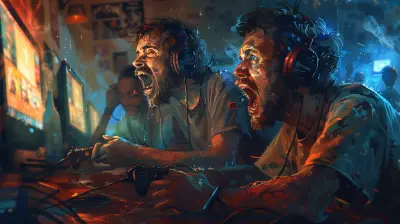
all images in this post were generated using AI tools
Category:
Funny Gaming ClipsAuthor:

Madeleine McCaffrey
Discussion
rate this article
3 comments
Fatima Roth
Who needs a five-paragraph essay when a well-timed emote can say 'I’m happy, hungry, and slightly confused' all at once? Emotes: the ultimate multitaskers of the gaming universe!
March 30, 2026 at 4:23 AM
Madeleine McCaffrey
Absolutely! Emotes capture complex emotions efficiently, proving that sometimes a picture is worth a thousand words—even in gaming!
Fiona Sawyer
Thank you for this insightful article! It’s fascinating how emotes can convey emotions and narratives in gaming. They enrich the experience and allow players to communicate in unique ways. I appreciate your perspective on their importance in storytelling within games!
December 12, 2025 at 5:59 PM
Madeleine McCaffrey
Thank you for your kind words! I'm glad you found the article insightful. Emotes truly do enhance storytelling in gaming!
Simone Webster
Emotes elevate storytelling in games!
December 11, 2025 at 5:39 PM
Madeleine McCaffrey
Absolutely! Emotes add depth and emotion, allowing players to connect with characters and narratives in a unique way.