When Game Characters Break Character
18 August 2026
Ever been deep into a game and thought to yourself, “Wait… did that just happen?” Maybe your favorite gruff, no-nonsense war hero suddenly cracked a corny dad joke. Maybe the silent protagonist dropped a one-liner out of the blue. Or maybe a formerly tragic villain had a moment that was just way too wholesome.
When game characters break character, it’s like seeing your teacher at the grocery store — it’s jarring, a little funny, and sometimes oddly heartwarming. These moments can completely shift our perception of the game world. But why do they happen? And are they clever storytelling, accidental glitches, or just devs having some fun?
Let’s dive into this odd and fascinating phenomenon of when game characters decide to go rogue… from their own personalities.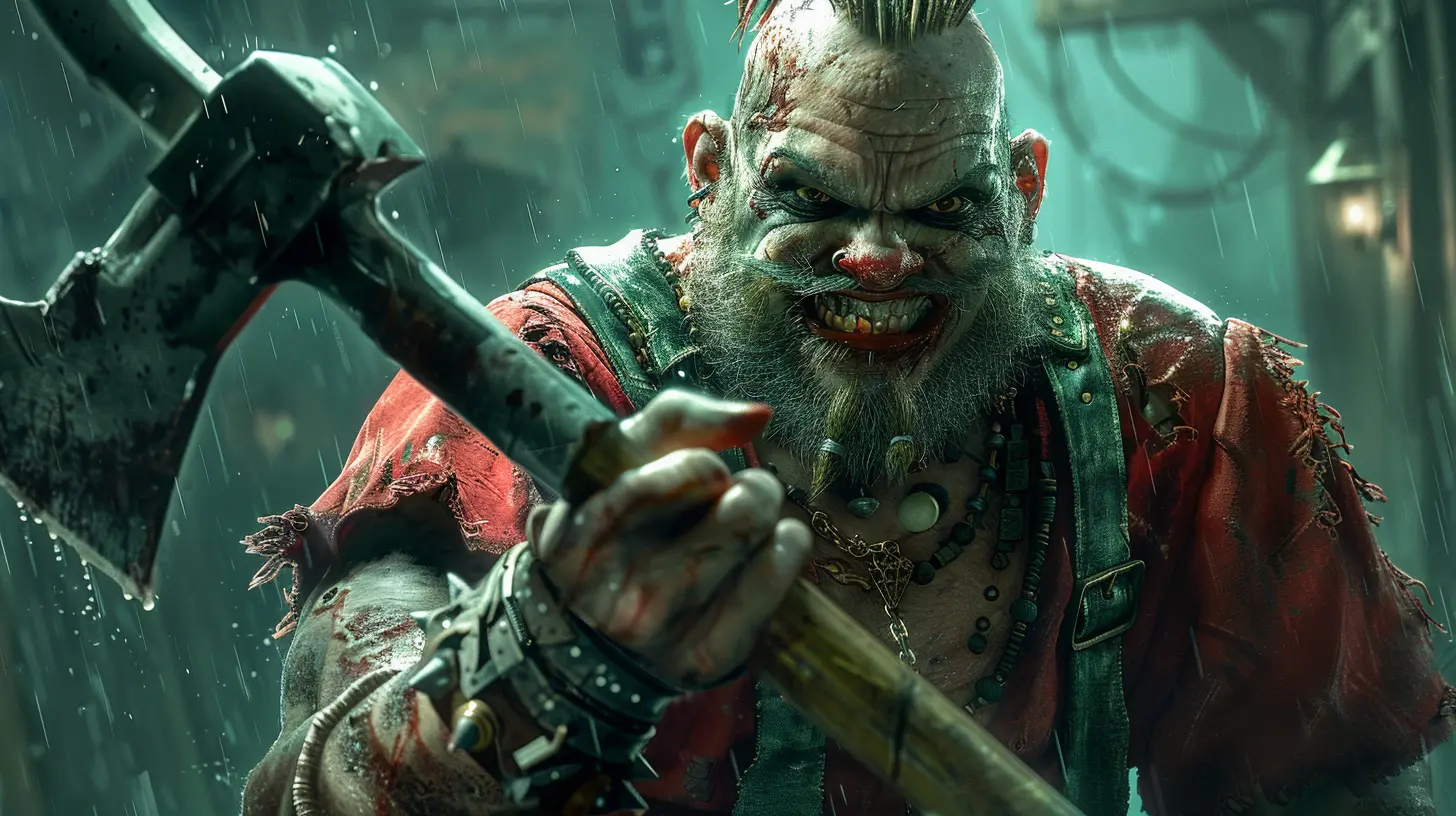
What Does "Breaking Character" Even Mean?
In games, we get attached to characters. They feel real because they’re consistent — their actions, dialogue, and emotional responses all make sense based on the world they live in. But when a character suddenly acts in a way that breaks from who they’re supposed to be, we notice. It’s like if Kratos from God of War suddenly started dancing to Taylor Swift mid-battle — not exactly “on-brand,” right?This is what we mean when we say a character “breaks character.” It’s a noticeable shift in behavior, tone, or dialogue that doesn’t quite fit with what we expect the character to do.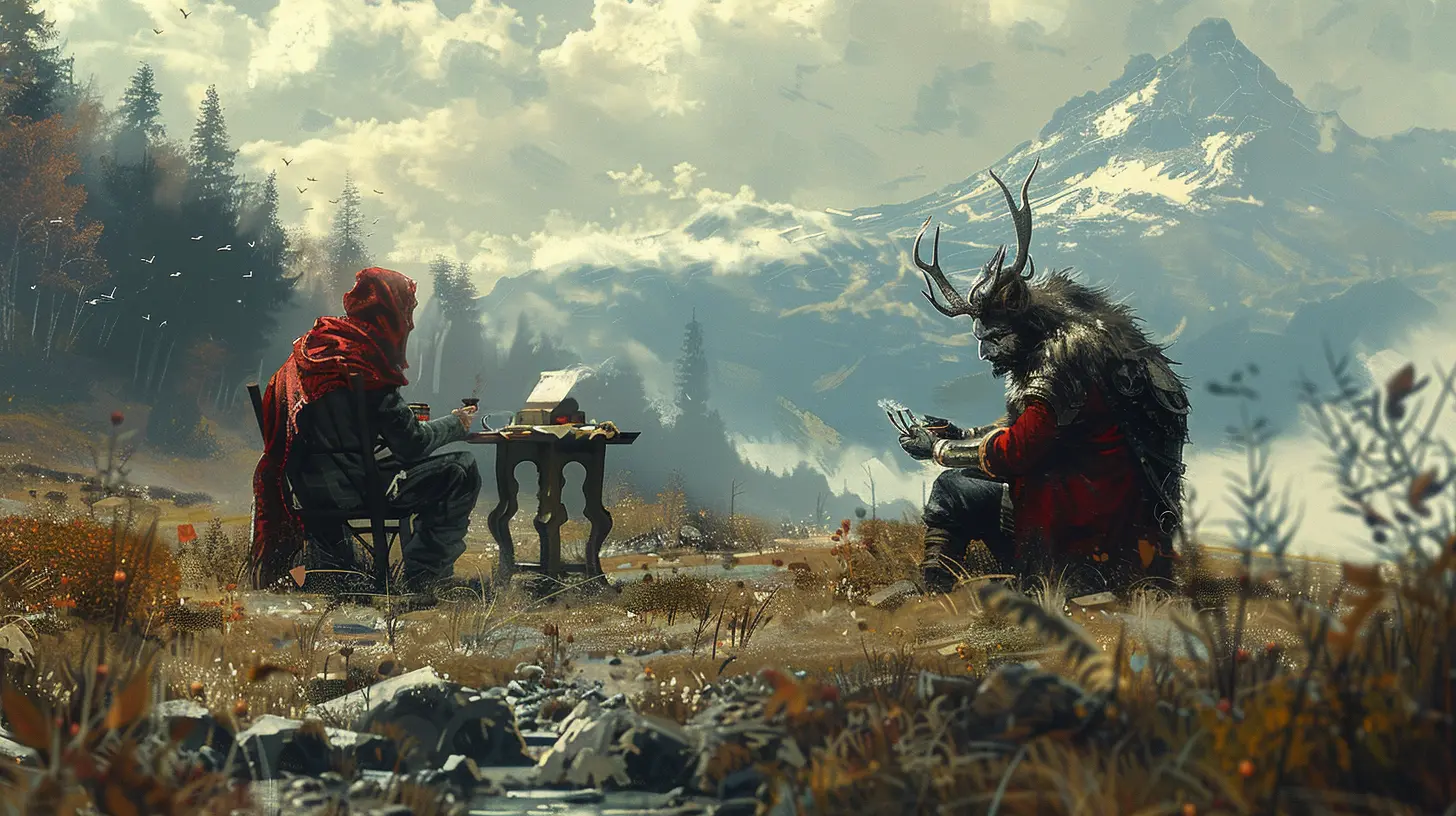
Why Do Game Characters Break Character?
There are a few big reasons this happens, and not all of them are mistakes. Sometimes it’s intentional, other times—well, it’s just plain weird.1. For Comic Relief
Let’s face it: games can be heavy. War, betrayal, loss — it can get pretty grim. So sometimes, devs throw in a moment of humor to lighten the mood. And who better to deliver that laugh than the most serious character in the game?Think of Master Chief from Halo. The guy is basically a walking tank with no time for nonsense. But even he has had a few tongue-in-cheek moments that made fans chuckle. These little moments help break tension and show that even the deadliest heroes have a funny bone (buried deep, very deep).
2. Easter Eggs and Hidden Surprises
Sometimes a character breaking character isn’t part of the main story at all — it’s tucked away in a hidden cutscene or triggered by something most players won’t even notice.In the Metal Gear series, Hideo Kojima is notorious for rewarding curious players with weird or hilarious scenes. Remember when Psycho Mantis reads your memory card in Metal Gear Solid? That’s not just fourth-wall-breaking; that’s a full-on personality detour for a villain we’re supposed to fear.
These surprises are treats for players who go off the beaten path. Kind of like finding your strict boss doing karaoke on a Friday night — totally unexpected, and super entertaining.
3. Glitches That Lead to Gold
Not every character break is purposeful. Sometimes it’s just the game engine going off the rails.Maybe a serious NPC suddenly T-poses mid-speech, or a villain randomly spouts friendly dialogue meant for a companion. These glitches are often bugs, sure — but they’re hilarious. And sometimes? They're unforgettable.
In Skyrim, for example, guards can switch from threatening you one second to complimenting your armor the next. It doesn’t make sense, but it’s peak Skyrim. These happy accidents can become memes, stories, and beloved oddities in gaming communities.
4. Meta Commentary and Breaking the Fourth Wall
Occasionally, characters break character on purpose to talk directly to you—the player.Games like Undertale and The Stanley Parable thrive on this. Characters in these games are hyper-aware they’re in a game. They bend rules, change the world, and even mess with your save files. It’s trippy, unsettling, and smart.
These character breaks aren’t just weird; they’re thought-provoking. They ask us questions: What does it mean to have agency in a game? Who’s really in control here?
When characters step out of their roles to acknowledge the game itself, it blurs the lines between player and character, fiction and reality.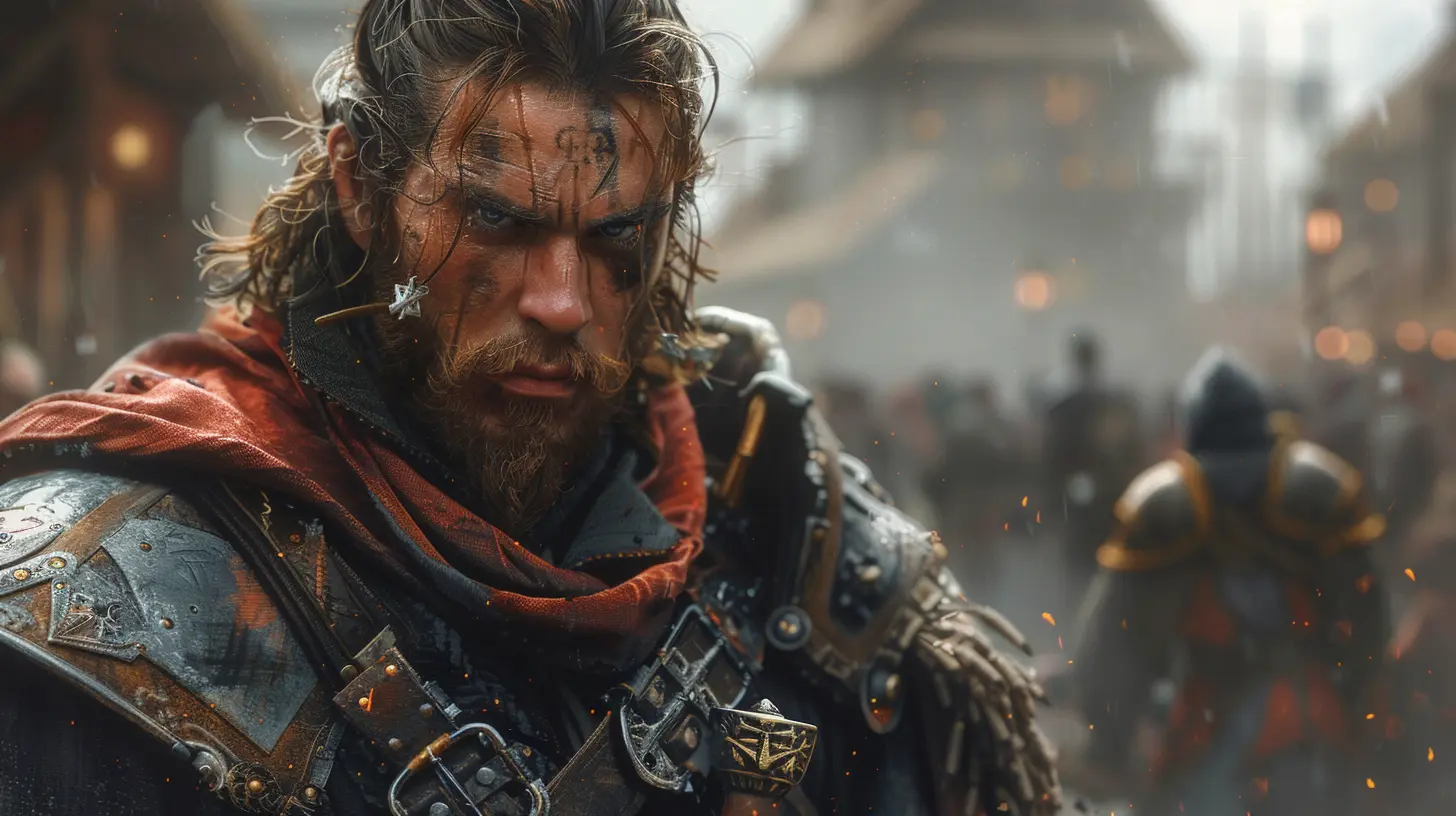
Memorable Moments of Characters Breaking Character
Let’s take a stroll down memory lane and look at a few standout examples where characters turned the tables on us — in the best way.Geralt of Rivia – The Witcher 3
Geralt is the grumpy, scarred monster hunter we all love. He’s serious, stoic, and built like a medieval tank. But toss him into some of the game’s more bizarre side quests, and you’ll see another side of him.There’s a scene where Geralt ends up in a play, trying to deliver lines in the most wooden way possible. It’s hilarious and awkward — and totally out of character. But it works, because it shows the human (well, mutant) behind the swords.
Trevor – Grand Theft Auto V
Trevor is chaos incarnate, but even he has moments that make you go, “Wait, what?”Like when Trevor randomly sits down to watch TV or have deep (and surprisingly philosophical) conversations. It’s weird seeing someone so unhinged behave somewhat normally. But it adds layers to his character — layers that leave you uncomfortably intrigued.
Claptrap – Borderlands
Okay, Claptrap is basically a walking, talking character break. He’s loud, obnoxious, and constantly doing things that make no sense for a robot in a dystopian wasteland. But that’s the charm. He’s the comic relief in a game filled with guns and gore.And while he’s technically “in-character,” his quirky moments often stray so far from the tone of the game that it feels like he’s on another show entirely.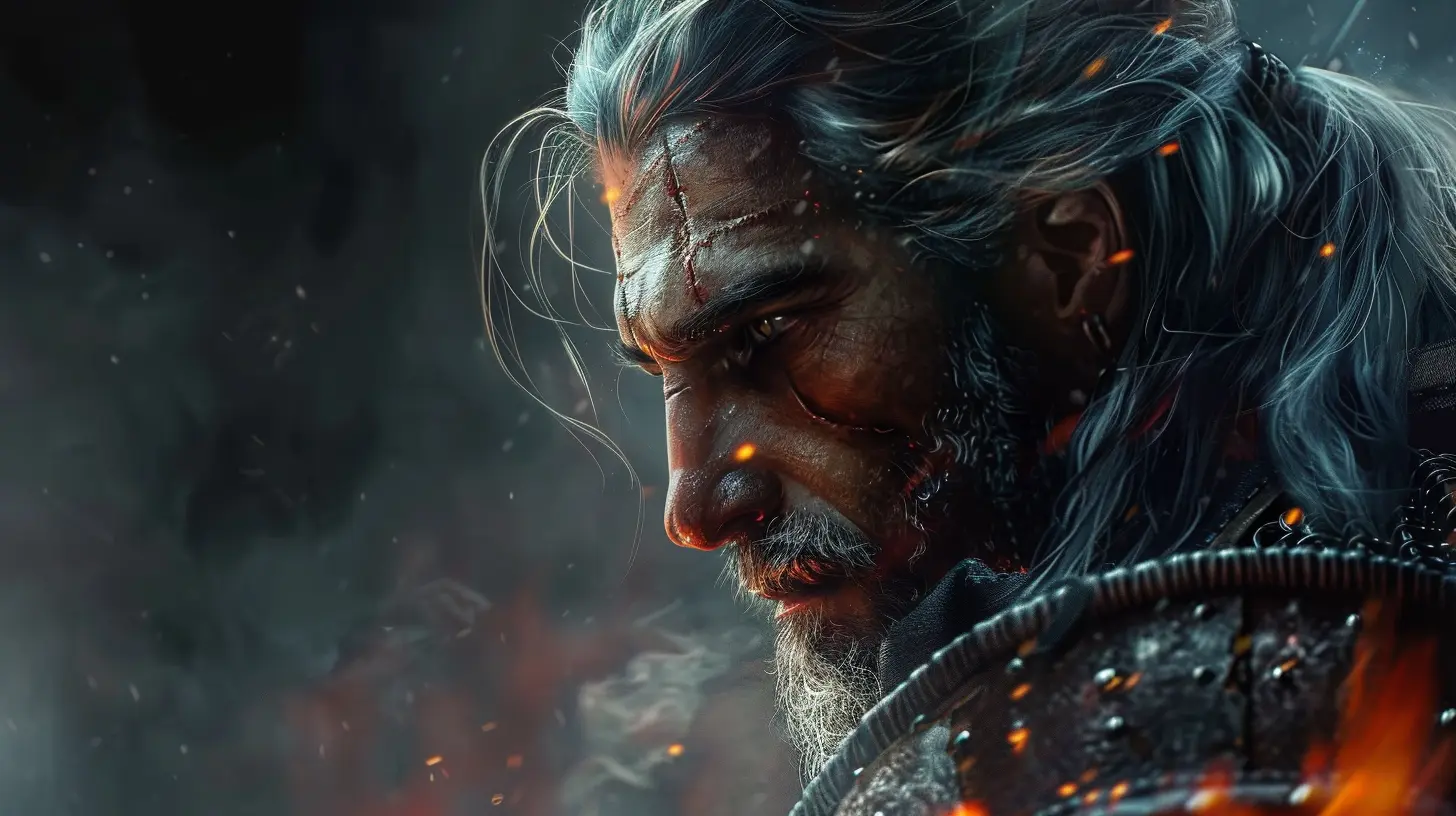
When Breaking Character Goes Wrong
Not every character break is welcome.Sometimes, it’s jarring enough to ruin immersion. If a character suddenly acts in a way that contradicts everything you know about them — and there’s no narrative reason — players get confused, even annoyed.
Imagine if Joel in The Last of Us suddenly started cracking fart jokes after a major death scene. That would feel incredibly out of place, right?
It’s a fine line between a character breaking character for narrative effect… and just plain bad writing.
Is It Bad Game Design or Brilliant Writing?
Honestly, it depends on execution.If the tonal shift is subtle, funny, or tied into the game’s themes — it can be brilliant. It gives characters depth, makes the world more dynamic, and creates memorable moments for the player.
But if it’s poorly timed, inconsistent, or just comes out of nowhere? Then yeah, it feels lazy or unpolished.
It’s like seasoning food — too little and it’s bland, too much and it’s overwhelming. The trick is balance.
What Does It Mean for Players?
When characters break character, it snaps us out of autopilot. Suddenly, we’re paying attention again. We're laughing. We're confused. We’re posting clips to Reddit.These moments stick with us. They add color and chaos to otherwise linear worlds. They remind us that games aren’t just scripted experiences. They’re alive with possibilities, surprises, and—yes—even dancing Kratos moments waiting to happen.
Final Thoughts: Embrace the Weirdness
At the end of the day, gaming is about immersion — but it’s also about fun. When characters break character, it can feel like the cracks in the “immersion wall.” But those cracks let in moments of humor, humanity, and heart.Not every game needs to be deadly serious. Sometimes, letting a character go off-script (even just a little) makes the game feel more real… because real people are unpredictable too.
So next time a brooding hero makes a dad joke, or your villain admits they like kittens, don’t roll your eyes — lean in and enjoy the ride. Because these moments? They’re the ones you’ll remember.
all images in this post were generated using AI tools
Category:
Funny Gaming ClipsAuthor:

Madeleine McCaffrey
Discussion
rate this article
2 comments
Trinity Wells
Game characters breaking character adds depth, humor, and surprises that engage players in unique ways.
October 1, 2026 at 3:18 PM
Veda Lane
When characters step beyond their scripted boundaries, they reveal layers of humanity that resonate with our own struggles.
August 25, 2026 at 3:15 PM
Madeleine McCaffrey
Absolutely! When characters go off-script, they show us their true selves, making their journeys feel more real and relatable.