Why Some Game Franchises Never Lose Relevance
21 May 2026
Ever wonder why certain game franchises just never seem to fade away? While some games hit the shelves, make a splash, and then vanish into the sea of forgotten titles, others stay strong for decades. Yep, I’m talking about those legendary series that have managed to hold our attention, generation after generation—franchises like Mario, The Legend of Zelda, Call of Duty, Pokémon, and Final Fantasy.
But what’s their secret? Why do some game franchises never lose relevance while others barely survive a few years? In this article, we’re diving deep into the magic behind timeless video game series and breaking down the reasons they continue to stay in the spotlight.
1. Nostalgia Is a Powerful Ally
Let’s be honest—nostalgia is a heck of a drug.People love to revisit their childhood. When a game like Super Mario drops a new title, fans not only jump in for the gameplay but also because it brings back that warm, fuzzy feeling from when they were kids. Mario reminds us of simpler times—Saturday mornings, pixelated graphics, and saving the princess in a castle (over and over again).
These franchises know how to tug at our heartstrings. They evolve, sure, but they rarely forget their roots. And fans pay attention to that.
Reliving the Past With a Modern Twist
Developers often remix classic elements from early titles into new releases. Think of Pokémon: while the graphics and gameplay keep improving, you're still catching 'em all, battling gym leaders, and trying to be the very best. That familiarity feels like coming home, even if the world looks entirely new.
2. Constant Reinvention Without Losing Identity
Reinvention is another major key. The best franchises change, but they don’t change too much. It’s a balancing act—giving players new experiences while still feeling like “the same game I fell in love with.”Let’s take Zelda, for example. From the 2D pixel art of The Legend of Zelda on NES to the open-world epic Breath of the Wild—the franchise has evolved dramatically. And yet, it still feels like Zelda. The music, characters, exploration, and puzzles? All familiar territory, just with a fresh coat of paint.
Innovation That Respects the Blueprint
Franchises that stay relevant never get lazy. They innovate. They take risks. But they're smart about it. They know what fans expect and love—and they deliver that in new, exciting ways. That’s how you keep people coming back.
3. Consistent Quality – No Room for Duds
You know what really kills a franchise? Mediocrity.Some franchises stick around because you can almost always count on them to be good—damn good. Nintendo games are almost synonymous with top-notch quality. Sure, there are exceptions, but by and large, series like Mario and Zelda are polished, well-designed, and downright fun.
Same goes for franchises like Grand Theft Auto. Rockstar Games doesn’t release a new GTA every year for a reason. They take their time, obsess over the details, and make sure it’s worth the wait. And when it drops? Boom—instant classic.
Reputation Matters
Once a franchise builds a rep for high quality, fans trust them. That trust becomes a powerful force. So even if a game takes years to come out, the hype stays alive, because you know they’ll deliver.
4. Massive, Passionate Communities
Let’s talk fans—because they might just be the lifeblood of any long-lasting franchise.A great game is one thing. But when it spawns a passionate, vocal, downright obsessive community? That’s when you're playing in the big leagues. Think about fandoms for series like Final Fantasy, The Elder Scrolls, or Halo. These people live and breathe their favorite games. They cosplay the characters, write fan fiction, mod the heck out of the games, and never stop talking about them online.
Community-Driven Longevity
Game companies often lean into this. They interact with fans on social media, host fan events, support gaming conventions, and even include fan-created content in new games. When fans feel seen, heard, and appreciated, they stay loyal. They evangelize the game to others, keeping it relevant across generations.5. Iconic Characters and Stories
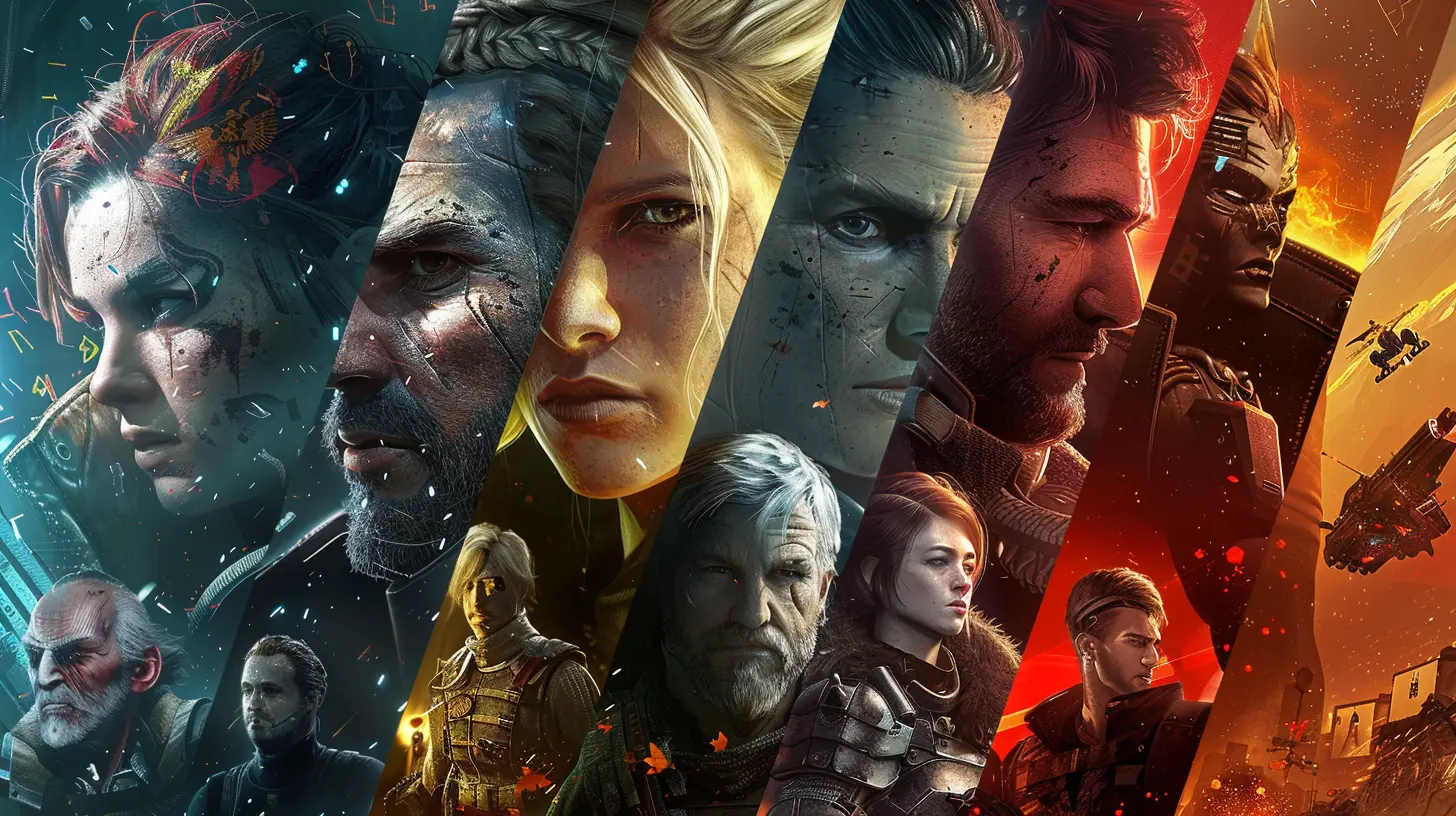
Ask anyone—what’s Mario known for? They’ll probably say jumping on Goombas. But he's more than that. He’s iconic. His red hat, mustache, and awkward plumbing career are instantly recognizable around the globe.Same with Master Chief, Lara Croft, Kratos, Link, and even Pikachu.
These characters become cultural symbols. They're not just game avatars. They’re beloved icons with rich backstories (or in Mario's case, charming simplicity). And when a game franchise builds its identity around unforgettable characters or narratives, it becomes something players stay emotionally invested in.
Stories That Stick
Another thing? Great storytelling. Franchises like Mass Effect, The Last of Us, and Bioshock have stories that resonate. Even years after playing, people remember specific plot twists, emotional beats, and jaw-dropping endings. That emotional connection is what keeps people talking—and replaying.
6. Cross-Platform Presence and Adaptability
You ever notice how some franchises seem to be everywhere? Console, PC, mobile, even VR—there’s no platform untouched. Take Minecraft, for example. That blocky sandbox game started on PC and is now literally on everything from smartphones to smart fridges. (Okay, maybe not fridges... yet.)Ubiquity = Longevity
Being cross-platform gives a game more exposure. More people can play it. And the more people that play it, the bigger the community, the more attention it gets, and the longer it stays relevant. Simple as that.Some franchises even transcend gaming. Look at Pokémon—it’s got games, TV shows, movies, trading cards, merch, and even theme parks. That kind of branding is how you build an empire.
7. Smart Marketing and Hype Management
You can't underestimate the power of hype. Game developers know how to build anticipation like pros—teasing trailers, cryptic clues, sneak peeks, and countdowns. They know their audience and know how to keep them on edge, waiting for the next big release or update.Take Rockstar’s marketing for any GTA game—minimal words, maximum impact. A logo teaser can send shockwaves through the internet. That’s how strong the hype muscle is when you’ve built it over time.
Keeping Eyes on the Prize
Regular updates, DLCs, and expansions also keep the conversation going. Even years after a game launches, new content gives players a reason to come back. And when people keep playing, streams and social buzz stay alive.
8. Multiplayer and Live Service Models
Some franchises have cracked the code when it comes to multiplayer. Games like Call of Duty, Fortnite, Warcraft, and Apex Legends thrive because they’re social experiences. You're not just playing a game—you’re hanging out with your friends (or yelling at strangers online… it happens).Live service games constantly evolve, adding seasons, events, new characters, and gear. This keeps the player base engaged and invested over time.
It’s Like a Never-Ending Party
When a game feels alive, players keep coming back. And when a franchise nails that formula, it becomes nearly immortal.9. Cultural Relevance and Timely Themes
Some games manage to tap into the cultural zeitgeist. Whether it’s dystopian futures, gritty realism, political commentary, or fantasy escapism, the best franchises often reflect (or react to) what’s happening in the real world.Watch Dogs, Cyberpunk 2077, and even Far Cry games often weave in complex, socially relevant themes. While not every franchise goes this route, the ones that do can ride cultural waves and stay in public discourse longer.
Games That Say Something Matter More
People remember the games that say something. Touching emotional narratives, timely themes, or even thought-provoking questions about humanity—these things stick with players and keep the game relevant long after launch.
10. Legacy Support and Remasters
Okay, quick show of hands: Who hasn’t been lured into buying a “remastered” version of a childhood favorite? Exactly.Game companies love giving old favorites a modern upgrade—and we love rediscovering them. It’s a win-win.
Remakes, remasters, and reboots breathe new life into old games and introduce them to new generations. They also pump the fandom with excitement, nostalgia, and renewed relevance.
Wrapping It Up: The Power of Staying Power
So, why do some game franchises never lose relevance? It boils down to a mix of nostalgia, innovation, consistent quality, iconic characters, passionate communities, and smart marketing. These franchises are more than just games—they’re experiences. They grow up with their players, adapt to new tech, and continue telling stories that matter.They don’t just drop a hit and disappear—they build legacies.
And as long as their creators keep listening, adapting, and delivering the goods, these franchises will keep dominating our consoles, PCs, and hearts for years to come.
Whether you're a casual fan or a die-hard gamer, you’ve likely got a franchise that means something to you. It’s part of your story. And that’s the real magic—these games don’t just stay relevant… they stay personal.
all images in this post were generated using AI tools
Category:
Game Reviews ArchiveAuthor:

Madeleine McCaffrey
Discussion
rate this article
2 comments
Otto McElhinney
Timeless gameplay, memorable characters, and clever storytelling keep these franchises alive. It's the magic of nostalgia blended with innovation that fuels their success...
July 2, 2026 at 3:44 PM
Madeleine McCaffrey
Absolutely, it's that perfect mix of nostalgia and fresh ideas that keeps players coming back for more.
Vera Peterson
Timeless classics bring joy, keeping players hooked for years!
May 24, 2026 at 4:53 PM
Madeleine McCaffrey
Absolutely! Timeless classics have a unique ability to resonate across generations, making them endlessly appealing to players.