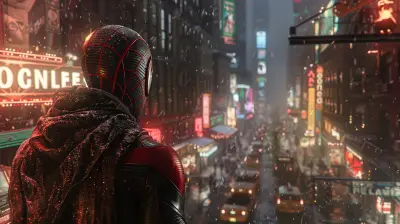
Why Stealth Games Keep Gamers Hooked for Hours
2 July 2026
If you've ever found yourself tiptoeing through the digital shadows, heart racing with every move, then chances are you've been bitten by the stealth game bug. And let’s be honest — once you get a taste of silently taking down enemies or slipping past guards unnoticed, it's hard to go back. But what is it about stealth games that keeps us glued to our screens for hours on end? Why do we love becoming digital ninjas so much?
Let’s pull the curtain back and dive into the addictive world of stealth games. You might even understand why you've spent 45 minutes crawling through a virtual air duct just to avoid a single enemy!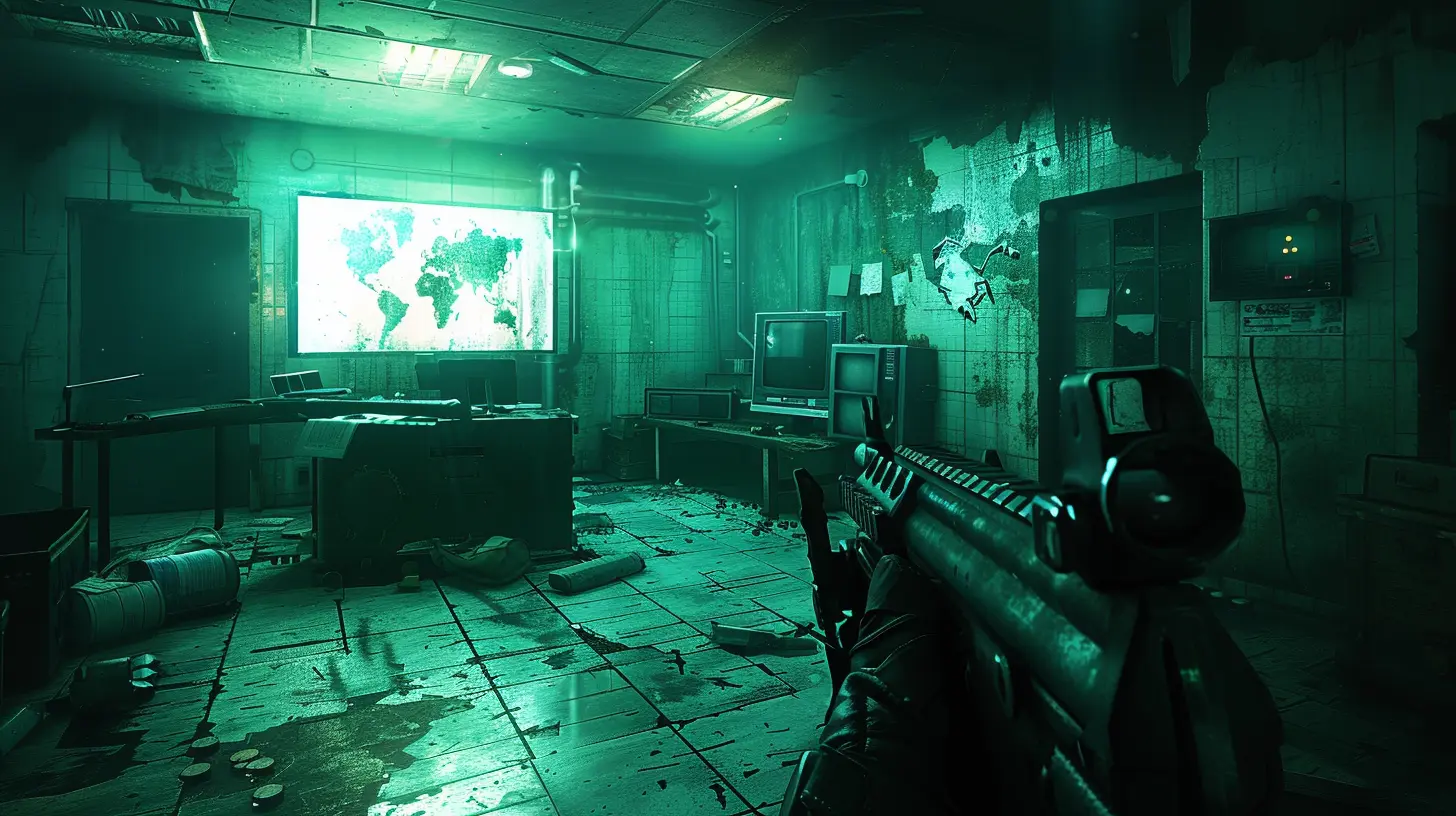
The Thrill of the Hunt (Hunting... Without Being Hunted)
One of the most obvious reasons stealth games are so compelling? The thrill. It's that mix of danger, timing, and control. You're not just charging into battle guns blazing—you’re thinking, planning, lurking. In a way, playing a stealth game feels more like solving a puzzle than playing a traditional action game.You're constantly asking yourself:
- "Can I get past that guard without being seen?"
- "Is the security camera going to catch me?"
- "Should I wait or make a run for it?"
That suspense? It's addictive. Every successful sneak feels like a small victory, a pat on the back that says, "Hey, you're smarter than them."
Just like a well-timed prank or a carefully executed surprise, stealth gameplay gives us that rush of outsmarting someone — and it’s immensely satisfying.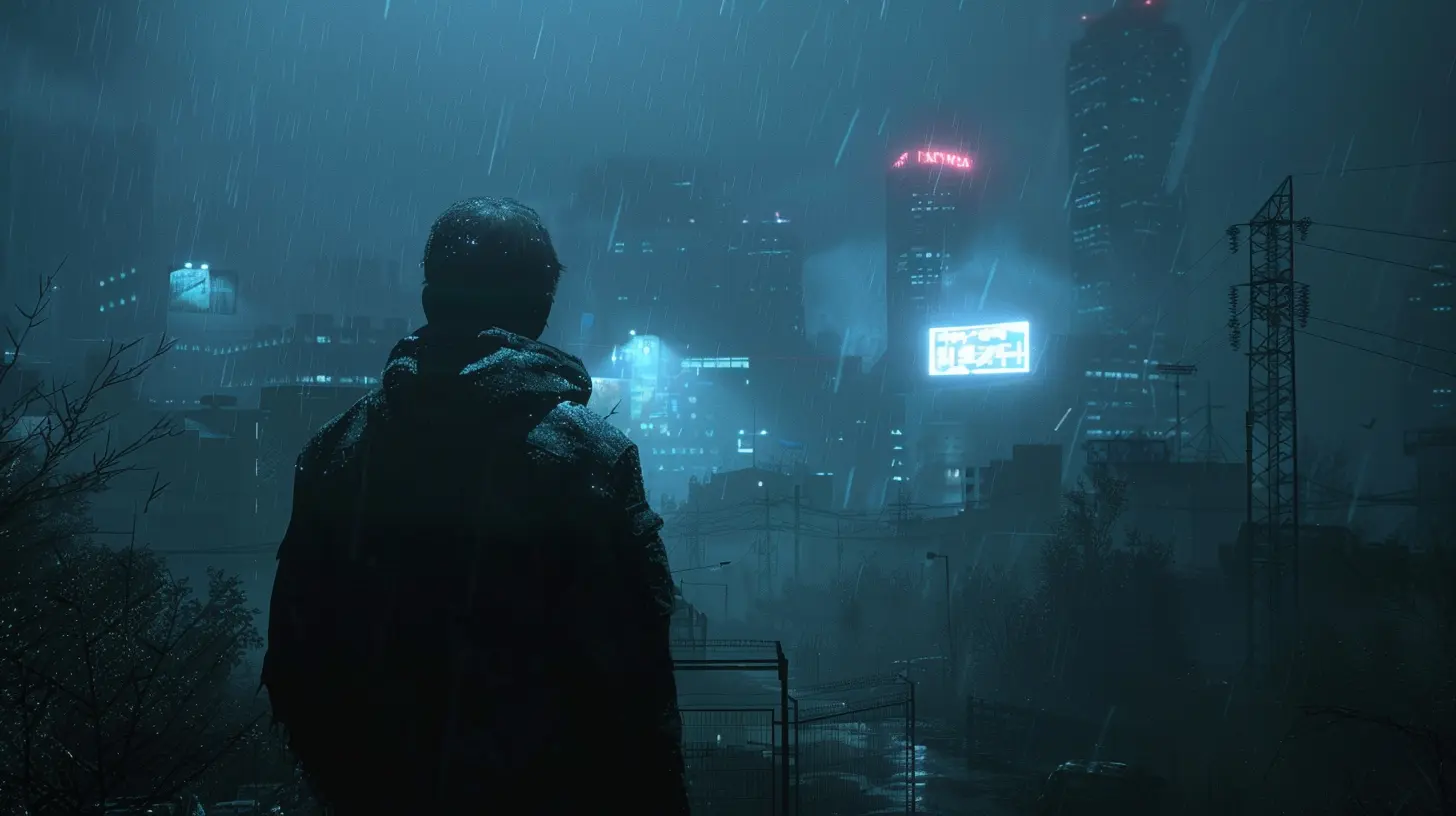
Immersion on Another Level
Stealth games demand your full attention. There’s no zoning out or button-mashing your way to victory. Instead, you're fully locked in.You're watching patterns: guards on patrol, laser grids turning on and off, security bots scanning hallways. You're mentally mapping out spaces, calculating risks, weighing options. It’s almost meditative but also thrilling.
Because stealth games force you to slow down and think, they naturally pull you deeper into the experience. You’re not just playing a character—you become them.
And let's face it, who doesn’t want to feel like a high-tech spy, a medieval assassin, or a post-apocalyptic ninja now and then?
Choice and Control — Your Game, Your Way
Unlike many shooters or RPGs where the path forward is loud and clear (and often very explodey), stealth games often give you options. Loads of them.You can:
- Go in silently and never be seen.
- Knock people out and hide the bodies.
- Use gadgets to create distractions.
- Or… abandon stealth halfway and go full Rambo (though the game might not reward you for that one).
That level of freedom is why many gamers keep coming back for more. Every mission can play out differently depending on your mood or playstyle. Want to ghost your way through a mission without leaving a trace? Go ahead. Feel like being a silent predator, taking out enemies one by one? You can do that too.
Heck, you might even replay the same level multiple times just to see how many different ways you can crack it open, like a digital escape room.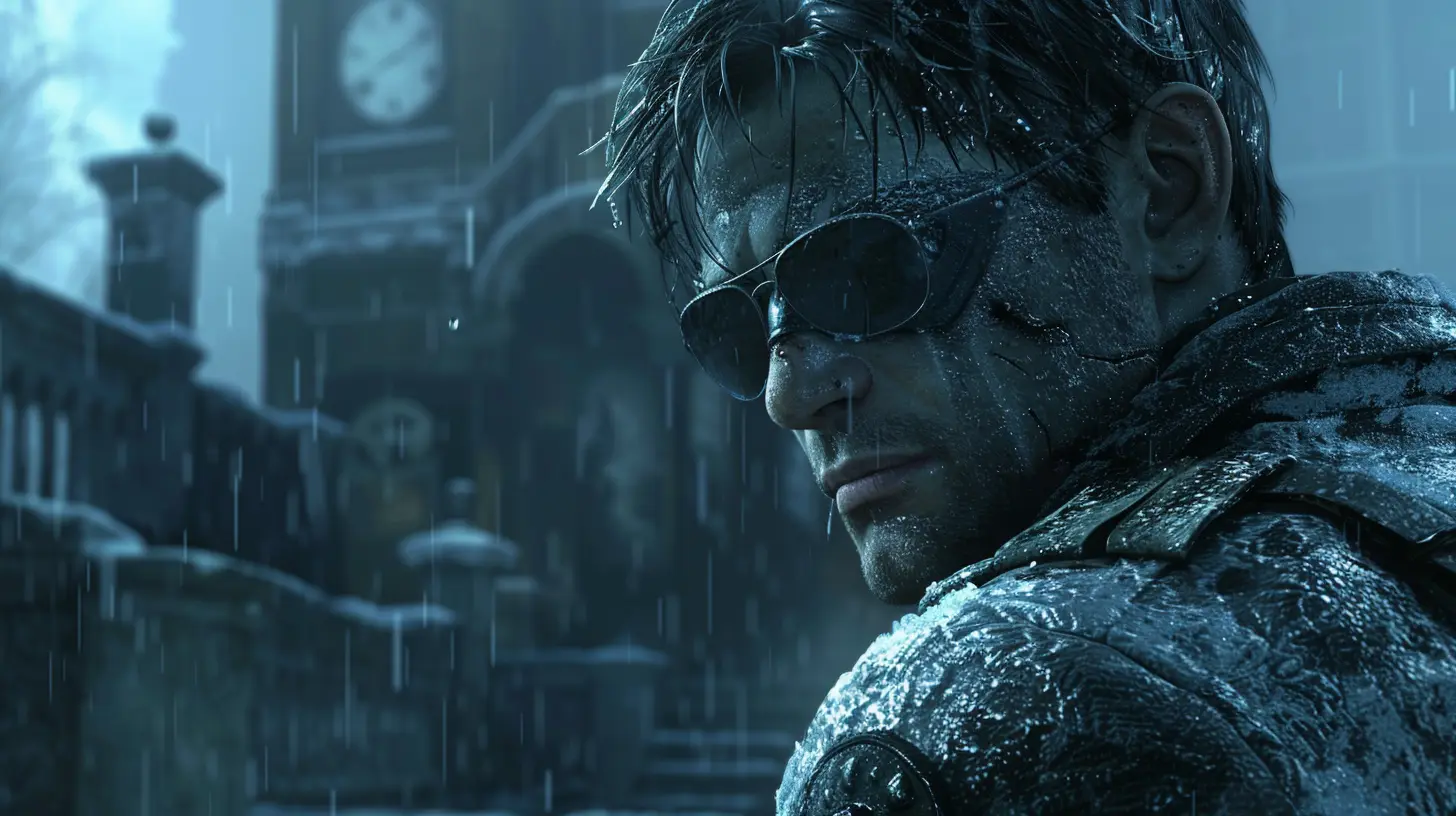
The Satisfaction of Mastery
Stealth games are not usually easy. And that's kind of the point.They throw a bunch of tools at you — noise-makers, night vision goggles, smoke bombs, disguises — and it's up to you to learn how to best use them. It's a genre that rewards patience, creativity, and most of all, mastery.
And here's the cool part: the better you get at a stealth game, the more satisfying it becomes. Before long, you're chaining together silent takedowns, bypassing entire rooms of enemies, and feeling like an absolute boss while doing it.
That slow build-up to feeling like a pro? That’s what keeps people locked in for hours — that addictive loop of "just one more try, I can do it perfectly this time."
Storytelling That Keeps You Invested
A lot of stealth games are incredibly story-driven. We're talking about games like:- Metal Gear Solid — with its intricate plots and over-the-top characters.
- Dishonored — with its grim, plague-ridden world and themes of revenge.
- Hitman — where each level is a sandbox of assassination opportunities wrapped in a stylish narrative.
These aren't just games; they’re immersive stories where your actions carry weight. Being stealthy doesn’t just feel cool — it feels meaningful.
You're not just sneaking past enemies; you’re uncovering secrets, making moral choices, or shaping outcomes with silent decisions. And when a game respects your intelligence, it’s hard not to respect it back.
They Scratch that Completionist Itch
Let's be real — a lot of us gamers are completionists at heart. We want all the trophies, all the collectibles, all the achievements. And stealth games? Oh boy, they practically dare you to try for perfection.Think:
- No kills?
- No detections?
- Speed runs?
- All optional objectives?
Stealth games are stacked with incentives to go back and do better. Even if you finish the story, there's always something whispering in your ear: “You missed a secret.... You got spotted in level 3.... You used too many gadgets… Could you do that run cleaner?”
It's like the game is gently nudging you to improve — not out of punishment, but out of love.
The Joy of Watching the AI Do Its Thing
This might sound weird, but hear me out: stealth game enemies are really fun to watch.Why? Because well-made a.i. routines make the game feel alive. Guards patrol in realistic patterns. They chat with each other. They react to sound. They get suspicious when they see open doors or missing colleagues.
And when you disrupt that pattern? It’s like poking an anthill. Lights start flashing. Alarms go off. Everyone’s buzzing around. It creates this chaotic ballet that you caused — and now you have to find clever ways to fix or escape it.
You're not just playing in the world; you're manipulating it. And that’s downright fascinating.
It Feels Personal
You know what’s better than winning a boss battle with brute force? Outsmarting the whole level and completing your objective without anyone even knowing you were there.There’s something deeply personal about stealth games. You feel like the odds are stacked against you, and yet, you prevail — not because you're stronger, but because you're smarter. It’s the classic underdog story, played out over and over.
That connection makes victories feel earned, and even failures feel like valuable lessons rather than just bad luck.
Great Stealth Games That Define the Genre
If you’re itching to try one or looking for your next obsession, here are some crowning jewels of the stealth genre:? Metal Gear Solid Series
The granddaddy of modern stealth games. Deep, cinematic, and full of tactical options.? Dishonored Series
Stealth meets magic. Offers incredible freedom and supernatural powers.? Hitman Trilogy (World of Assassination)
Sandbox assassination with disguises, poisons, and perfectly timed accidents.? Splinter Cell Series
High-tech espionage at its finest. Perfect for fans of gadgets and tactical play.? Thief Series
Classic first-person sneaking with a dark, medieval twist.? Mark of the Ninja
2D stealth done right. Smooth animation and satisfying mechanics.? The Last of Us Part II
While not a pure stealth game, its stealth sections are tense, brutal, and deeply immersive.Why They Work Best Today (And Why They're Here to Stay)
Modern gaming has evolved, but stealth games continue to thrive. Why? Because they hit that sweet spot between story, immersion, and strategy.They’re not about instant gratification. They’re about the slow-burn satisfaction of working smarter, not harder. And in today’s fast-paced world where everything is about doing things quicker, stealth games stand out by making you slow down, pay attention, and savor the moment.
They’re like the digital equivalent of sipping a fine glass of wine in a world full of energy drinks.
Final Thoughts
Stealth games might not be for everyone at first. They can be slow, punishing, and a little demanding. But once you get past that initial learning curve, there’s no turning back. You’ll find yourself hooked — not because of flashy explosions or wild boss fights, but because of the quiet, calculated thrill of doing things your way.So the next time you’re wondering why you spent three hours trying to ghost a level without alerting a single soul... it’s not obsession. It’s passion. Pure, sneaky, digital passion.
Now if you'll excuse me, I have to hide in a bush and wait for that guard to turn the other way.
all images in this post were generated using AI tools
Category:
Stealth GamesAuthor:

Madeleine McCaffrey
Discussion
rate this article
2 comments
Whitney Brooks
Stealth games create tension.
August 23, 2026 at 3:59 AM
Lila Graham
Stealth games draw players in with their unique blend of strategy and tension. The thrill of sneaking past enemies and executing perfectly timed moves creates an immersive experience. Every decision counts, making each playthrough feel fresh and exciting. It's the ultimate balance of risk and reward.
July 2, 2026 at 5:13 AM
Madeleine McCaffrey
Absolutely, the tension and strategy in stealth games keep players engaged. Each choice adds depth and makes every run feel new. It's that blend of excitement and challenge that hooks us.