Why Stealth Mechanics Improve Any Genre
26 August 2026
Let’s be honest—stealth mechanics are the unsung heroes of video games. You might think they’re only for hardcore spies or ninja wannabes, but you’d be surprised how sneaky goodness can elevate almost any game, regardless of the genre. Whether you're creeping through enemy lines in a tactical shooter or tiptoeing past monsters in a horror game, stealth often turns a "meh" situation into a "heck yeah" moment.
So, why does sneaking around make gaming so much more enjoyable? Buckle up, grab your cardboard box (we're looking at you, Snake), and let’s dive into the world of stealth mechanics and why they ninja kick every genre up a notch.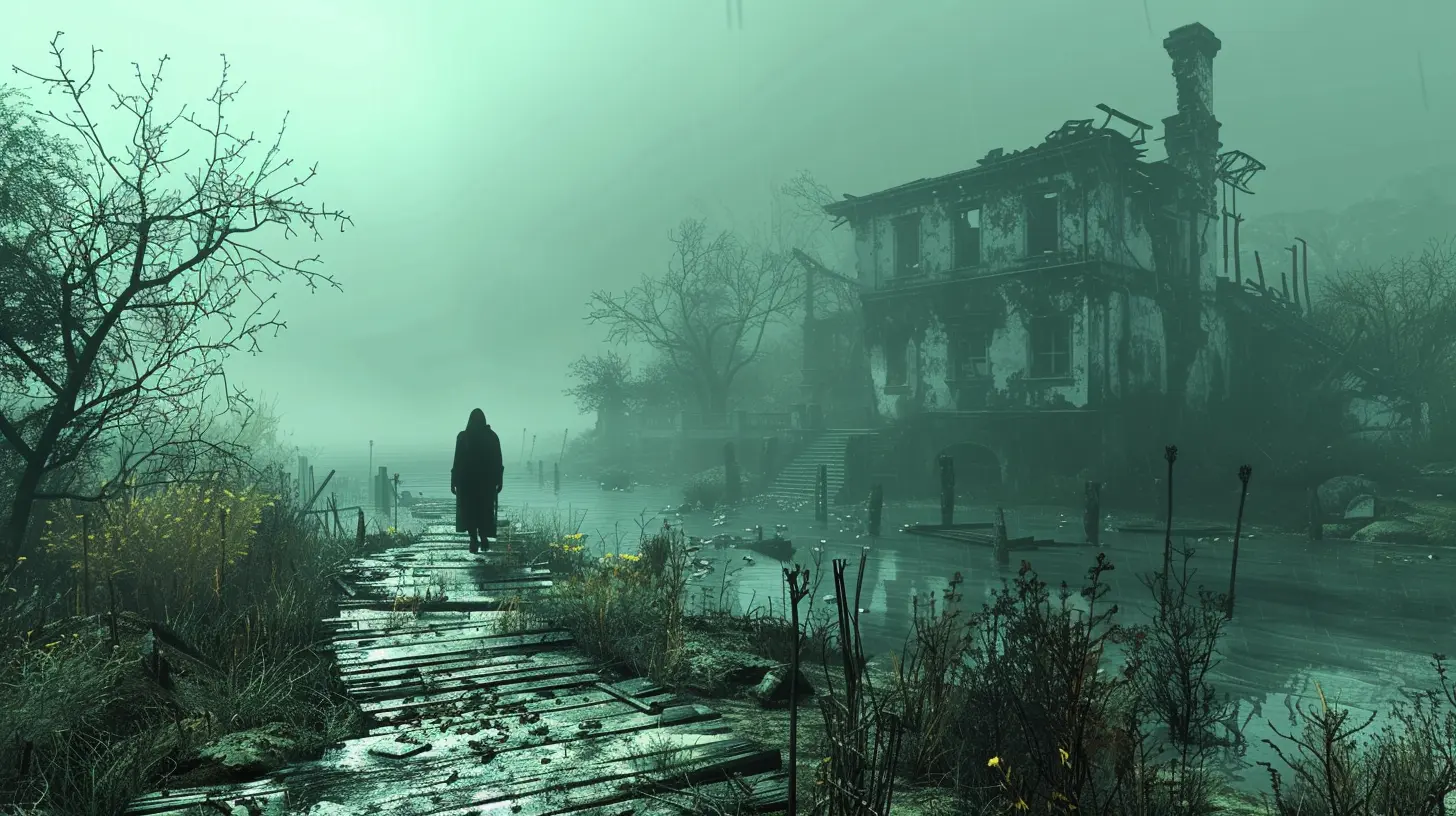
Stealth: The Spice That Adds Flavor
Think of stealth like hot sauce. Too much and it might overwhelm the dish, but just the right amount? Boom—flavor explosion. Stealth mechanics do the same for gameplay. They add depth, strategy, tension, and sometimes even a hilarious dose of panic when you realize you’re one wrong move away from game over.The best part? They’re not tied to a single genre. Stealth can make action games more tactical, horror games more terrifying, and even turn platformers into puzzles.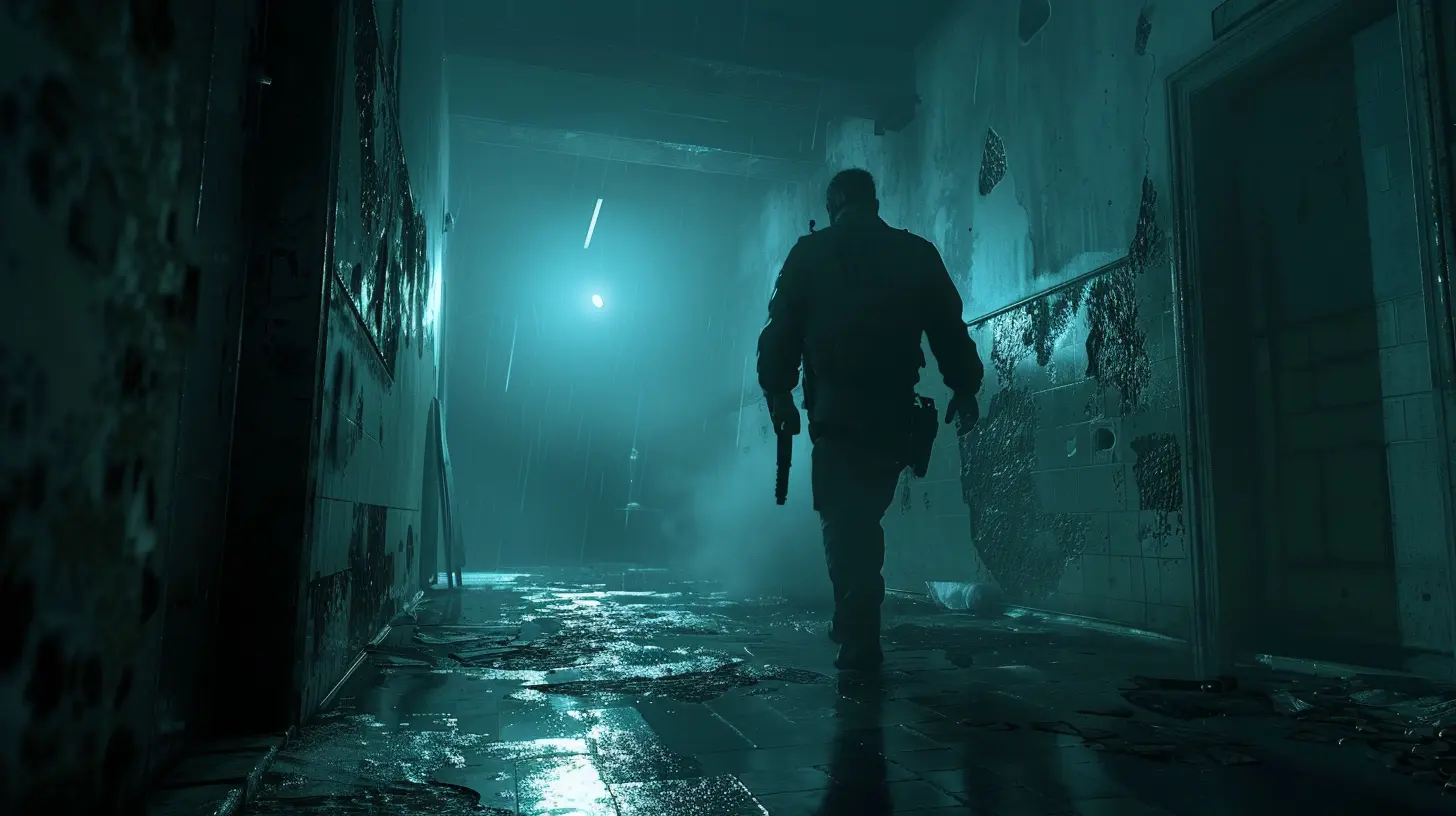
Stealth Increases Player Immersion
When you're forced to slow down, watch your surroundings, and anticipate enemy movements, you’re naturally pulled deeper into the game world. Instead of mindlessly running and gunning, you start thinking like the character. You check corners, study patrol paths, and scan for environmental clues like a digital Sherlock Holmes.Let’s face it—running into a room full of enemies guns blazing is fun, but sneaking past them undetected? Now that’s satisfying on a whole new level. It’s like becoming a ghost, watching the chaos from the shadows, untouched and untouchable. That feeling? It’s gold.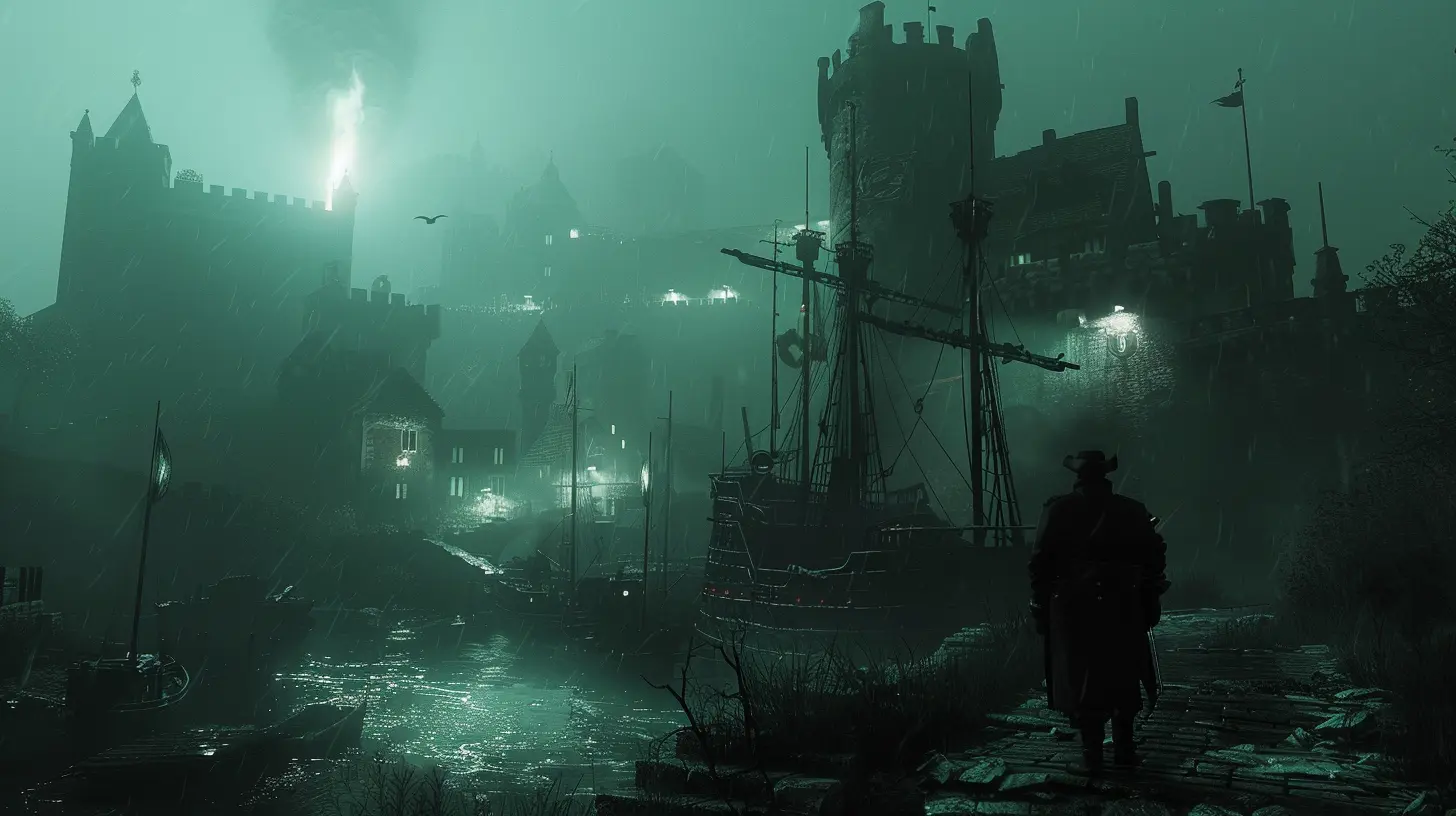
More Choice = More Freedom
Here’s a gamer’s truth: we love options. The more ways we can approach a situation, the more we feel in control. Stealth mechanics add a layer of choice that completely changes your game strategy.Take a game like Deus Ex. Do you go full Rambo and mow down enemies? Sure, you can. But what if you silently hack a door, slip through a vent, and bypass the guards entirely? That shift in gameplay style adds replayability and player agency. The game becomes yours to shape.
Even games not typically known for stealth—like Skyrim—offer stealth builds. You can choose to be a sneaky archer in the shadows instead of a shouting Viking tank. And guess what? It's awesome.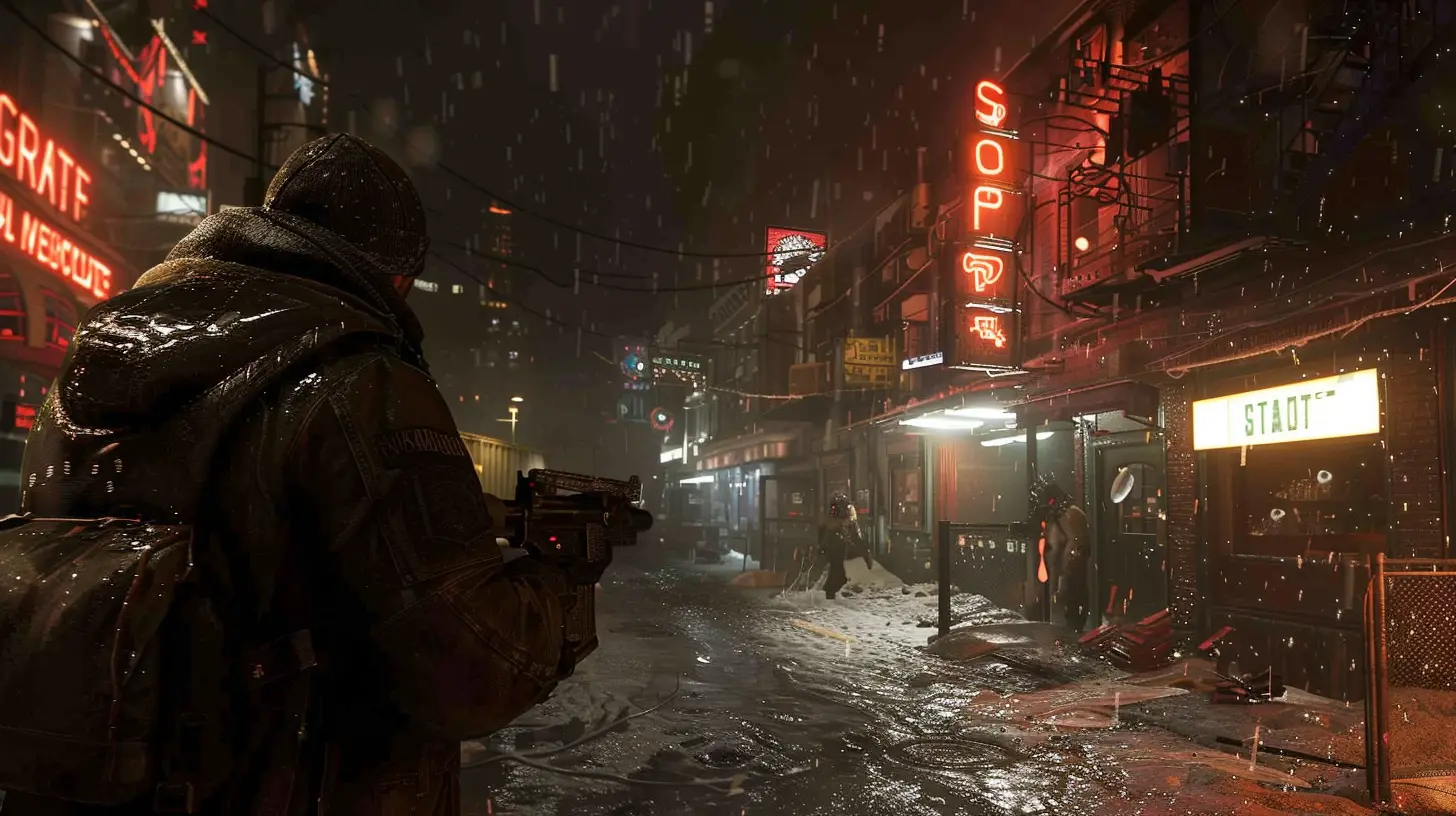
Tension Makes It More Fun (Yes, Really)
You know that feeling when you’re hiding in a locker, heartbeat pounding in your ears, as a monster sniffs around for your scent? That’s engagement.Stealth brings tension. And tension brings excitement.
Even in genres like horror or survival that are already nerve-wracking, stealth adds a delicious layer of anxiety. You're not just scared because things are out to get you—you're terrified because you're trying not to be seen. It's the digital version of holding your breath and crossing your fingers.
Stealth Mechanics Turn Combat Into Chess
Games with stealth aren’t just about avoiding enemies—they change how you deal with conflict entirely. It’s not just “shoot first, ask questions never.” Now you're planning moves ahead, like a grandmaster gambit.Let’s take Metal Gear Solid, the granddaddy of stealth. Each encounter is a puzzle. Who's watching who? What's their movement route? Can I distract them? Can I take them out quietly?
Even in games like Assassin’s Creed, stealth lets you take down a fortress one guard at a time instead of charging in like a lunatic. You become an artist of violence, painting the battlefield with silence.
Adds Depth to Otherwise Simple Gameplay
Be honest—some genres can get a little… repetitive. Hack-and-slash? Click, swing, repeat. FPS? Shoot, reload, shoot. Racing? Turn, drift, boost.Now throw in stealth mechanics. That hack-and-slash game now has shadowy assassinations. The FPS becomes a tactical infiltration mission. Even a racing game like Need for Speed gets stealthy with evade-the-cops mechanics.
Stealth breathes fresh life into these formulas. It’s like suddenly discovering ingredients in your kitchen you didn’t know you had. Who knew adding a little sneak could be such a game changer?
Encourages Creative Problem Solving
No two players use stealth the same way. Some go full ghost mode, never being seen. Others use distractions, gadgets, or even environmental hazards to evade or eliminate enemies silently.This mechanic invites creativity.
Let’s talk Hitman. You can poison someone’s drink, drop a chandelier, or dress up as a mascot. All stealth tactics. All optional. And all hilarious. It's a sandbox of sneaky choices that make problem-solving more enjoyable and personal. Your story becomes unique.
It Makes You Feel Like a Genius (Even If You're Not)
You ever sneak past a dozen guards, hack a terminal, and slip out undetected? That “I’m a ninja master” moment is pure dopamine.Games like Splinter Cell and Dishonored reward patience and intelligence over brute force. You’re solving spatial puzzles, predicting behavior, and mastering timing. When it works, it feels amazing. When it doesn’t? Well…hello quicksave.
Regardless, stealth gives players that sweet, sweet illusion of being a mastermind—without needing a 200 IQ.
Multiplies the Replay Value
Stealth paths are often optional. Which means on your first playthrough, you might go loud. On the second? You sneak like a shadow in the night.This mechanic gives games legs. Why play once when you can experience multiple styles of gameplay?
Games like The Last of Us Part II are brilliant at this. You can go stealthy, crafting silencers and sneaking through grass. Or go loud, using bombs and shotguns. Both paths are valid, but stealth offers a more measured, suspenseful ride that feels entirely different.
Works With Any Setting or Story
Fantasy? Be the rogue in the shadows. Sci-fi? Hack a security turret and slip past droids. Zombie apocalypse? Avoid hordes by crouch-walking behind abandoned cars.No matter the genre or setting, stealth fits. It’s the universal tool in a game designer’s belt. Kind of like duct tape—it holds everything together and solves problems creatively.
This adaptability is what makes stealth so valuable. It doesn’t replace core mechanics—it enhances them.
Co-op Chaos Becomes Even More Hilarious
Ever tried doing stealth in co-op? It’s a beautiful disaster.One player’s a silent assassin. The other? Accidentally trips the alarm while trying to teabag an unconscious guard. Suddenly, you're both running for your lives.
Games like Payday 2 let players try their best Ocean's Eleven impersonations. Sometimes you nail it. Sometimes someone forgets to bag a body. Either way, it's memorable.
Stealth in multiplayer isn’t just engaging—it’s a comedy show waiting to happen.
Even Bad Stealth Mechanics Add Entertainment
Okay, let's be real. Not all stealth mechanics are made equal. Some are wonky, unfair, or straight-up broken.But ironic stealth? That’s a genre in itself.
Remember trying to sneak through Skyrim in broad daylight wearing bright armor while crouched in a bush? Or the classic "you alerted the guards" after barely crossing the threshold in a 2005 stealth game? It’s ridiculous. And hilarious.
Sometimes, bad stealth makes for great stories—ones you’ll laugh about with friends for years.
Final Thoughts: Let’s Get Sneaky
So, why do stealth mechanics improve any genre?Simple. They add tension, freedom, creativity, strategy, humor, and replayability. Stealth isn’t about hiding in the shadows—it's about giving players the tools to approach challenges in their own way. It makes you think, plan, and act with purpose. Whether you're playing a survival horror or a kart racer (hey, dodging banana peels takes stealth, okay?), sneakiness just makes it better.
It’s not always about being the loudest in the room. Sometimes, the best move is the quiet one. So next time you're gaming, try taking the road less traveled—the sneaky one. You might just love it.
all images in this post were generated using AI tools
Category:
Stealth GamesAuthor:

Madeleine McCaffrey
Discussion
rate this article
2 comments
Ava Lynch
Great article! Stealth mechanics really do add depth and tension, enhancing gameplay in unexpected ways. It's fascinating how the thrill of sneaking around or strategizing can transform a simple scenario into something incredibly engaging. Thanks for highlighting the versatility of stealth across different genres.
September 25, 2026 at 2:57 PM
Eli Williams
Great insights on how stealth mechanics can enhance gameplay across different genres. The ability to approach situations with strategy adds depth and creativity, making experiences more engaging for players. Looking forward to more discussions on this topic.
September 13, 2026 at 4:58 AM
Madeleine McCaffrey
Thanks for your thoughts! I'm glad you found the insights valuable. Stealth mechanics really do open up exciting strategic possibilities. I look forward to more discussions as well!