How Developers Use Battle Passes to Build Loyalty
13 July 2026
Battle Passes: the modern-day golden ticket in the gaming world. It’s like the digital version of that punch card your local coffee shop gives you—except instead of a free latte, you get skins, emotes, in-game currency, and a little dopamine shot every time you level up. But what’s the real magic behind these addictive seasonal bundles? Let’s dive headfirst into the world of Battle Passes and how game developers use them to keep you coming back for more, like bees to honey—except the honey is XP, and the bees are gamers with FOMO.
What Even is a Battle Pass?
Alright, let’s not get ahead of ourselves. If you’ve ever played Fortnite, Apex Legends, or even a good ol’ mobile game like Clash Royale, you’ve probably come across a Battle Pass. It's a tiered reward system, typically spread across a season (30 to 90 days), where you unlock goodies by playing the game.There’s usually a free track and a premium track. The premium one costs real money (or in-game currency that you bought with real money—same-same), but it unlocks the real juicy stuff. Think legendary outfits, exclusive weapons, special missions—stuff that makes your character look like they just walked out of a gaming fashion show.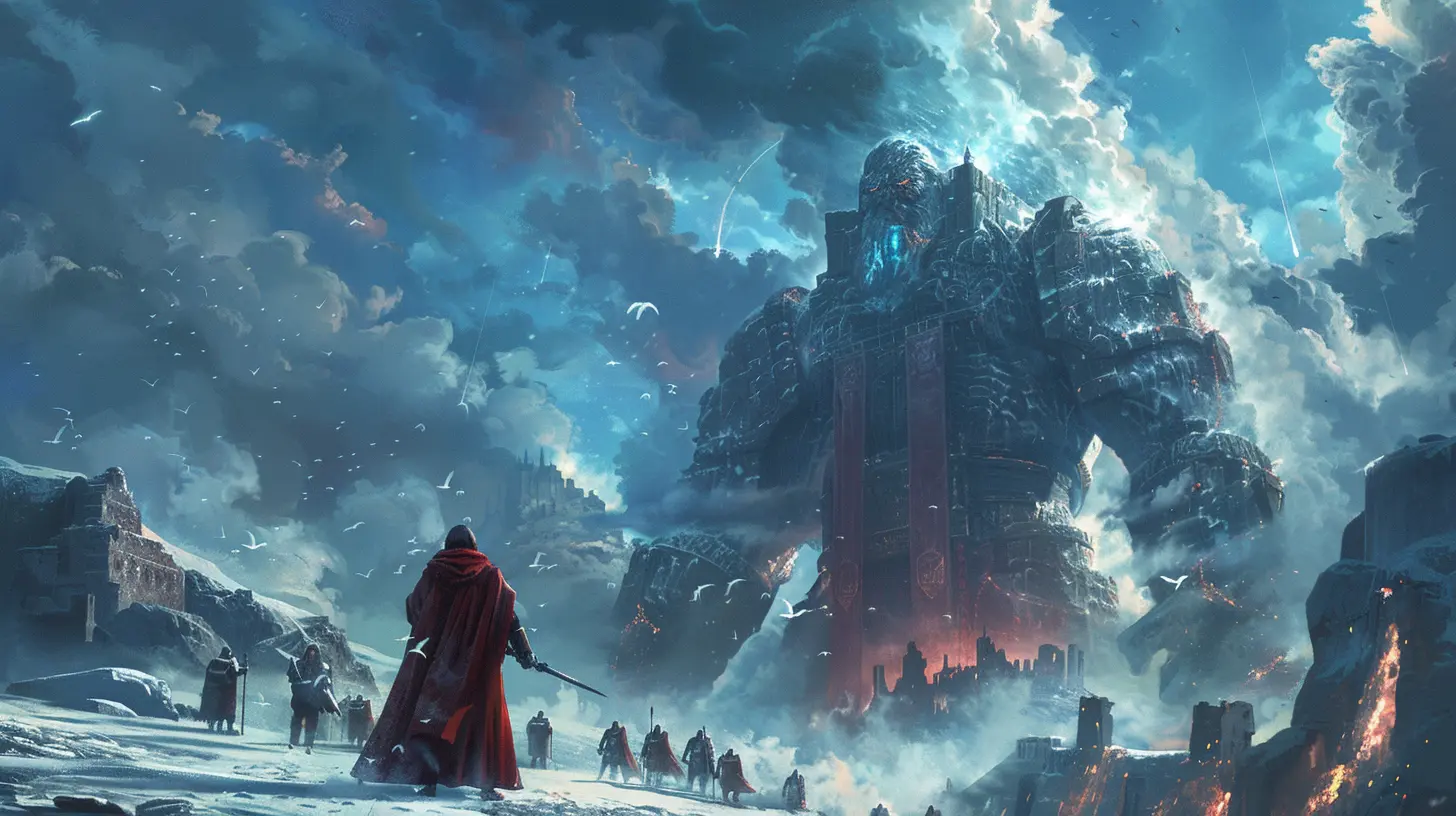
Why Battle Passes Are the Sweetheart of Game Developers
Let’s be real—these things aren’t just about giving players cool stuff. There’s a method to the madness. Battle Passes are like the Swiss Army knife of video game monetization and player retention. A multi-tool that does a bit of everything—and does it pretty well.? Building Player Loyalty (One XP Point at a Time)
How do you keep a player coming back week after week? You give them a meter to fill. Humans love progress. It’s hardwired into our brains. Battle Passes take full advantage of this with their tier systems and unlockables. Miss a few days of grinding and—you guessed it—you risk not making it to that level 50 golden dragon skin. Oh no.It's the digital spin on “just one more level.” Before you know it, you're throwing your social life out the window to max out your pass before the season ends.
? Monetization Without the Guilt Trip
Battle Passes have this magical way of making players feel like they’re not spending a lot, even when they are. Ten bucks for three months of content? That’s not bad, right? Toss in a few extra bucks for currency bundles and—bam—you’ve spent $50 before your morning coffee.Unlike loot boxes (oh, the controversy), Battle Passes are transparent. You see the rewards, you know what you're getting, and you’re not spinning a roulette wheel hoping for a mythic item. That transparency builds trust—another sneaky loyalty builder.
⏳ Time-Gated Content = Habit-Forming
Every Battle Pass has a ticking clock. The season ends. The rewards go bye-bye. Cue the anxiety. The pressure to complete all the daily and weekly challenges becomes real—like the gaming version of meal prepping or going to the gym. It’s a routine.Game devs strategically engineer Battle Passes to create habit loops. Finish a challenge, get a reward, feel good. Rinse and repeat. The more you play, the more invested you become. The more invested you are, the less likely you are to churn. It’s psychology with pixels.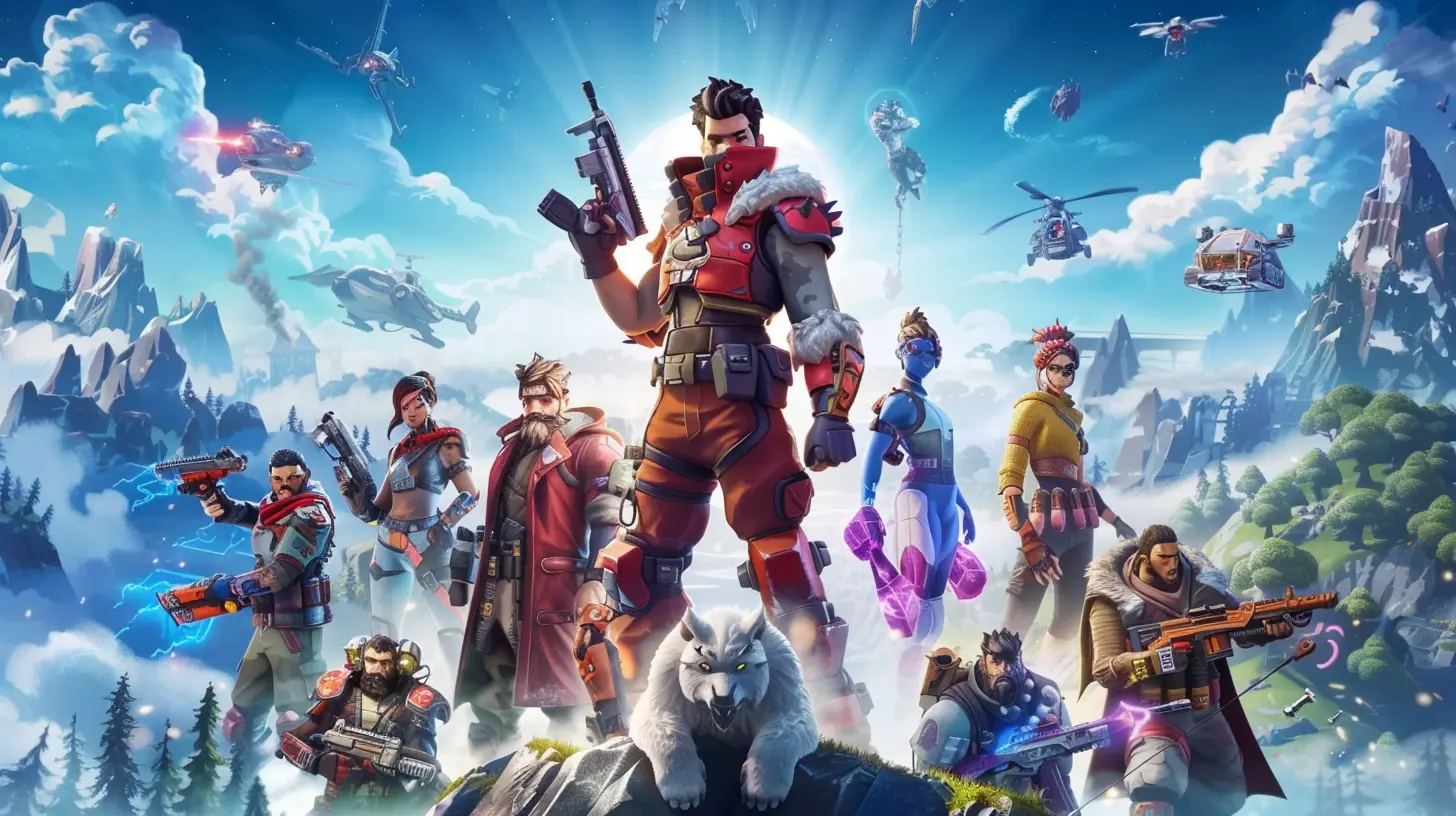
The FOMO Factor: Fear of Missing Out is Real in Pixels
We’ve all been there. Your buddy logs into your favorite game and suddenly they’re rocking that flaming unicorn mount you missed out on because you were too busy binge-watching the latest Netflix crime doc.FOMO might just be the secret sauce of Battle Passes. Developers sprinkle exclusive, limited-time items that will never (allegedly) come back. Miss it, and it’s gone forever. This scarcity drives urgency—and urgency drives action.
That’s not just good for player engagement. That’s marketing gold.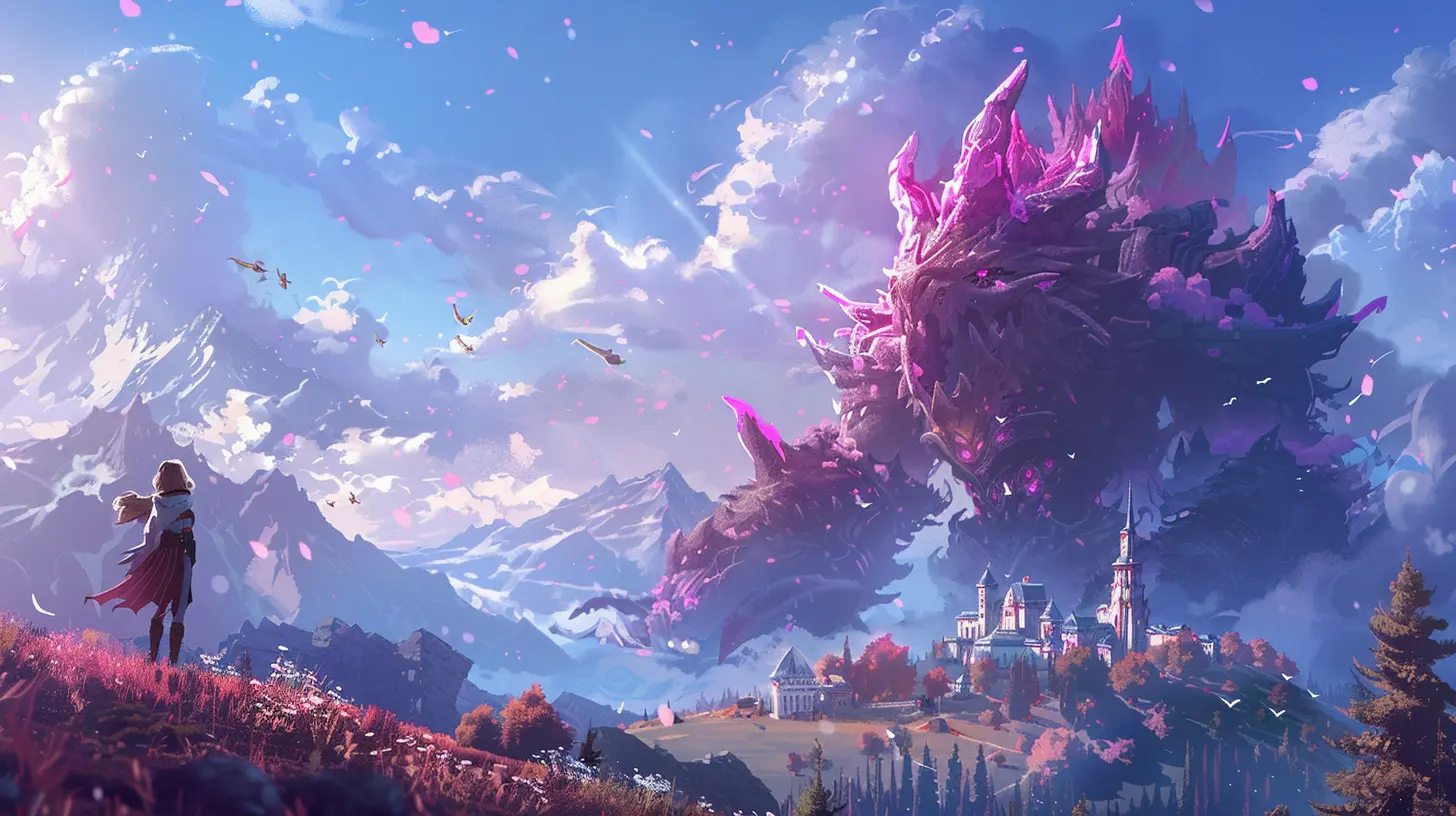
A Live Service Dream Come True
More and more games are going “live service.” That means instead of shipping out a game and forgetting about it, developers actively maintain it—adding content, fixing bugs, and evolving the experience.Battle Passes fit into this model like a glove. They structure the game's life into digestible, marketable seasons. New season, new theme, new pass. It’s like Netflix dropping a new series each month. It gives players a reason to stick around.
Plus, it gives developers a consistent revenue stream they can reinvest into development. Everybody wins—sort of.
How Battle Passes Hook Different Player Personalities
Not all gamers are built the same. Some live for the thrill of competition, others just want to collect all the shiny things like a digital magpie. Battle Passes cater to them all.? The Completionists
These folks need to hit 100%. Battle Passes are their holy grail. Every tier is a box to check. Every cosmetic, a trophy.⚔️ The Try-Hards
These players want clout. Exclusive skins? Limited-time emotes? Flex-worthy banners? Yes, please. Battle Pass rewards become status symbols in-game.? The Casuals
Even the casual crowd gets love. Most Battle Passes include enough freebies to feel included, plus the option to buy in later if they catch the bug.This multipronged appeal is no accident. Developers design Battle Passes to appeal across the player spectrum, ensuring everyone has a reason to log in—whether it’s for the grind or just the good vibes.
The Evolution of Battle Passes: They're Getting Smarter, Sneakier... and Better?
Let’s not pretend Battle Passes have stayed the same since 2017. Nope. They’ve evolved—like a Pokémon. Now, we have:- Custom Unlock Paths – Choose your own reward tier progression.
- Event-Based Passes – Shorter, theme-specific passes layered on top of standard ones.
- Subscription Services – Battle Pass + bonuses for a monthly fee. (Looking at you, Fortnite Crew.)
Developers are always iterating. Watching how players engage, tweaking the math, remixing the content. They’re turning Battle Passes into live, reactive engagement machines.
One cool trend? Battle Passes that refund their own cost. Complete it, get enough in-game currency to buy the next one. Now that’s a loyalty loop if I’ve ever seen one.
Wait… Are Battle Passes Just Clever Manipulation?
Look, let’s call a spade a spade. Battle Passes are engineered to keep you playing—and paying. They’re not evil, but they are built around psychology. Reward schedules. Positive reinforcement. Time pressure.But in the grand scheme of gaming monetization? They’re pretty player-friendly. They offer clear value, often at a relatively low cost, and they reward you for playing—something you were already going to do anyway, right?
It’s like being paid in cosmetics for doing your in-game chores. If you’re gonna sink 100 hours into a game, why not unlock a few flaming swords while you’re at it?
Tips to Beat the Battle Pass Grind (Without Losing Your Mind)
Alright, you’re sold. Or maybe you’ve been knee-deep in Battle Passes for years and you’re just here for morale support. Either way, here are a few pro tips to navigate the madness without burning out:1. Don’t Chase Every Pass
Pick one or two games you genuinely enjoy. Spreading yourself thin across five different passes is a recipe for gamer fatigue.2. Do the Dailies (but skip guilt)
Daily missions are your XP bread and butter. But hey—miss a day? It’s okay. This is supposed to be fun, not your second job.3. Buy Late If You're Unsure
Most games let you retroactively get your rewards. So grind the free track and pay up at the end if you think it’s worth it.4. Walk Away When It Stops Being Fun
Seriously. No pass is worth your sanity. Life’s too short to stress over a digital rainbow shotgun.The Final Loot Crate... I Mean Word
Battle Passes aren’t just a trend—they’re a full-blown revolution in how developers engage players and keep the content faucet flowing. They walk that line between monetization and motivation with the elegance of a Fortnite dance move.By rewarding playtime, creating seasonal excitement, and giving everyone a chance at digital glory, developers have turned Battle Passes into one of the biggest loyalty tools in modern gaming. Whether you love 'em or loathe ‘em, one thing’s clear: the Battle Pass isn't going anywhere. So either strap in and grind—or just enjoy the show from a safe, non-premium distance.
Just remember: you’re not beating the system, it’s beating you—with kindness, cosmetics, and clever design.
all images in this post were generated using AI tools
Category:
Battle PassesAuthor:

Madeleine McCaffrey
Discussion
rate this article
2 comments
Spike Barker
Great insights on player engagement strategies!
September 3, 2026 at 3:53 AM
Madeleine McCaffrey
Thanks! I'm glad you found the insights helpful. Player engagement is so vital in today's gaming landscape.
Nicole McCarty
Battle passes are a smart way to keep players engaged. They offer rewards that enhance gameplay and create a sense of progression, fostering long-term loyalty.
July 13, 2026 at 2:52 AM
Madeleine McCaffrey
I completely agree. Battle passes not only provide rewards but also motivate players to stay active and invested in the game. It's a win-win for both players and developers.