How Shigeru Miyamoto Became a Legendary Game Designer
4 February 2026
When it comes to the world of video games, there are a handful of names that stand out, but few shine brighter than Shigeru Miyamoto. If you’ve ever picked up a controller and dived into magical kingdoms or raced through vibrant courses with friends, chances are you’ve experienced his genius firsthand. Miyamoto isn’t just a game designer—he’s the blueprint for modern gaming as we know it. Want to know how he went from a quiet Kyoto kid to a cultural icon? Let’s dig into his journey and uncover what makes him the legendary game designer we all admire.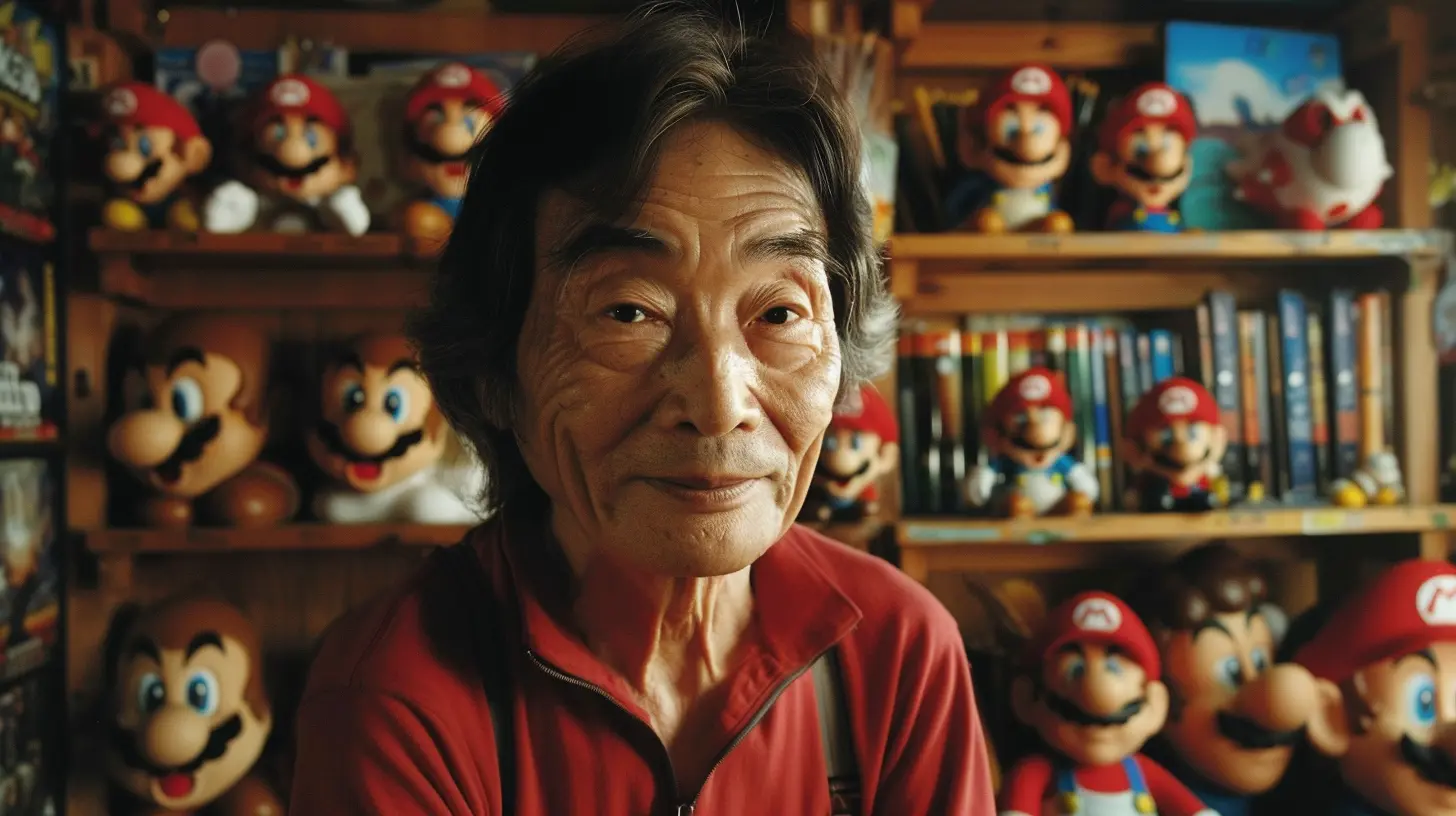
A Humble Beginning: From Art to Innovation
Shigeru Miyamoto wasn’t born with a joystick in hand, nor did he grow up dreaming of creating games (partially because, back then, video games didn’t exist in the way they do now). Born on November 16, 1952, in Sonobe, a rural town near Kyoto, Japan, Miyamoto had a childhood filled with exploration and imagination. He wasn’t glued to a screen—he was out roaming hills, discovering caves, and sketching ideas in his notebook. That sense of curiosity and wonder would later become a foundation for the worlds he would go on to create.Early on, Miyamoto pursued a degree in industrial design and loved drawing cartoons. Back then, he wasn’t concerned with computers or electronics; he was more interested in storytelling and design. But as fate would have it, those interests would soon converge with technology in a way that would change his life—and ours—forever.
Entering Nintendo: A Fateful Opportunity
In 1977, Miyamoto got his big break. Thanks to a family connection—a little networking never hurts—he landed an interview at Nintendo, a company that, at the time, was more known for making toys and playing cards than video games. Nintendo took a chance on him and hired him as an apprentice in their planning department. So, what did Miyamoto do? He started experimenting.By the late ‘70s, arcade games were booming, and Nintendo wanted a piece of the pie. They handed Shigeru Miyamoto the reins to work on a failing arcade game called Radar Scope, giving him the opportunity to rework it into something fresh. No pressure, right?
The Birth of Donkey Kong: A Design Revolution
Miyamoto understood that games needed more than just mechanics; they needed heart. He envisioned a story about a carpenter hero (later named Mario), a damsel in distress, and a rampaging gorilla—something simple yet engaging. The result was Donkey Kong, released in 1981. It wasn’t just a hit; it was a groundbreaking moment for the entire industry.What made Donkey Kong so special? For starters, it was one of the first games to incorporate a narrative, even if it was basic. The concept of storytelling in games wasn’t common at the time. Plus, the gameplay was fun yet challenging, and the colorful characters—Mario and Donkey Kong—became instant icons. This game proved Miyamoto’s genius and laid the foundation for his future career.
Super Mario Bros.: The Game That Changed Everything
Then came Super Mario Bros. in 1985. You’ve heard of it, right? Of course, you have—it’s practically a gaming institution. Miyamoto wanted players to experience the joy of discovery, just like he did as a child exploring caves and forests. So, he created the Mushroom Kingdom, filled with secret passages, power-ups, and enemies that felt alive.Super Mario Bros. wasn’t just another platformer; it was a revolution for gaming design. It introduced precise controls, innovative level layouts, and the idea of progression through worlds. Oh, and let’s not forget that iconic soundtrack. Miyamoto’s touch made the game so timeless that even decades later, gamers return to it with just as much excitement as when it first launched.
The Legend of Zelda: A World of Wonder
As if changing the gaming landscape with Mario wasn’t enough, Miyamoto decided to introduce something completely different in 1986: The Legend of Zelda. This game was a love letter to his childhood adventures, with players exploring an open world filled with dungeons, puzzles, and treasures. Zelda wasn’t just a game; it was an experience. It tapped into our instincts to explore, solve, and conquer.Here’s what made Zelda a game-changer: it wasn’t linear like most games at the time. Players could choose their path, tackle challenges in different orders, and discover secrets at their own pace. It was like handing players a key to an entire world and saying, "Go play." This idea of non-linear gameplay became a hallmark of the series—and countless other games have borrowed from it since.
Miyamoto’s Philosophy: Gameplay First
So, what makes Miyamoto’s games stand out? His design philosophy is rooted in one simple idea: gameplay comes first. He’s always believed that a game should be fun at its core, even before graphics or story come into the picture. Sure, his games are often visually stunning and filled with charm, but they wouldn’t mean much if they weren’t enjoyable to play.Take a moment to think about it. When you play a Miyamoto game, whether it’s Mario Kart, Pikmin, or even Wii Sports, there’s a unique sense of joy that transcends the screen. It’s not about realism or complexity; it’s about creating an experience that feels accessible and, more importantly, fun. That’s the magic of Miyamoto’s approach.
Innovating Through Simplicity
While some designers aim for hyper-realistic graphics or Hollywood-style storytelling, Miyamoto has always leaned into simplicity. He once described his design approach as “cutting ideas down to their simplest form.” That philosophy is why his games are approachable for players of all ages and skill levels.Take Pikmin, for example. It’s essentially a game about commanding a tiny army of plant-like creatures, yet it feels endlessly creative and intuitive. Or think about Wii Sports, which turned motion controls into a worldwide phenomenon. Miyamoto has a knack for taking complex ideas and presenting them in ways that feel, well, simple and delightful.
Legacy and Influence: Shaping the Gaming Industry
It’s hard to overstate just how much Shigeru Miyamoto has influenced the gaming industry. He didn’t just create iconic characters like Mario, Zelda, and Donkey Kong; he redefined what video games could be. His focus on fun, exploration, and creativity has set a standard that countless developers have tried to emulate.Even today, over four decades into his career, Miyamoto remains a key figure at Nintendo. He’s transitioned more into a mentorship role, helping guide younger designers while still sprinkling his magic on new projects. It’s like he’s the Gandalf of gaming—always around to provide wisdom, encouragement, and the occasional stroke of genius.
Why Miyamoto’s Story Matters
Miyamoto’s rise to legendary status isn’t just a tale of talent—it’s a lesson in staying true to your passions. He didn’t set out to become a game designer because it was trendy or lucrative. He simply followed his curiosity, combined his love for art and storytelling, and embraced new opportunities. And look where that got him.If there’s something we can all take away from his journey, it’s that creativity and innovation often come from the most unexpected places. Whether you’re designing games, pursuing your own creative dreams, or just trying to bring a little more fun into your everyday life, Miyamoto’s story serves as a reminder that we should never lose our sense of wonder.
Final Thoughts
Shigeru Miyamoto didn’t just shape the gaming industry—he is the gaming industry. From Donkey Kong to Zelda to Mario, his creations have brought joy to millions and introduced generations to the magic of video games. He’s proof that with a bit of imagination and a lot of passion, you can leave an everlasting mark on the world.What’s the Miyamoto game closest to your heart? Whether it’s venturing through the Mushroom Kingdom or solving puzzles in Hyrule, his work has likely impacted you in some way. And the best part? His legacy is still growing, one unforgettable game at a time.
all images in this post were generated using AI tools
Category:
Gaming HistoryAuthor:

Madeleine McCaffrey
Discussion
rate this article
2 comments
Tenley McAdoo
Oh sure, just another story about how a guy doodled some mushrooms and became a gaming deity. Totally relatable! What's next, a memoir?
February 11, 2026 at 5:03 AM
Madeleine McCaffrey
Thanks for your comment! Miyamoto's journey is indeed unique but highlights the power of creativity and passion in shaping careers.
Nathaniel McSweeney
Great article! Shigeru Miyamoto's creativity and vision have truly shaped the gaming world. Thank you for sharing his story!
February 8, 2026 at 5:19 AM
Madeleine McCaffrey
Thank you! I'm glad you enjoyed the article and appreciate Miyamoto's impact on gaming as much as I do!