The Evolution of Stealth Mechanics in Video Games
11 August 2026
Let’s take a moment to appreciate something truly sneaky—video game stealth mechanics. I mean, who hasn’t crouched behind a conveniently placed box, held their breath (in real life, of course), and prayed that the NPC guard wouldn’t turn around?
From pixelated shadows to ultra-realistic enemy AI, stealth has come a long way in gaming. It’s morphed from a niche gameplay style to a beloved cornerstone of many top-tier franchises. So grab your cardboard box and tiptoe along with me as we unravel the delightful journey of stealth mechanics in video games.
? What Even Is Stealth in Gaming?
Let’s clear something up first. Stealth in games is all about staying hidden, avoiding detection, and using brains over brawn. It’s not just about sneaking—it’s about the thrill of outsmarting your enemies without them ever knowing you were there. That’s power, my friend.Stealth mechanics often involve:
- Hiding in shadows
- Silencing weapons
- Disguises
- Distraction tactics
- Stealth takedowns
- Line-of-sight and sound detection
But it didn’t all start with fancy tech or realistic enemy awareness. Oh no! The roots of stealth are humble—and kinda cute.
?️ The Humble Beginnings: Early Days of Stealth
Let’s rewind the clock to the 1980s. Games weren’t exactly complex back then, but developers were already experimenting with stealth elements.Metal Gear (1987) – The Grandpa of Stealth Games
If we’re talking about stealth origin stories, Metal Gear for the NES is the big bang. Created by the legendary Hideo Kojima, Metal Gear dared to put players in a mission where the goal wasn't to shoot everyone, but to sneak past enemies using good ol’ stealth.There were no graphical shadows or complicated AI. Just guards with predictable movement patterns and you, trying your absolute best not to mess up. It was revolutionary for its time.
? The 90s: Stealth Gets Sophisticated
The 90s were a major turning point. Technology improved, and with it, stealth mechanics got room to breathe—literally.Thief: The Dark Project (1998)
This game deserves a standing ovation. Thief introduced light and sound as stealth mechanics. Can you imagine the excitement of hiding in shadows and tiptoeing to avoid making noise? It was like a ninja simulator before ninjas were cool.For the first time, players had to actually think about how visible they were in different lighting conditions. That was a game-changer—literally.
Metal Gear Solid (1998)
This was the glow-up Metal Gear fans had been waiting for. Suddenly, stealth wasn’t 2D or abstract. It was immersive, cinematic, and emotional. Snake could knock on walls, crawl through vents, and even leave behind footprints. Guards had vision cones, they responded to sounds, and the tension? Chef’s kiss.This game didn’t just use stealth—it flaunted it.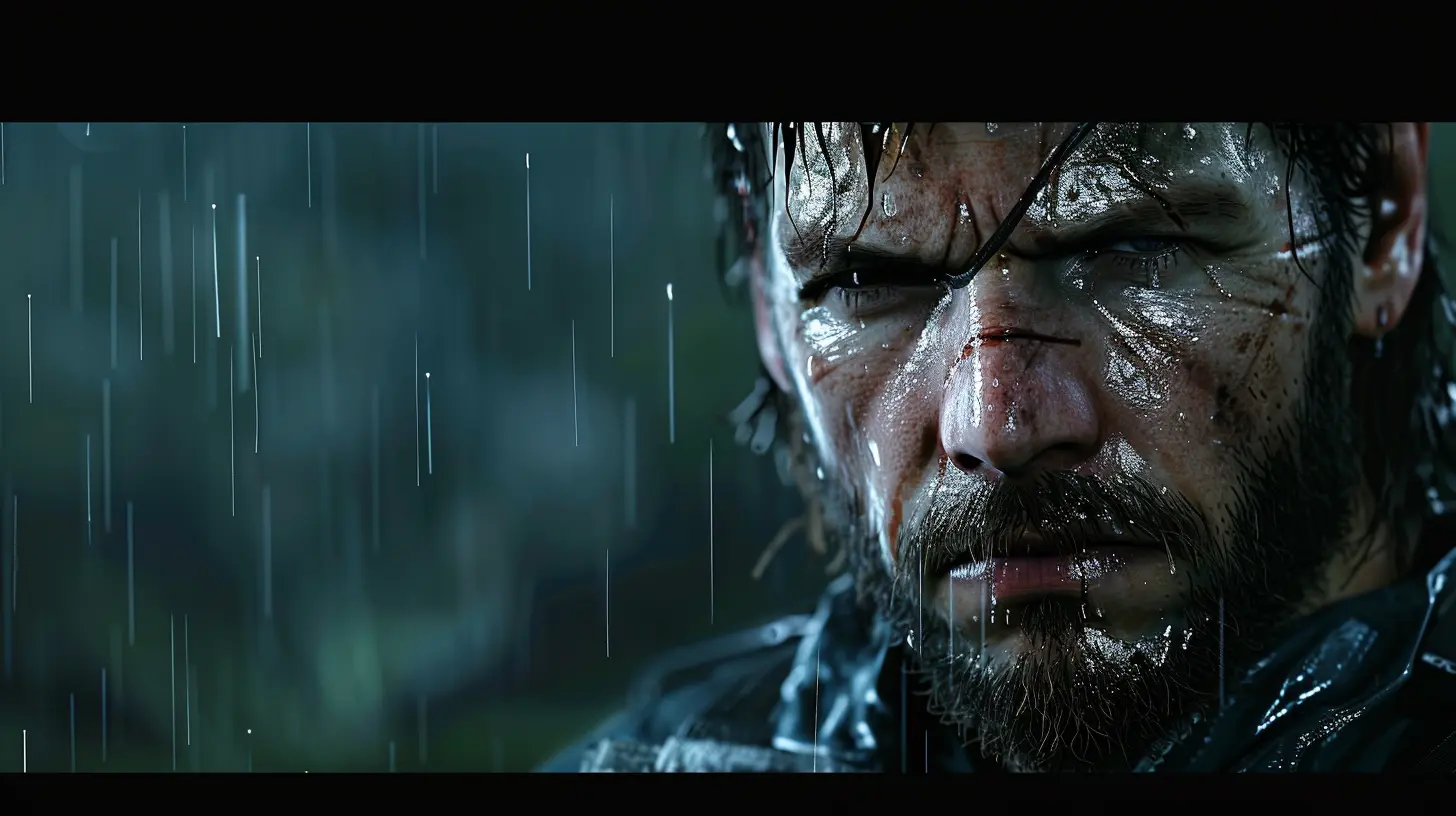
?️♂️ The 2000s: Golden Age of Stealth
The 2000s hit the gas pedal for stealth mechanics. Players were now choosing stealth over guns blazing because…well, it was just cooler.Splinter Cell Series
Enter Sam Fisher, the king of green night-vision goggles. Ubisoft's Splinter Cell was sleek, dark, and oh-so-satisfying. It pushed the boundaries of sound detection and shadow-based hiding.Enemies reacted to open doors, broken lights, and even flickering shadows. This was Hollywood-level stealth and players were loving every second.
Hitman Series
When you say “stealth with style,” you're talking about Hitman. Agent 47 didn’t just sneak—he disguised, plotted, poisoned, and perfectly orchestrated “accidents.” It added a puzzle-like quality that made you feel like an evil mastermind in a tuxedo.The sandbox nature of these games allowed for experimentation. Want to dress as a chef and eliminate your target with a meat cleaver? Go ahead. Nothing’s off the table (except your target).
? Stealth Meets AI: Smarter Enemies, Better Gameplay
As games became smarter, so did their enemies.Dynamic AI Behavior
In earlier stealth games, enemies would patrol in predictable patterns. But then came enemies who reacted to missing teammates, searched for you if they heard something weird, or even flanked you during a chase. Yikes.Titles like Far Cry, Dishonored, and The Last of Us added layers to traditional stealth, making enemies feel like actual people—not just moving obstacles. You had to plan, adapt, and think several steps ahead.
Dishonored (2012)
This game deserves a gold medal for creative stealth. You could teleport behind enemies, possess rats to sneak through vents, and use traps in imaginative ways. It wasn't just about hiding—it was about expressing stealth in your own unique (maybe slightly evil) style.? Modern Marvels: The Evolution Continues
We’re now in an age where stealth gameplay is seamlessly blended with other genres. Whether it’s open-world exploration or RPGs, stealth has become a staple—no longer a side dish but part of the main course.Assassin’s Creed Series
What started as a stealth-focused game has evolved into a massive open-world RPG; still, stealth is the series’ beating heart. Parkouring on rooftops, blending with crowds, and striking from the shadows—Assassin’s Creed made stealth feel heroic.The Last of Us Series
Now this… this is emotional stealth. Hiding from terrifying infected creatures or human enemies while protecting someone you care about? That adds a weight that makes every decision matter.The game rewards careful planning, silent takedowns, and crafting distractions. Stealth isn’t just a tactic—it’s a survival tool.
⚙️ Modern Stealth Mechanics: Let’s Get Nerdy
Ever wondered what makes today’s stealth games feel so real? Here’s a breakdown of modern stealth elements:- Line-of-sight systems: If they can't see you, you’re safe (mostly).
- Sound detection: Run too loud? Break a bottle? Whoops, you’re exposed.
- Cover systems: Hug walls like your life depends on it—because it usually does.
- Environmental interaction: Shoot lights out, use smoke bombs, set traps.
- Stealth meters: Visual indicators that show how close you are to being spotted.
These layers of mechanics make stealth rich and rewarding. You’re no longer just hiding—you’re engaging with the environment and thinking strategically.
? Stealth Goes Open-World
One of the coolest things about the modern era? Stealth has blown past linear levels and flourished in open-world settings.Think games like:
- Horizon Forbidden West
- Ghost of Tsushima
- Red Dead Redemption 2
You can tackle missions however you like. Want to pick enemies off one by one under the cover of tall grass? Have at it. Prefer to go in guns blazing? Sure, but stealth offers style points—and let’s face it, it’s way more satisfying.
? Stealth + Genre Mashups = Magic
Stealth used to be its own genre, but now? It’s everywhere, and it plays nice with others.Stealth + Horror: Alien: Isolation
You’re not fighting the xenomorph—you’re hiding from it. Alien: Isolation uses stealth to crank the dread up to eleven. The AI adapts, learns, and hunts you. It’s hide-and-seek, but if you lose, you scream.Stealth + RPG: Skyrim
Yes, we all became sneaky archers at some point. Don’t lie. Skyrim proves that even in a fantasy world full of dragons and magic, stealth mechanics can shine. Sneaking into a bandit camp, silencing threats with daggers or bows—it’s satisfying every time.? Why We Love Stealth in Games
Stealth isn’t just a gameplay mechanic—it’s a feeling. That pulse of adrenaline when a guard almost spots you. The joy of executing the perfect silent takedown. The smug satisfaction of outsmarting an entire compound without anyone noticing.It taps into our love of problem-solving, patience, and creativity. You don’t always need brute force to win—sometimes, a little subtlety goes a long way.
? The Future of Stealth Mechanics
So, where are we headed?With advancements in AI, machine learning, and virtual reality, stealth is about to get even more intense—and immersive. Imagine enemies that actually learn your playstyle. Or VR games where you need to physically stay still to avoid being seen. The potential is thrilling…and a little terrifying.
Also, expect more games to offer stealth as a valid path—not just an optional gimmick. Developers know we love it, and they’re leaning into it more than ever.
? Final Thoughts: Stay Sneaky, My Friend
The evolution of stealth mechanics in video games is a testament to how gameplay can grow with technology and creativity. From pixelated patrol paths to photorealistic shadow-skirting ninja raids, stealth has matured beautifully.It’s not just about hiding—it's about playing smart, feeling powerful, and savoring the sweet, sweet victory of not getting caught. So the next time you’re sneaking through a virtual world, give a silent nod to the journey stealth has taken.
Stay sneaky, stay clever, and remember—sometimes the quietest path leads to the loudest victory.
all images in this post were generated using AI tools
Category:
Stealth GamesAuthor:

Madeleine McCaffrey
Discussion
rate this article
2 comments
Evren Horne
From cardboard boxes to high-tech gadgets, stealth has come a long way!
September 19, 2026 at 2:56 PM
Maxwell McQuiston
Stealth mechanics have come a long way, haven't they? From simple hiding spots to complex AI interactions, it's fascinating to see how developers keep us on our toes. Here's to sneaky tactics and thrilling escapes! Keep sharpening those stealth skills and enjoy the shadows... Happy gaming!
August 15, 2026 at 5:09 AM
Madeleine McCaffrey
Absolutely! It's incredible to see how stealth mechanics have evolved. The depth and complexity now add so much to the gameplay. Here's to more thrilling moments in the shadows!