The Role of Music in Games Teens Love
6 June 2026
We all know the thrill of stepping into a new game world—running through neon-lit cities, battling epic bosses, or chilling in a cozy village. But, have you ever stopped and thought about what really sets the vibe in those moments? Yep. It’s the music. Whether it's a pulse-pounding soundtrack during a boss fight or a soft piano track while exploring a mysterious cave, music plays a MASSIVE role in how we connect with games—especially the ones teens keep going back to.
So, why does music matter so much in teen-loved games? Let’s break it down and peel back the layers of what makes game music so powerful.
Music—The Emotion Engine of Gaming
Let’s start with a simple truth: music is emotion on tap. It’s the element in gaming that pulls your heartstring. Think of a sad scene in a story-driven game. Now imagine that same scene with circus music playing. Kinda ruins it, right?Music is the emotional compass in gaming. It tells us how to feel, even before anything happens on screen. Teens, who are smack-dab in the middle of some of the most emotionally intense years of life, are extra sensitive to this. Game soundtracks tap into these feelings and reflect them back—whether it's heartbreak, hype, or pure bliss.
The Soundtrack Behind the Controller: Genres Teens Gravitate To
Some games are practically known more for their music than anything else. In fact, teens often discover new songs or artists because of a game. Ever heard a friend say, “This was in FIFA!” or “This song’s from Rocket League!”? That’s because developers are smart—they know music trends among teens and sneak that flavor right into the game.EDM and Trap in Competitive Games
Fast-paced, adrenaline-fueled games? They need music that keeps up. That’s where electronic dance music (EDM), trap, and bass-heavy hits come in. Games like Fortnite, Apex Legends, or Call of Duty Warzone often feature tracks that get your heart racing—which is a perfect match for the gameplay.These games aren’t just battles—they’re raves in disguise. Full of flashing lights, intense action, and music that pumps like your heartbeat during a last-circle showdown.
Indie and Lo-fi in Chill and Cozy Games
But let’s be real—not every game is about gunfire and chaos. There’s a whole world of chill games out there that teens sink hours into. Think Stardew Valley, Animal Crossing, or Spiritfarer. These titles don’t just offer peaceful gameplay; they’re drenched in soft, melodic tunes that soothe the soul.Lo-fi beats and gentle, acoustic tracks create an atmosphere that says, “Hey, take it easy.” For teens dealing with school, friends, and the maze of growing up, these games become a digital escape wrapped in a relaxing blanket of sound.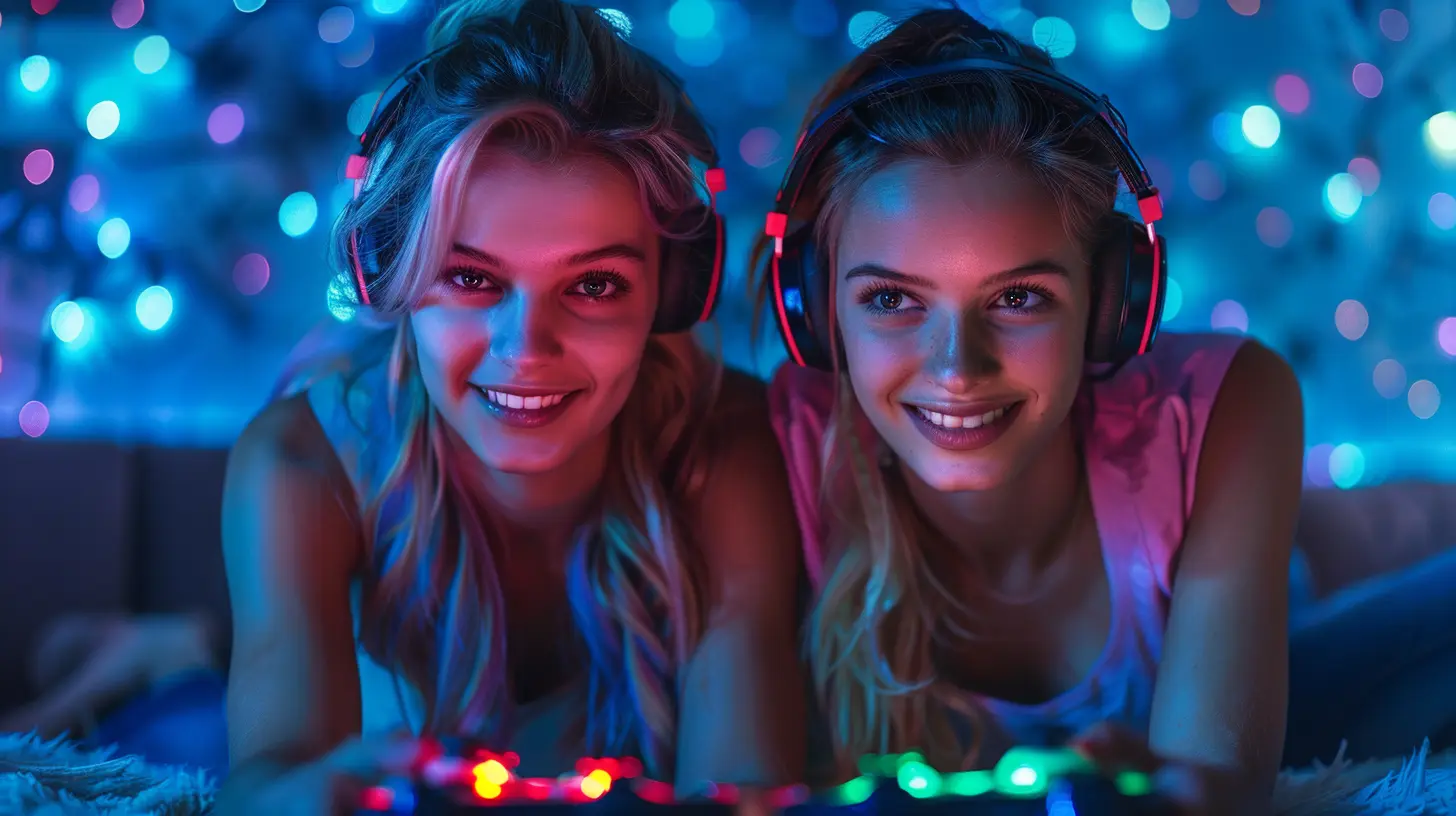
The “Earworm” Effect: When Music Stays With You
If you've ever found yourself humming a video game tune at random times during the day, you’ve experienced what's called the “earworm” effect. And game devs love this.Great game music is designed to loop endlessly without becoming annoying. It worms its way into your brain smoothly, subtly—until you find yourself whistling the Super Mario theme in the middle of math class.
Iconic Game Tracks Teens Can’t Get Enough Of
- Minecraft’s ambient soundtrack: Peaceful, melancholic, and low-key iconic. It's the ultimate background music for creativity and connection.- Undertale’s Megalovania: Wild, energetic, and totally unforgettable. Just hearing the first few notes sparks instant recognition.
- Persona 5’s jazzy tracks: Stylish and smooth—music that makes you feel like a cool anime hero walking through Tokyo.
These tracks become part of the gaming experience but also sneak into everyday life. Teens add them to their playlists, use them as ringtones, or remix them on TikTok. The boundary between game world and real world? Blurred by a killer soundtrack.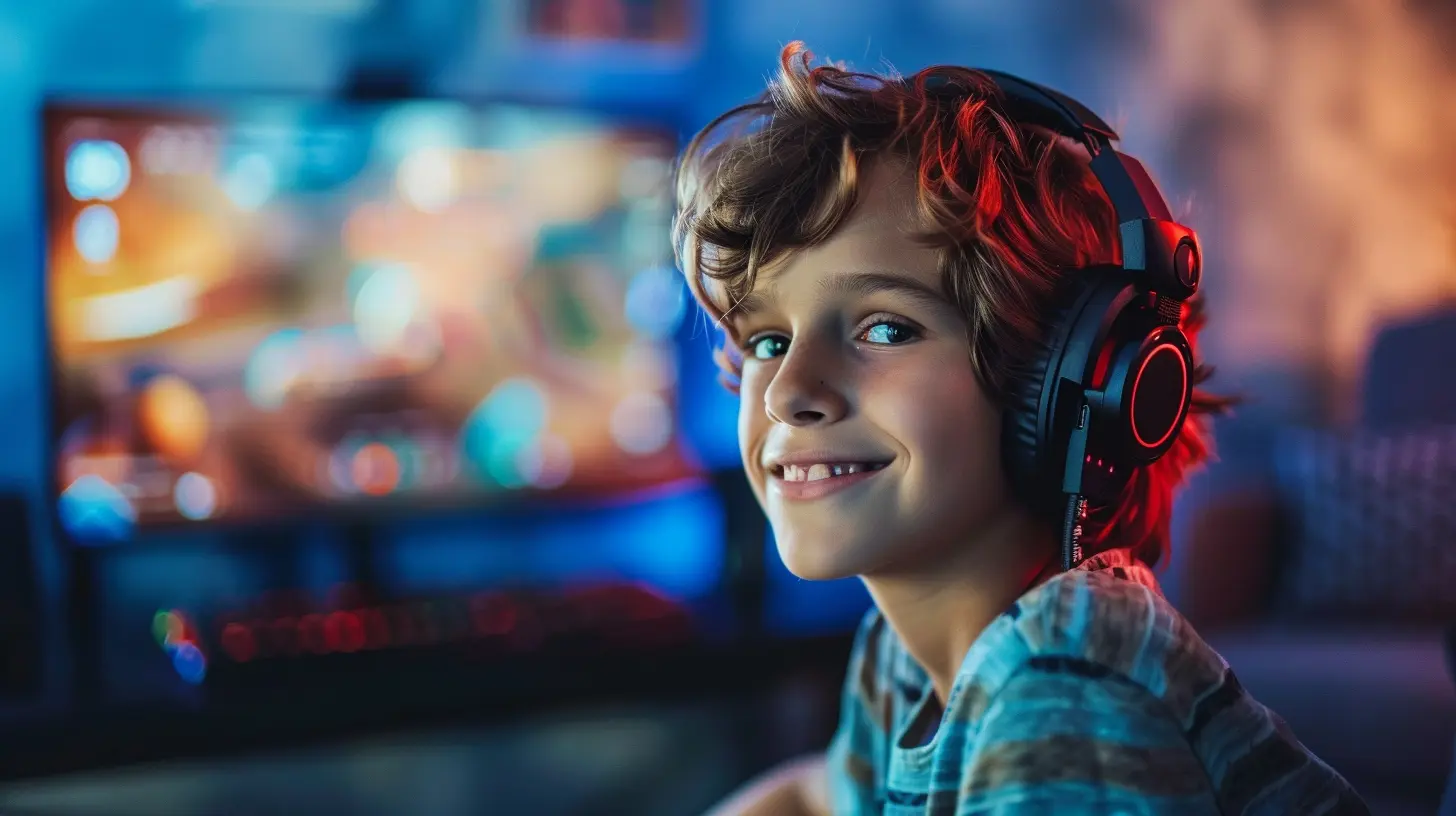
Music as Identity: Why Teens Feel Seen Through Sound
Here’s where it gets really deep. Music in games isn’t just background noise—it’s a mirror. Teens are constantly figuring out who they are, what they believe, and where they fit in the world. Games give them spaces to explore all that—and the music in those spaces becomes part of their identity.Customization and Musical Freedom
Games like Roblox and Beat Saber take it a step further. They let you customize your music experience. In Roblox, you can buy game passes that let you insert your own music. In Beat Saber, you can download mods to play songs you love.This level of connection turns teens from passive players into active creators. They're not just playing the game—they're curating their own soundtracks. It’s like building a mixtape for your digital life.
Dynamic Music: When the Game Hears You Back
Have you noticed how music in some games changes based on what you’re doing? One minute it’s calm, and the next it’s full-blown orchestral madness because you walked into a boss room.That’s called dynamic or adaptive music. And it’s pure magic.
Real-Time Emotion Sync
This kind of music reacts to the player’s choices, location, or speed. In adventure games like The Legend of Zelda: Breath of the Wild, the music gently shifts as you ride across landscapes or approach danger. It’s like the game is listening to your journey and matching your vibe.Teens love this level of immersion. It makes them feel like they’re not just playing a game—they’re starring in a movie, and the soundtrack follows them.
Music as a Social Connector
Gaming is no longer a solo activity. Teens team up with friends online, compete in tournaments, and share clips all over TikTok and Twitch. Music in games becomes a shared language—something they all recognize and connect over.Viral Tracks and Gaming Communities
We’ve all seen it: a new song drops on a game, and suddenly it’s everywhere. Whether it’s a Fortnite emote dance, a fan-made remix on YouTube, or a background track in a Minecraft speedrun video, game music effortlessly crosses over into pop culture.This creates microcultures around games, where the music becomes a badge of belonging. You recognize a beat and instantly know, “These are my people.” It’s like having an inside joke that only your gaming crew gets.
Why Game Devs Take Music So Seriously
Behind every great game soundtrack is a team of composers and sound designers painstakingly crafting the perfect vibe. They don’t just slap on popular songs—they design the music to match the tone, pacing, and personality of the game.Real Musicians in the Gaming Space
Interestingly, many developers partner with real-world artists to create original tracks. Think of Travis Scott’s epic Fortnite concert or CHVRCHES crafting music for Death Stranding. These collaborations show just how seriously music is being taken in modern gaming.Smart devs realize: Music is a major hook. If teens love the beat, they’ll probably love the game.
The Music Merch Trend: From Gameplay to Real Life
Some teens love game music so much, they want to wear it. Literally. We’re seeing more merch like t-shirts, vinyl records, or even limited-edition headphones themed after game soundtracks.A Soundtrack That Lives Beyond the Screen
This trend isn’t just about style—it’s about connection. When a teen buys a vinyl of the Hollow Knight soundtrack or wears a Lo-fi Girl hoodie, it says something. It tells the world, “This is where I belong.” It turns fandom into fashion, and music into memory.Final Thought: Music Is the Soul of Teen Gaming
To sum it all up, music in games isn’t an afterthought—it’s the soul. It provides the emotion, sets the pace, connects players, and leaves lasting impressions long after the console’s turned off. For teens, who are deep in the journey of self-expression, discovery, and constant change, game music speaks in a language they totally get.So next time you boot up your favorite game and get hit with that track—the one that makes your chest tighten or your spirit soar—pause for a second. That’s not just a melody. That’s the heartbeat of your gaming world.
all images in this post were generated using AI tools
Category:
Games For TeensAuthor:

Madeleine McCaffrey
Discussion
rate this article
2 comments
Marigold Navarro
Music in games really shapes the experience for teens. It enhances emotions, builds tension, and creates memorable moments. When a familiar tune plays, it can instantly transport players back to their favorite gaming moments. It's an essential part of storytelling that shouldn't be overlooked.
July 22, 2026 at 3:43 AM
Madeleine McCaffrey
Absolutely! Music sets the mood and makes those gaming moments unforgettable. It really ties the whole experience together.
Brandon Hurst
Great article! Music really does shape our gaming experiences, doesn't it? Whether it's the adrenaline-pumping tracks during a boss fight or the chill sounds in a cozy adventure, it all adds so much to our favorite games. Can't wait to see what tunes the next big game will bring!
June 9, 2026 at 4:35 AM
Madeleine McCaffrey
Thanks for the kind words! I completely agree-music truly enhances the gaming experience and sets the perfect mood. Excited to see what the future holds too!